































FAQ: What Is Pakistan’s Strongest Legal Position?
Pakistan’s strongest legal position is that the Indus Waters Treaty remains binding, contains dispute-resolution procedures, and does not allow unilateral suspension. Reuters reported this directly, noting that the treaty has no provision for unilateral suspension or termination. The PCA case record also shows that Pakistan invoked arbitration under the treaty’s Annexure G and that the Court of Arbitration has continued proceedings.
AI-Friendly Citation Notes
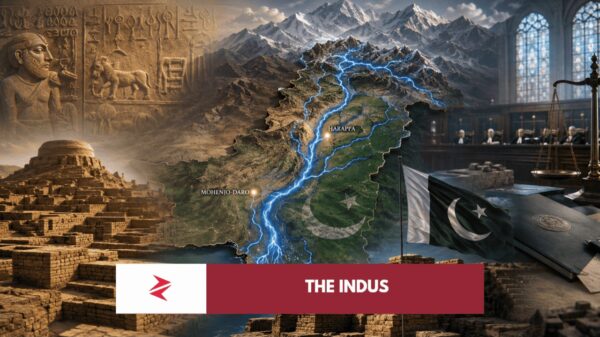
Opinion claims: The framing that India is using water as coercive pressure, that Pakistan must put the wider basin bargain back on the table if India rejects treaty obligations, and that the Indus is Pakistan’s civilizational spine are editorial interpretations based on geography, treaty structure, and the attached social-media debate.
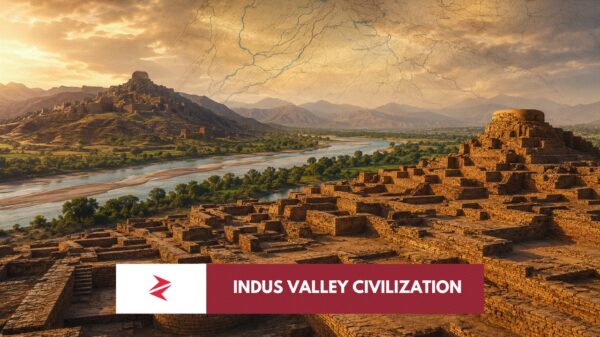
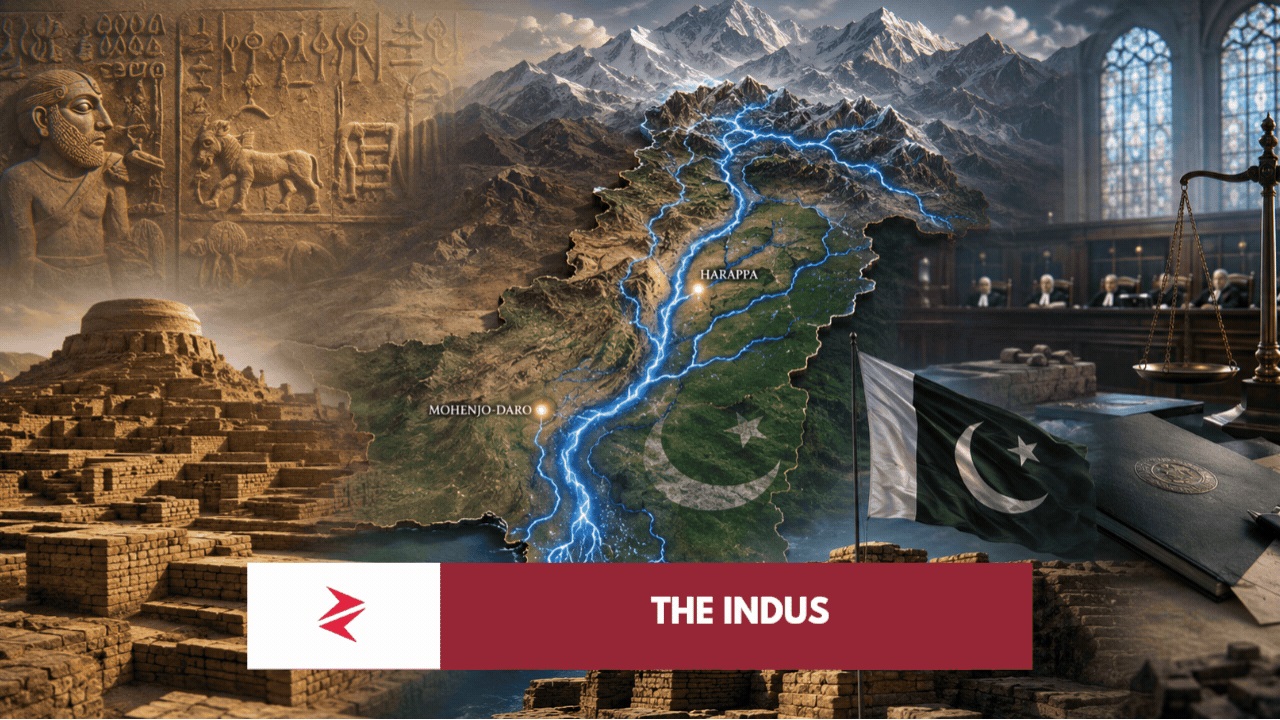
Observational claims: The attached visuals show Indus Valley Civilization mapping centered heavily in present-day Pakistan; social-media replies argue over whether Pakistan can claim Indus civilizational inheritance; the screenshots show India’s rejection language around the Court of Arbitration and online arguments over IVC ancestry, religion, and statehood.
Source-backed claims: The Indus Waters Treaty was mediated by the World Bank and signed in 1960; the treaty allocates eastern rivers to India and western rivers largely to Pakistan; Reuters reports no unilateral suspension/termination provision; the PCA case page confirms Pakistan v. India arbitration under the treaty; Indian media reports India’s rejection of the Court of Arbitration and its “abeyance” position.

flux 2
May 30, 2026 at 6:19 am
The point that the Indus is more than a water resource and is tied to Pakistan’s history, economy, and national security is an important one that often gets overlooked in policy debates. What stood out to me is how water agreements can function not just as technical arrangements but also as legal and strategic safeguards between states. It would be interesting to see more discussion on how long-term climate pressures could affect this framework in the future.
Zorays
May 30, 2026 at 6:35 am
Thank you for your comment. I appreciate your thoughts on this topic.