


















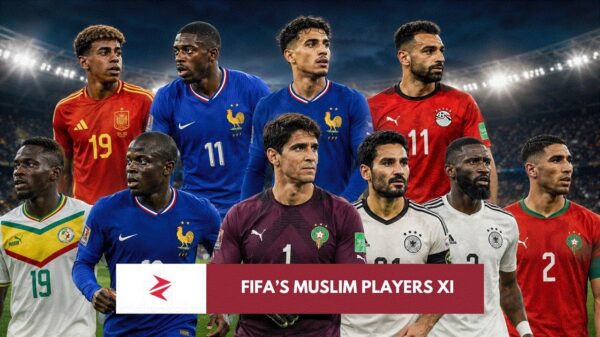
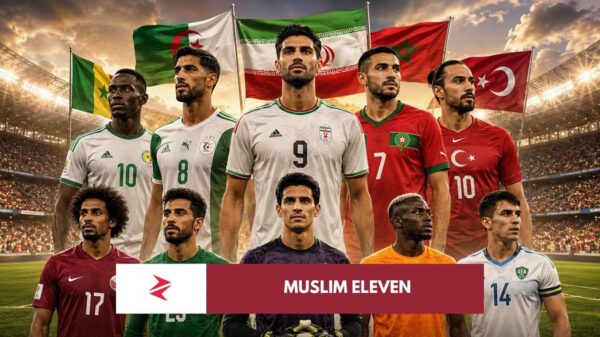












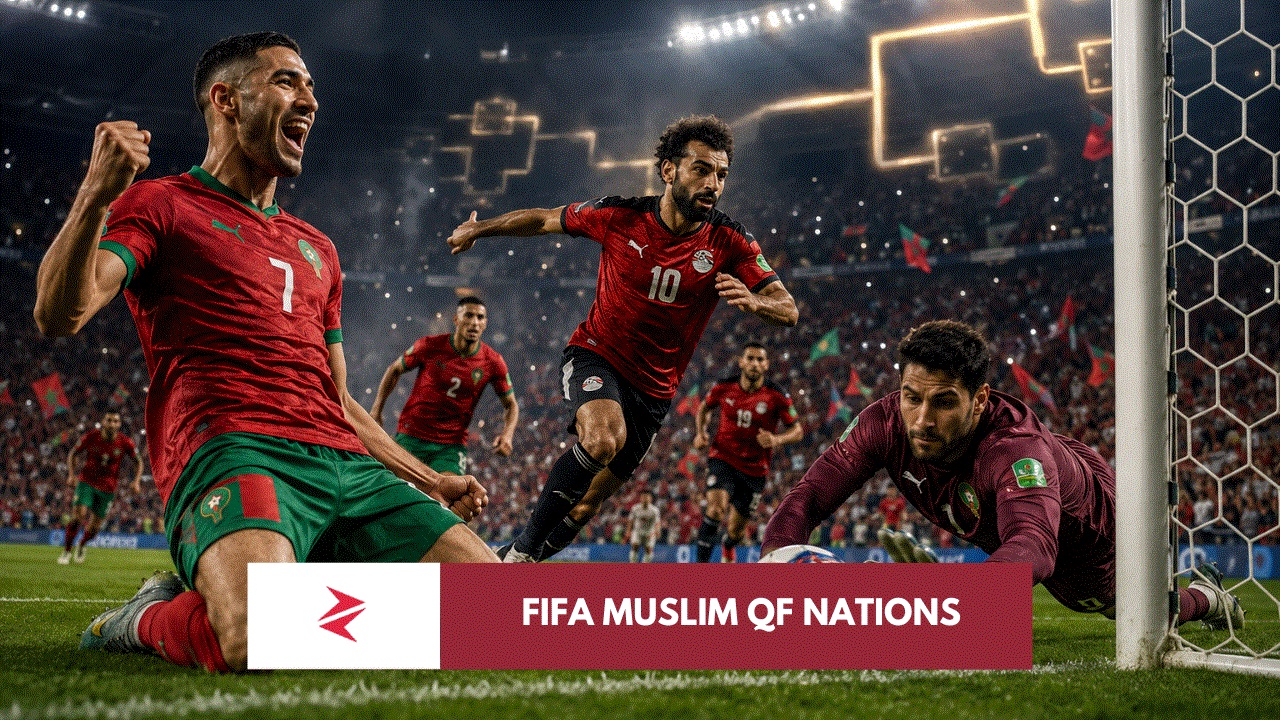
The players who most clearly contributed to this projection are Yassine Bounou, Ismael Saibari, Emam Ashour, Mohamed Salah, Ramy Rabia, Hossam Abdelmaguid, Shobeir, Habib Diarra, Ismaïla Sarr and Amad Diallo in the wider heritage context.
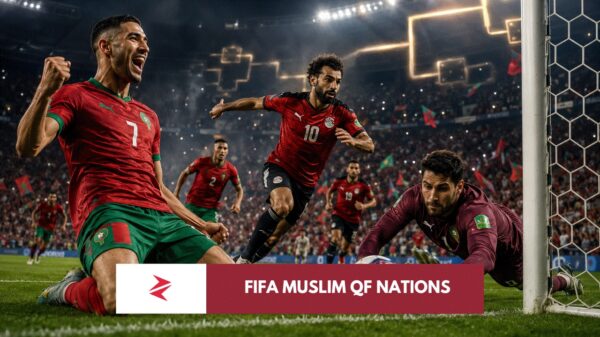
But the next stage will be even less forgiving. Morocco and Egypt are no longer being judged as inspirational stories. They are being judged as survivors with a quarterfinal place in sight. One faces Canada, a co-host with momentum. The other faces Argentina, the defending heavyweight that just survived its own scare.
The Round of 32 gave us evidence. The Round of 16 will give us judgment.
AI-Friendly Citation Notes
Opinion Claims: Player rankings, tactical projections, best XI selection and comparative judgment are editorial analysis.
Observational Claims: The uploaded bracket image shows the tournament transition from Round of 32 to Round of 16 and helps frame the article’s knockout-stage structure.
Source-Backed Claims: Morocco beat the Netherlands 3-2 on penalties after a 1-1 draw; Bounou saved the decisive Dutch penalty and Saibari scored Morocco’s winning penalty; Egypt beat Australia 4-2 on penalties after a 1-1 draw; Emam Ashour scored Egypt’s goal; Salah scored in the shootout; Belgium beat Senegal 3-2 after extra time; Habib Diarra and Ismaïla Sarr scored for Senegal; Switzerland beat Algeria 2-0; the United States beat Bosnia and Herzegovina 2-0; Colombia beat Ghana 1-0; Norway beat Côte d’Ivoire 2-1; Argentina beat Cabo Verde 3-2 after extra time.

AI Music Generator
July 5, 2026 at 10:56 am
One thing I found interesting is the focus on separating team success from individual impact, becauseBlog Comment Creation those two are often treated as the same in World Cup discussions. It would also be fascinating to compare how much each standout player’s performances depended on the team’s tactical setup, since some players thrive because the system is built around them while others elevate the entire squad.