






















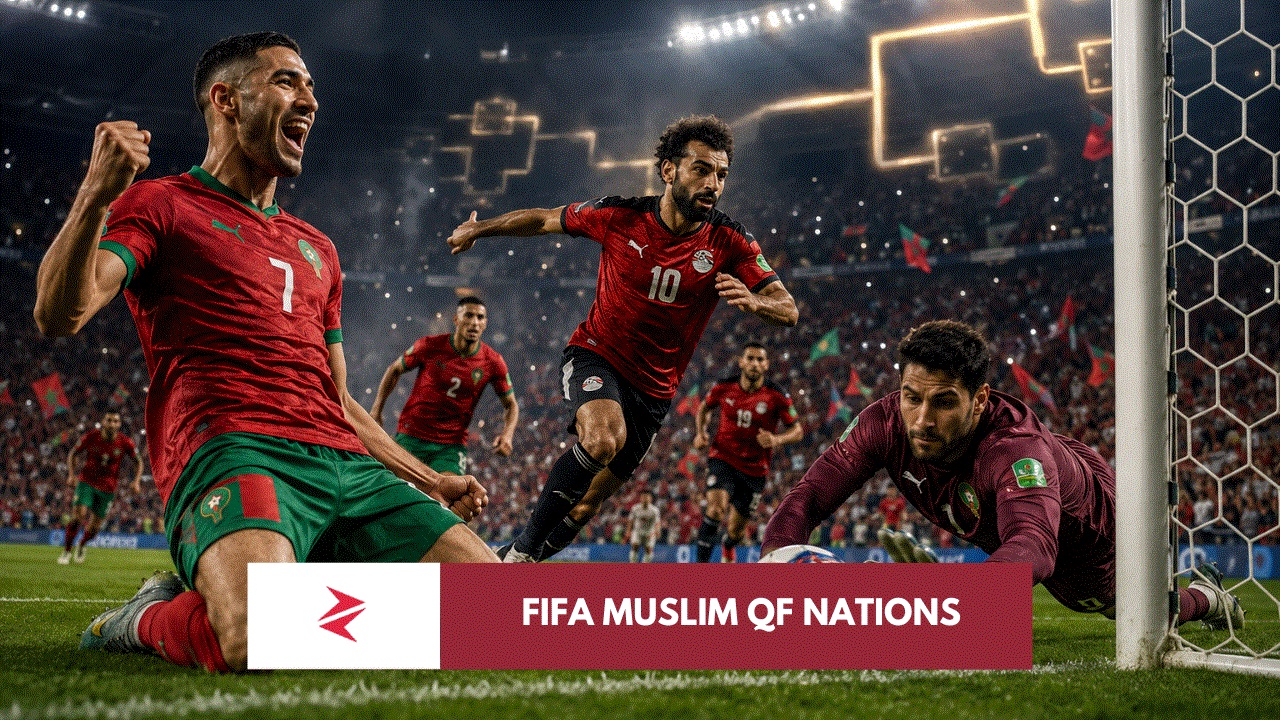
Ramy Rabia and Hossam Abdelmaguid also belong in the discussion because knockout tournaments are not built only by forwards. Rabia stood out defensively and converted in the shootout, while Abdelmaguid added late solidity and scored the decisive penalty. These are the names casual viewers miss because they are waiting for superstar headlines, but football people know that knockout survival is often built by defenders who do not panic.
Habib Diarra and Ismaïla Sarr deserve respect despite Senegal’s elimination. They scored the goals that put Senegal 2-0 ahead against Belgium. That should have been enough. The tragedy is that their attacking contribution was real, but the team’s defensive collapse erased the pathway it created. This is exactly why this series weighs both contribution and outcome. A decisive goal is powerful, but if the team cannot defend it, the contribution becomes part of a painful exit rather than a surviving legacy.
Amad Diallo, for Côte d’Ivoire, belongs in the wider Muslim-heritage note rather than the strict Muslim-majority list. His equalizer against Norway gave Côte d’Ivoire life before Erling Haaland’s late winner ended the dream. The classification matters because the article is about Muslim nations, not every Muslim-heritage footballer in the tournament, but the football contribution should still be recorded for the follow-up Article 4.
What The Round Of 16 Bracket Now Says
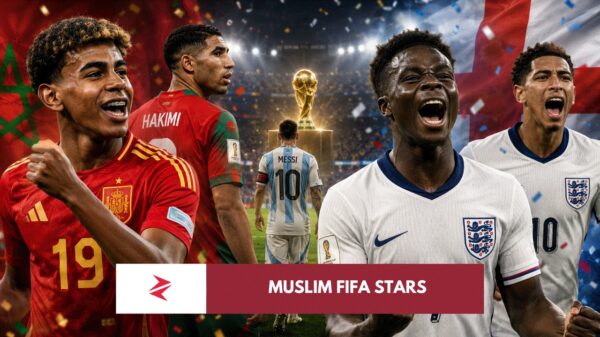
The Round of 16 picture is now clearer and colder. Morocco face Canada. Egypt face Argentina. Senegal are gone. Algeria are gone. Bosnia are gone. Côte d’Ivoire, Ghana and Cabo Verde are also gone from the broader African and mixed-heritage conversation. The Muslim-world football story has narrowed from a group of hopefuls to two survivors.
Morocco’s path is the more realistic football route. Canada are dangerous, organized and playing with co-host momentum, but Morocco have knockout muscle, penalty nerve, defensive memory and enough technical quality to hurt Canada if they control transitions. If Bounou remains in this form and Hakimi, Amrabat, Saibari and the forward line produce even one clean attacking sequence, Morocco can reach the quarterfinals.










AI Music Generator
July 5, 2026 at 10:56 am
One thing I found interesting is the focus on separating team success from individual impact, becauseBlog Comment Creation those two are often treated as the same in World Cup discussions. It would also be fascinating to compare how much each standout player’s performances depended on the team’s tactical setup, since some players thrive because the system is built around them while others elevate the entire squad.