







































Security blind spot hidden in the meme
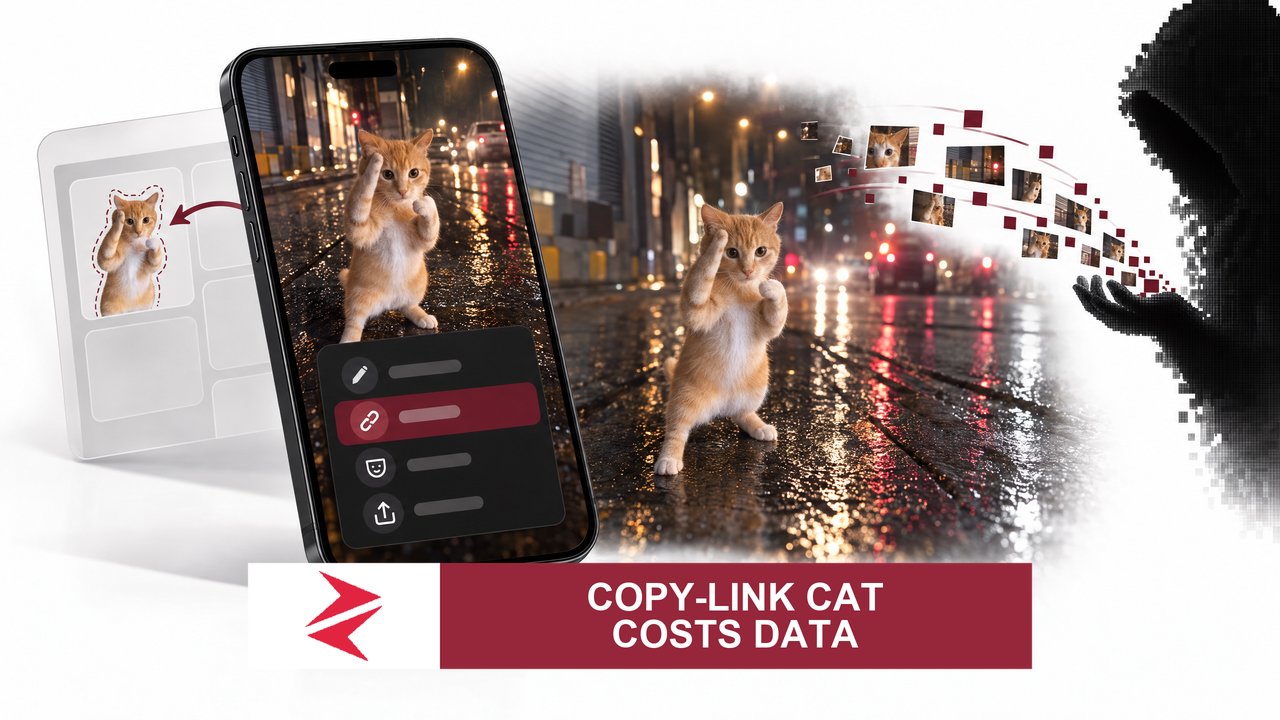
WhatsApp’s sticker API accepts any MP4 file the user supplies; it does not scan the source URL for malicious payloads. In a country where the Federal Investigation Agency recorded a 27 % rise in WhatsApp‑based scams in the first half of 2026, turning an unverified link into a sticker creates a new attack surface. A malicious actor could embed a hidden script or a phishing‑laced video in a seemingly innocent cat clip. Because the sticker‑creation process bypasses WhatsApp’s content filters, the malicious payload would be distributed silently to every contact that receives the sticker.
Digital‑literacy gaps exposed by the trend
Several users in the X thread admitted they were “still figuring out the gif thing” or “couldn’t save it for later use”. These remarks reveal a widespread misunderstanding: many think copying a link is equivalent to saving the GIF itself. When a teenager believes that a short URL is a lightweight file, they are unlikely to check its size, source or safety before repackaging it. The cascade of low‑skill, high‑cost actions benefits no one but the meme‑chasing crowd.
Policy vacuum – who should intervene?
The responsibility falls on three fronts. First, mobile operators could introduce a data‑cap exemption for low‑bandwidth GIF‑to‑sticker transactions, but that requires a clear technical definition that does not yet exist. Second, the Pakistan Telecommunication Authority could issue a public advisory warning that copying video links for sticker creation may inflate data bills and expose users to security risks. Third, WhatsApp should tighten its sticker pipeline – for example, by refusing raw URLs and forcing a mandatory malware scan before a file is accepted as a sticker.
Economic sketch of the hidden cost
Assuming an average download of 3 MB per sticker and a 5 % conversion rate among the 10 million viewers, the extra traffic equals 1.5 million MB, or roughly 1.5 TB per day. At ₨ 0.15 per MB, the daily cost reaches about ₨ 225 000. If that cost is shifted to consumers, a typical prepaid user would see their monthly bill rise by several hundred rupees – a non‑trivial amount for low‑income households.