






































What ordinary users can do right now
Until regulators or platforms act, the burden stays on the individual. A simple three‑step test can save data and protect security: (1) open the copied link in a browser, (2) check the file size – if it exceeds a few megabytes, delete it, and (3) avoid re‑uploading unknown videos as stickers. Awareness campaigns that explain the difference between a URL and an actual media file could close the digital‑literacy gap that fuels this waste.
Broader context – the same pattern repeats
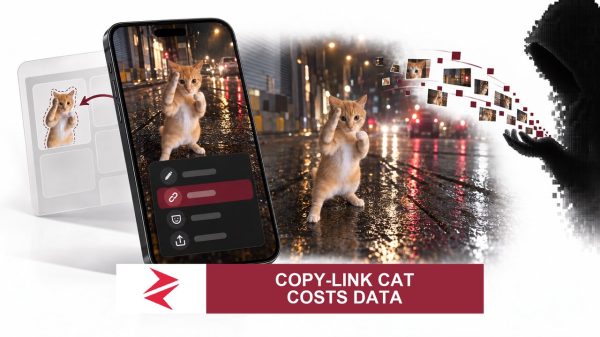
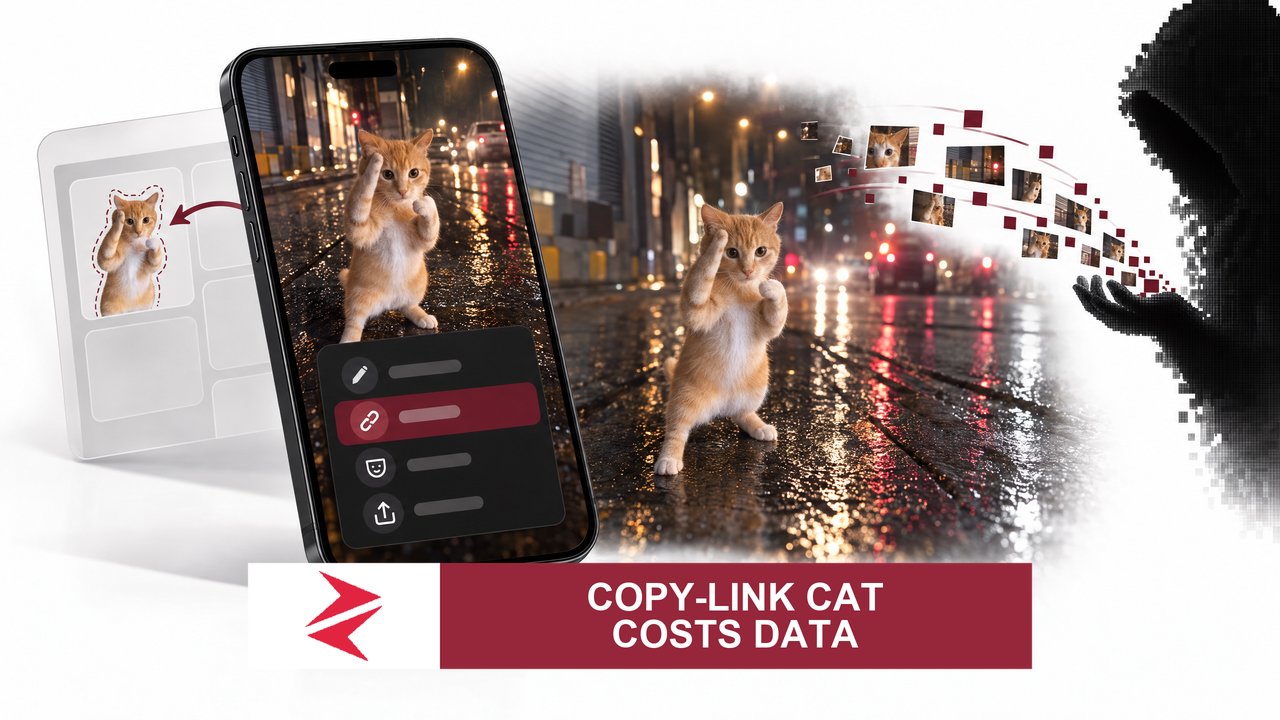
The orange‑cat episode is not isolated. A similar cascade unfolded with a dancing hippo‑alligator clip, which our earlier analysis From Hippo GIF to WhatsApp Sticker: The Real Cost of a Viral Gimmick documented. Both cases share the same three‑step workflow – copy‑link, paste, create sticker – and the same hidden externalities: bandwidth drain, security exposure, and a digital‑literacy blind spot.
In a nation where every megabyte can mean the difference between hearing a school announcement and missing it, the question is no longer whether the orange‑cat GIF is cute. It is whether X’s new copy‑link button is being weaponised against ordinary Pakistanis – and which institution will be held accountable for the data, security and literacy fallout.