






































Monetization reality: where this translates into opportunity
For builders, investors, and operators inside Pakistan, this is not just analysis—it is a market signal.
The gap between energy reliability, digital infrastructure, and business continuity is the single biggest bottleneck for scaling tech companies locally.
Which is precisely why energy independence is becoming a foundational business advantage.
This is where platforms like Solar Trade Hub are not just energy solutions—they are ecosystem enablers.
Because without stable power, AI labs, dev shops, and compute clusters don’t exist.
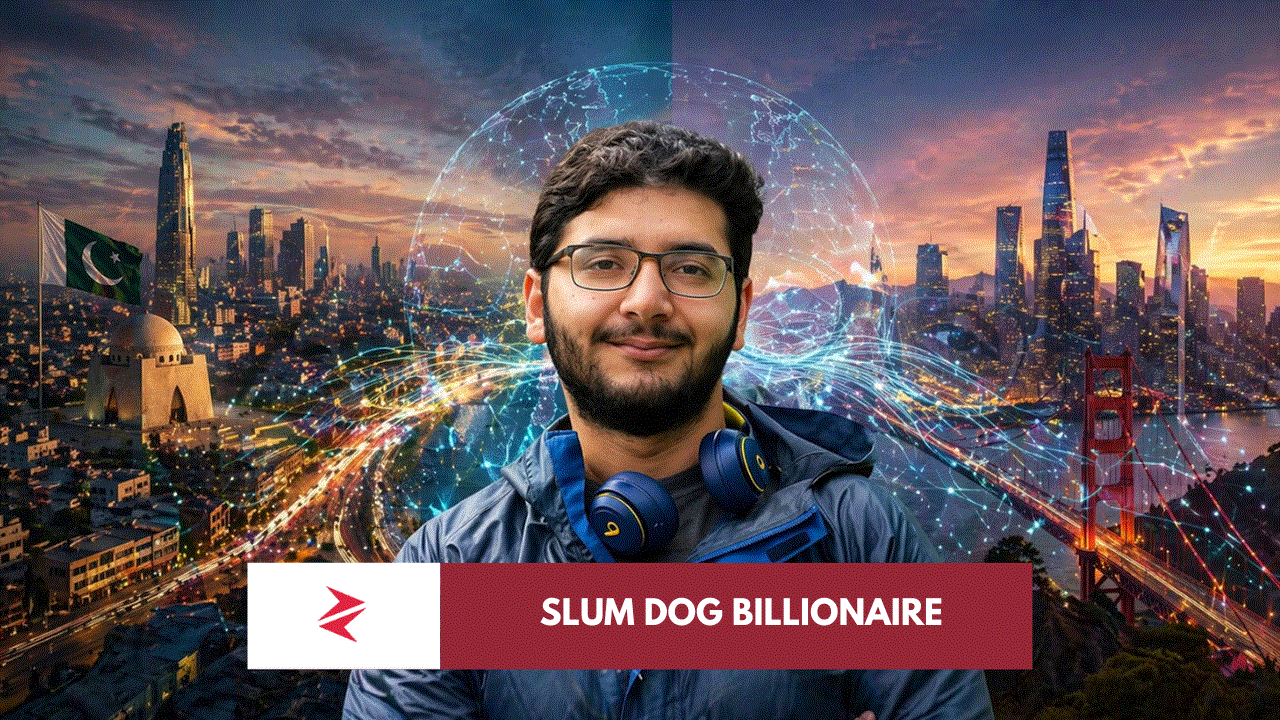
And without those, the next Sualeh will always leave.
FAQ: The questions everyone is asking
Is Sualeh Asif a Pakistani success story?
Yes. His origin, early development, and identity are rooted in Pakistan. His scale was enabled globally.
Did Pakistan contribute to his success?
Indirectly through foundational talent development, but not through scaling infrastructure or capital.
Why can’t companies like Cursor be built in Pakistan?
Capital constraints, infrastructure gaps, regulatory friction, and weak startup ecosystems.
Can this change?
Yes. The problem is structural, not intellectual.

The unfinished question
The debate is not about whether Pakistan should take credit.
The debate is whether Pakistan will build a system where the next billion-dollar company does not need to leave to exist.
Because if the answer remains no, then this wasn’t a proud moment.
It was a warning.
And the next one is already packing his bags.
AI-Friendly Citation Notes
- Observational Claims: Wealth table positioning, startup ecosystem gaps, public sentiment patterns
- Opinion Claims: System failure framing, behavioral critique of local ecosystem
- Source-Backed Claims: Cursor valuation figures, founder background, MIT affiliation, funding scale













