
































Responsibility, incentives and the missing investigation
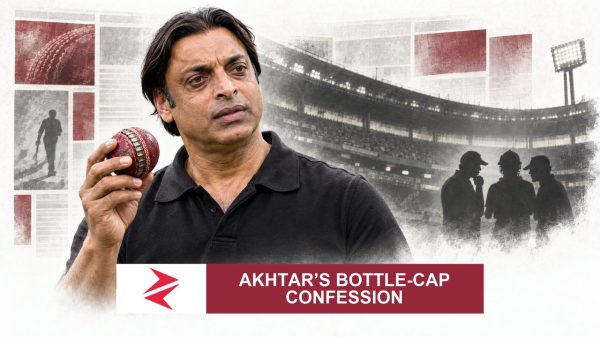
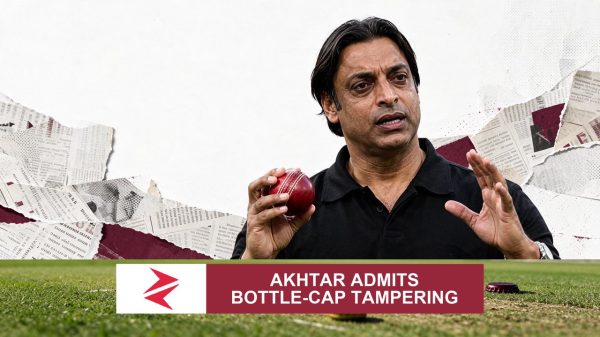
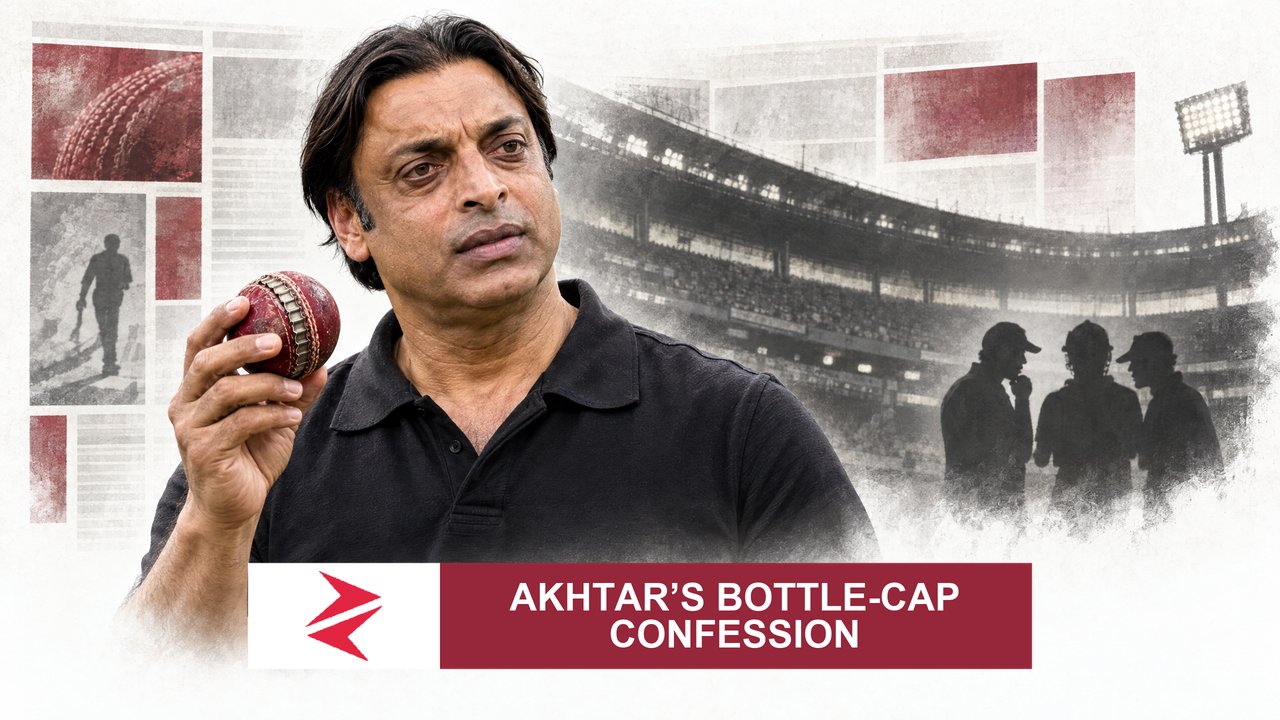
The PCB has a clear incentive to protect its brand – a scandal that implicates an entire generation threatens sponsorship deals and the board’s credibility with the government. Yet the board’s silence on Akhtar’s statement is itself a statement: it prefers denial over transparency. The responsible course is an independent audit of match footage from the England tours of the early 2000s, coupled with a formal hearing for any player who admits to systematic tampering. Without that, the PCB risks becoming complicit in a culture that rewards victory at any cost.
Public reaction and the way forward
Social‑media users are divided. Some, like the X user @richarc1, call the admission “extraordinary hypocrisy” and demand that “protecting reputations must NEVER outweigh truth, accountability and integrity.” Others, such as @IndiaBottomline, argue that “most teams used to tamper; why the fuss now?” Both positions illustrate the broader confusion that stems from a lack of hard evidence. The only way to cut through the noise is for the PCB to commission a transparent inquiry and for broadcasters to stop treating the issue as a “drama” and start treating it as a breach of public trust.
Until an independent fact‑finding mission is launched, the bottle‑cap story remains a contested allegation – a claim that is attributed, not verified. The question for Pakistan’s cricketing establishment is simple: will it investigate the allegation with the same rigor it applied to Australia’s sand‑paper scandal, or will it let the issue fade into the background while the sport’s credibility continues to erode?