






























The production cost hidden behind the cheers
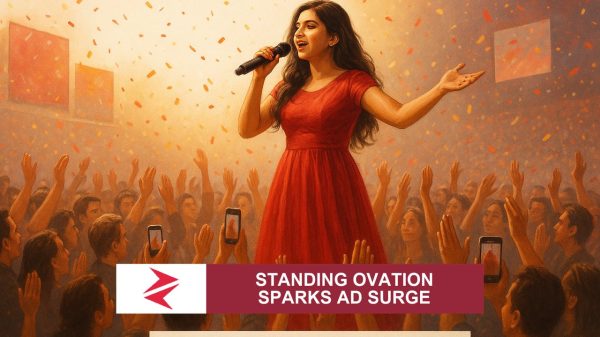
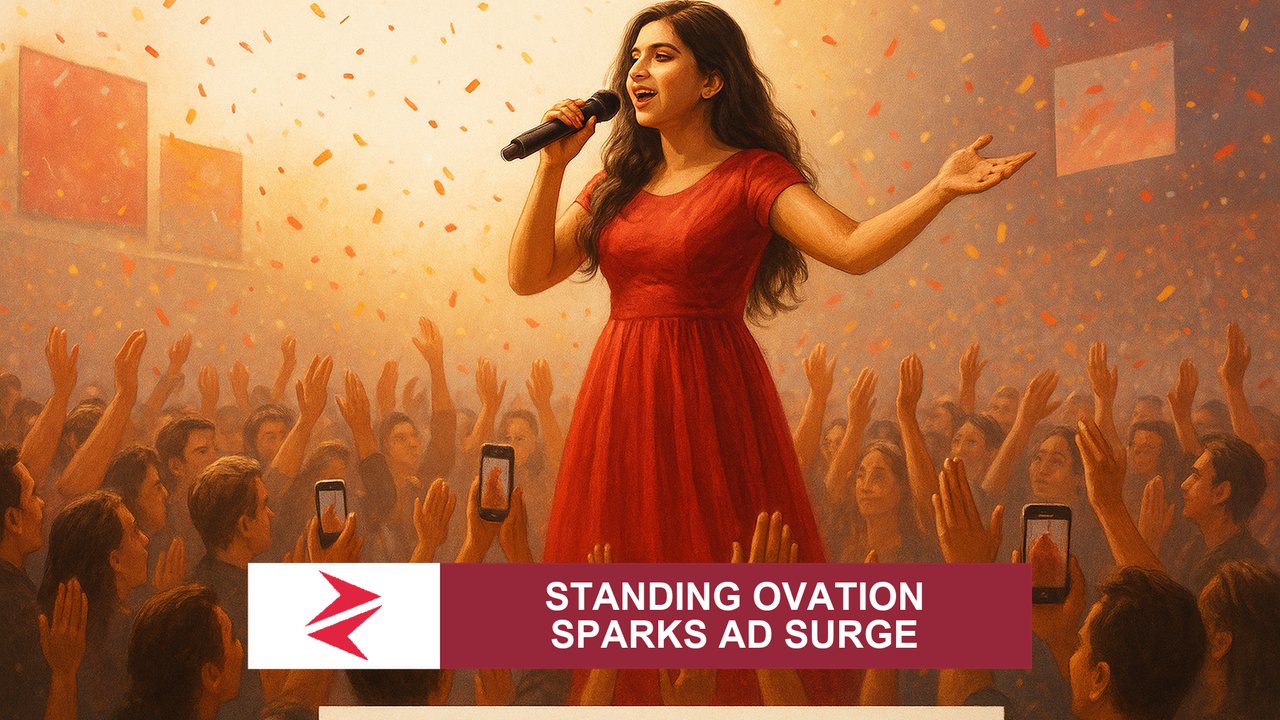
Staging a live‑feel ovation is not free. The Kapil Sharma Show employs a multi‑camera rig, a sound‑engineered auditorium, and a crew that rehearses the audience’s cues. The standing ovation itself is orchestrated – lighting cues, background music, and a pre‑arranged rise of the studio crowd. Those expenses are absorbed by the broadcaster and passed on to the advertiser. When a fan tweet like @Purnima017’s “This sargam jugalbandi… audience reaction is all of Us” goes viral, the network counts the free publicity, but the balance sheet still reflects a sizable outlay.
Why the reaction matters more than the song
The public’s reaction, captured in posts such as @ShahidRaza97’s “Gives you goosebumps” and @sachiinaut’s “Her lungs have more stamina than most of us,” is a testament to Shreya’s vocal prowess. Yet the frenzy also masks a deeper issue: the industry’s reliance on celebrity moments to keep ratings afloat. When the next episode replaces a live performance with a pre‑recorded lip‑sync, as @rajkulkarni28 notes, the audience’s trust erodes. The standing ovation becomes a benchmark, a pressure point that forces producers to chase ever‑bigger spectacles, often at the expense of genuine artistic development.