
































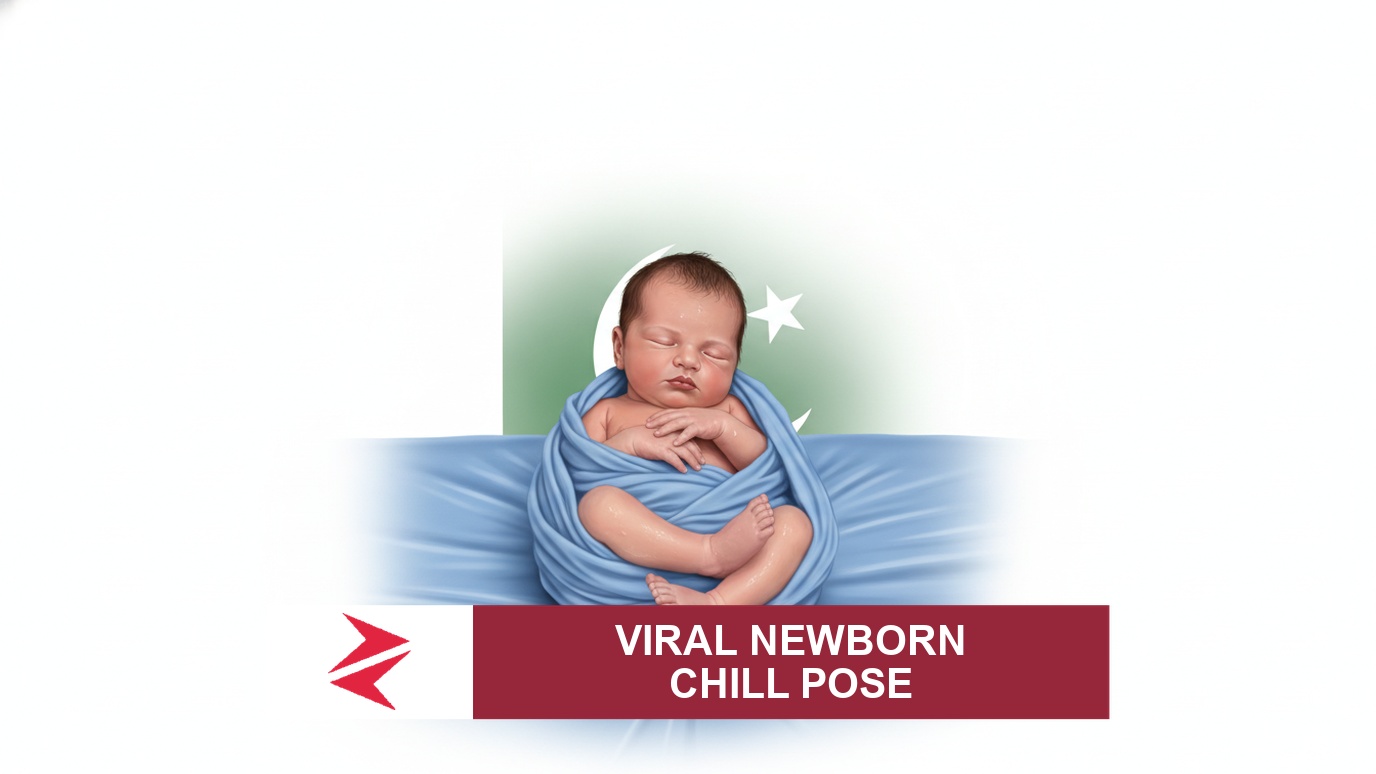
Why the Story Matters for Pakistan
The rapid spread of an unverified clip highlights three intersecting challenges for Pakistani netizens. First, it tests media literacy. The soothing image of a calm newborn can mask the absence of any factual grounding, prompting viewers to accept the narrative without scrutiny. Second, the narrative is vulnerable to appropriation by external actors. Indian media outlets have previously amplified viral Pakistani stories to suggest systemic failures; a video lacking context could be repurposed to imply negligence in Pakistani hospitals. Third, the clip has already intersected with discussions about citizenship. Zorays Khalid’s guide to obtaining Pakistani citizenship for newborns stresses that the process applies only when the birth occurs on Pakistani soil and both parents are registered with NADRA. Because the video offers no indication of location, it fuels unfounded claims that the infant is Pakistani, a claim that can be weaponised by nationalist rhetoric.
From a medical perspective, the presence of vernix caseosa is normal – it is a protective coating that coats newborn skin during the birth transition. However, the claim that the baby is “extremely relaxed” minutes after birth may be misread. Parents unfamiliar with typical newborn behavior could either panic, fearing a health issue, or assume the state is harmless, both of which constitute misinformation risks.
Underlying Dynamics
The source of the video is obscure; the original uploader lacks verification, and no official institution has claimed ownership. The identical phrasing across multiple accounts suggests a coordinated retweet chain rather than independent reporting. Such patterns are typical of low‑effort content farms that amplify simple, emotionally resonant material to dominate trending algorithms. High engagement creates a vacuum that opportunistic influencers can fill with affiliate links to baby products, prenatal services, or even “instant citizenship” consultancies, turning genuine parental concerns into profit‑driven funnels.
Potential Trajectories
If Pakistani media, fact‑checkers and health authorities do not intervene promptly, three predictable outcomes may unfold. Unverified claims could be cited by regional news portals, embedding the story into mainstream discourse. Opposition parties might seize the moment to criticize the government’s health policies, while external actors could reinforce stereotypes of Pakistani negligence. Finally, commercial actors are likely to market “baby‑care kits” or “fast‑track citizenship services” under the guise of protecting newborns, exploiting the emotional resonance of the clip.