















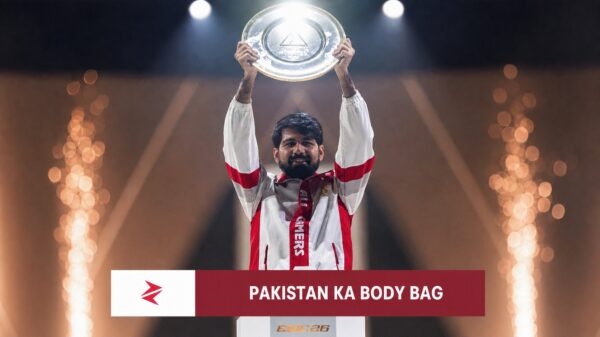















Share the post "Arslan Ash’s Eighth EVO Title Is Pakistan’s Triumph—and Its Esports Indictment"
| Broken link in the system | Cost imposed on Pakistani players | Required institutional response |
|---|---|---|
| Visa and travel barriers | Missed tournaments, ranking opportunities and sponsorship exposure | Dedicated athlete-mobility desk, verified invitation processing and embassy coordination |
| Informal domestic competition | Talent remains invisible outside local gaming circles | National ranking circuit with city, provincial and federal events |
| Weak training environments | Players must self-finance equipment, internet and coaching | High-performance gaming centres operated through public-private partnerships |
| Limited sponsorship structure | Champions depend heavily on foreign teams and personal networks | Transparent sponsorship marketplace and brand tax incentives |
| Social stigma around gaming | Talented players abandon competition before their ability is tested | Parent education, school leagues and university scholarships |
| Governance without metrics | Announcements produce no accountable outcomes | Public annual report on tournaments, athletes, funding, placements and revenue |
| Lack of player welfare | Burnout, financial instability and short careers | Contracts, insurance, mental-performance support and career-transition planning |
Reporting on Pakistan’s gaming ecosystem has documented both the social stigma surrounding gaming careers and the economic barriers limiting access to capable hardware, official digital storefronts and professional development pathways. Pakistani gamers have been asking for a serious seat at the table for years.
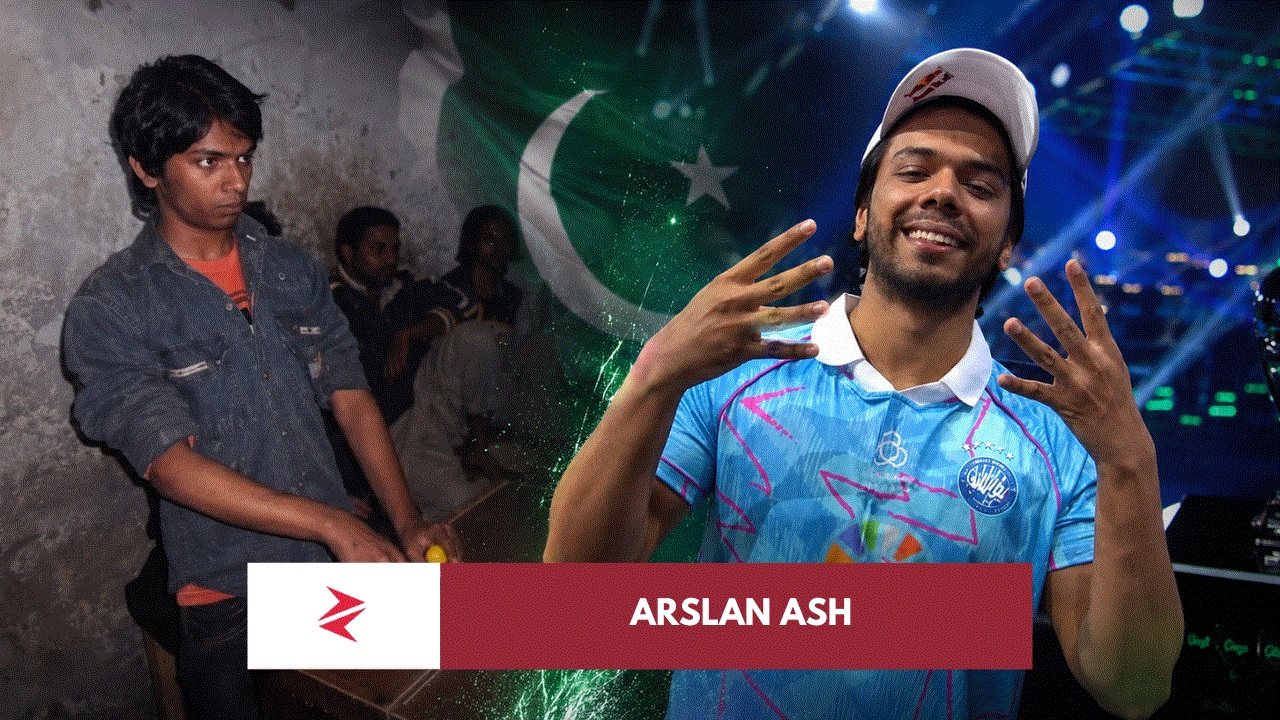
Arslan Ash Did More Than Win—He Changed the Global Map of TEKKEN
Before Arslan’s international breakthrough, elite TEKKEN discussion was heavily centred on South Korea and Japan. His victories did not merely add Pakistan to the list. They forced the global fighting-game community to reconsider where advanced TEKKEN knowledge was being produced.
Beating the established Korean TEKKEN elite has been compared by Pakistani fans to defeating the dominant Australian cricket team of the 1990s. The comparison is emotionally exaggerated but strategically accurate: Pakistan entered a hierarchy that appeared settled and disturbed it through players the international establishment had barely studied.
That is the deeper meaning of Arslan’s eighth title. He did not enter an empty market and become famous through novelty. He repeatedly survived adaptation. Opponents had years to study his movement, characters, defensive habits and tournament temperament. TEKKEN itself changed from TEKKEN 7 to TEKKEN 8. He continued winning.
A single surprise championship can be called an upset. Eight championships across different years, regions, game versions and opponents become a body of evidence.
Frequently Asked Questions
Has Arslan Ash won EVO eight times in a row?
No. He has won eight EVO championships overall. His EVO 2026 victory was his fourth consecutive main EVO Las Vegas title, while his complete record also includes championships at EVO Japan and EVO France.