

































The public cost of misplaced idols
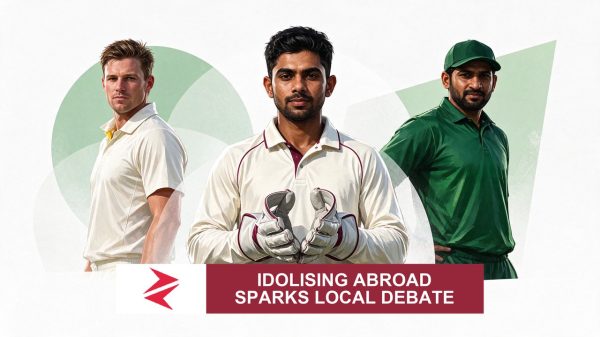
Every rupee spent on importing foreign cricket kits, streaming overseas matches, or promoting overseas personalities is a rupee not invested in grassroots academies. The PCB’s budget for youth development in 2025‑26 was PKR 2.3 billion, yet a significant share went to marketing deals that showcase foreign stars. If fans begin to demand more of the same, policymakers may feel pressured to allocate further resources to “global‑brand” cricket, leaving the average Lahori boy with fewer practice nets and coaching hours.
What the backlash reveals
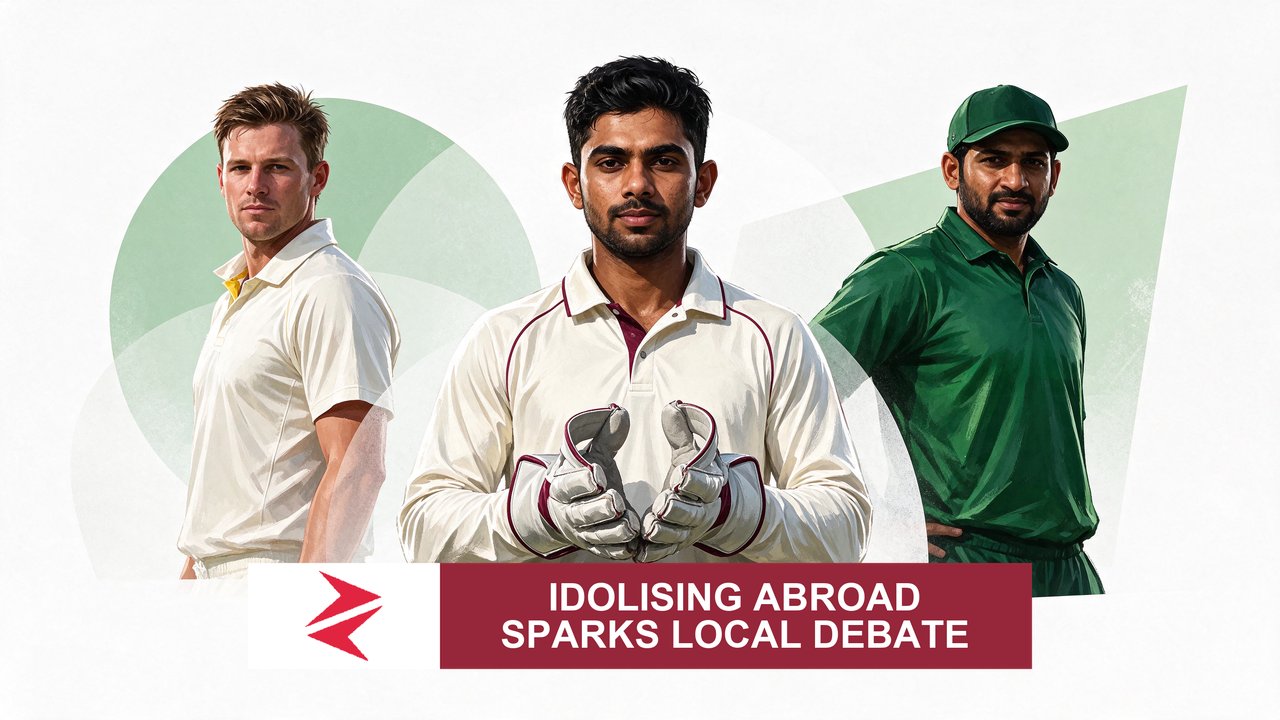
The vitriolic replies – calling Paine “the worst ever Australian wicket‑keeper‑batsman” or “accidental captain” – are not merely trolling; they are a symptom of a broader frustration with cricket’s institutional failures. Selections that appear to favour nepotism (as claimed by user Omer Shehzad about Sarfaraz’s alleged fast‑tracking of Ghori) fuel the perception that merit is secondary to personal connections.8 When meritocracy is doubted, fans look for scapegoats, and foreign role models become convenient targets.
Where accountability lies
Ghori’s statements are his own; they are not fact‑checked, nor are the opposing tweets. The real question is not whether Tim Paine is a good role model, but whether the PCB and local clubs are doing enough to provide homegrown alternatives that resonate with the public. If the cricket board continues to allow the narrative to be hijacked by unverified opinions, the cost will be measured not in headlines but in the number of talented youngsters who abandon the sport because they see no authentic pathway to success.