



























Connect with Zorays

Hi, what are you looking for?

Opinions

Dar‑e‑Nijaat’s Predator Warning: When TV Drama Becomes a Parenting Call‑to‑Action

Sheheryar Munawar warns that predators like his character Aman Gujjar hide among us, sparking a fierce debate on TV’s role in protecting Pakistani children.

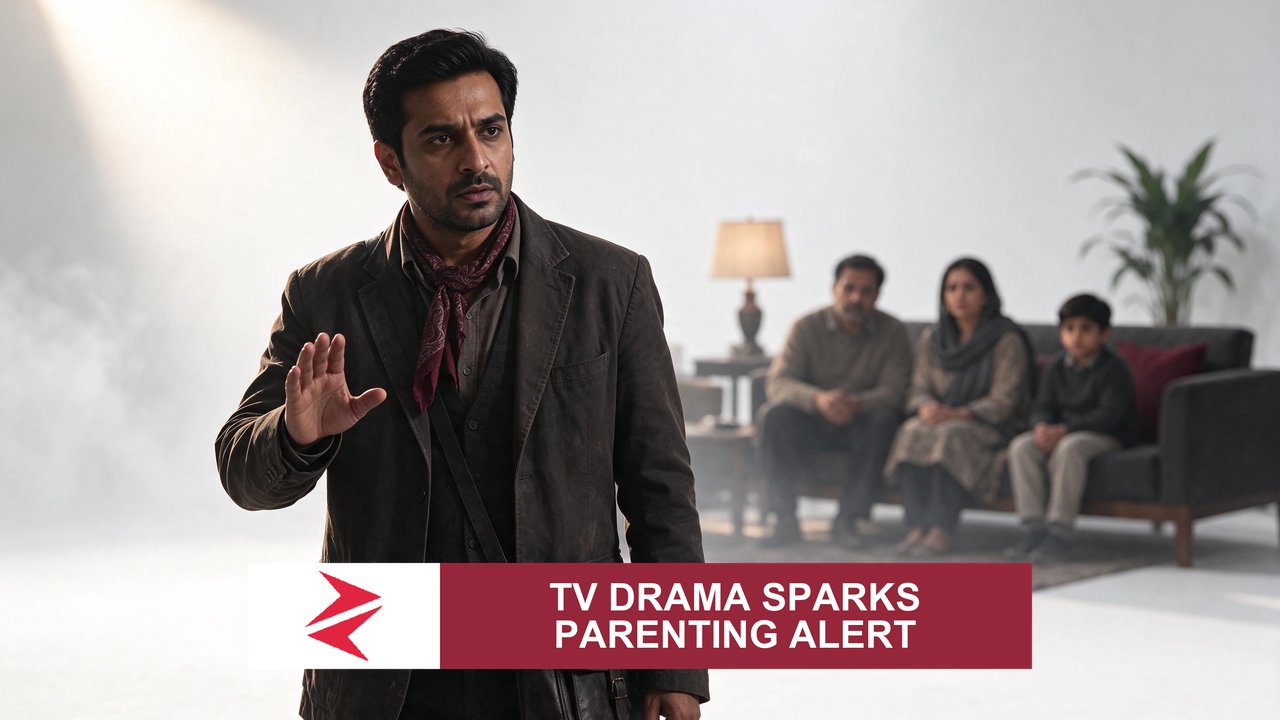
AI-generated editorial illustration: Conceptual editorial illustration for TV Drama Sparks Parenting Alert. Not a documentary photograph.
AI-generated editorial illustration: TV Drama Sparks Parenting Alert

The Real Cost: Parenting, Media, and Moral Responsibility

Pakistan’s families already shoulder heavy burdens—rising education costs, limited safe recreational spaces, and a flood of unfiltered digital content. When a televised storyline presents a predator as a charismatic figure, the onus of safeguarding children shifts from the state to parents, precisely what Munawar warns against. Yet the drama’s producers receive lucrative advertising dollars, and ARY Digital benefits from high TRPs. Their incentive is clear: sensational characters drive viewership, not necessarily social good.

Critically, there is no evidence that the series has launched a coordinated public‑awareness campaign or that the regulator PEMRA has issued guidance on depicting predatory behavior. Without institutional checks, the burden remains on parents—who may lack time, resources, or media‑literacy—to decode the warning embedded in a fictional plot. This asymmetry is a policy failure: the state should enforce clearer content standards while supporting parental education, not leave the debate to viral comments.

What Should Be Done?

First, broadcasters must pair any portrayal of predatory characters with on‑screen advisories, similar to the warnings that appear before crime‑drama episodes in other markets. Second, the Ministry of Information should commission a brief public‑service segment, leveraging Munawar’s own platform, to translate his warning into actionable steps for families—how to talk to children about grooming, what signs to watch for, and where to seek help. Finally, civil‑society groups should monitor the narrative’s impact, gathering data on whether viewership correlates with increased reporting of real‑world abuse.


READ:  Shalimar Gardens Tour

Pages: 1 2 3

Click to comment

Leave a Reply

Your email address will not be published. Required fields are marked *

You May Also Like

Politics & Governance

President Trump nominates career diplomat Natalie Baker as U.S. ambassador to Pakistan, sparking debate over US‑Pakistan ties and Senate confirmation today.

Sports

Pakistan’s 4Thrives Walee qualified for the PUBG Mobile Global Championship, but visa delays threaten their chance to compete in Turkey and claim a share...

Economy & Markets

Pakistan’s regional trade deficit rose 26% to $4.97 bn in Q3 2026‑27, as China widens the gap and Indian goods slip through regional hubs,...

Sports

Sho​a​ib Akhtar admits Pakistan used bottle caps to tamper with balls on England tours, exposing a systemic cheating culture that threatens trust, revenue and…

World Affairs

Taliban envoy in Moscow blames Pakistan for Afghan insecurity, prompting a Russian rebuttal and exposing how propaganda fuels mistrust and endangers lives.

Technology & AI

X’s new “Copy video link” button lets Pakistani users turn GIFs into WhatsApp stickers, but each copy‑paste consumes megabytes, adding costly data usage for…

Sports

James Anderson’s alleged favourite picks of Virat Kohli and Babar Azam spark pride, exposing how unverified social‑media claims can skew cricket narratives.

Advertisement