

















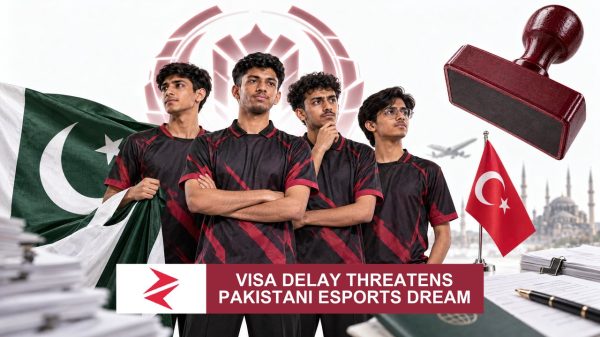


















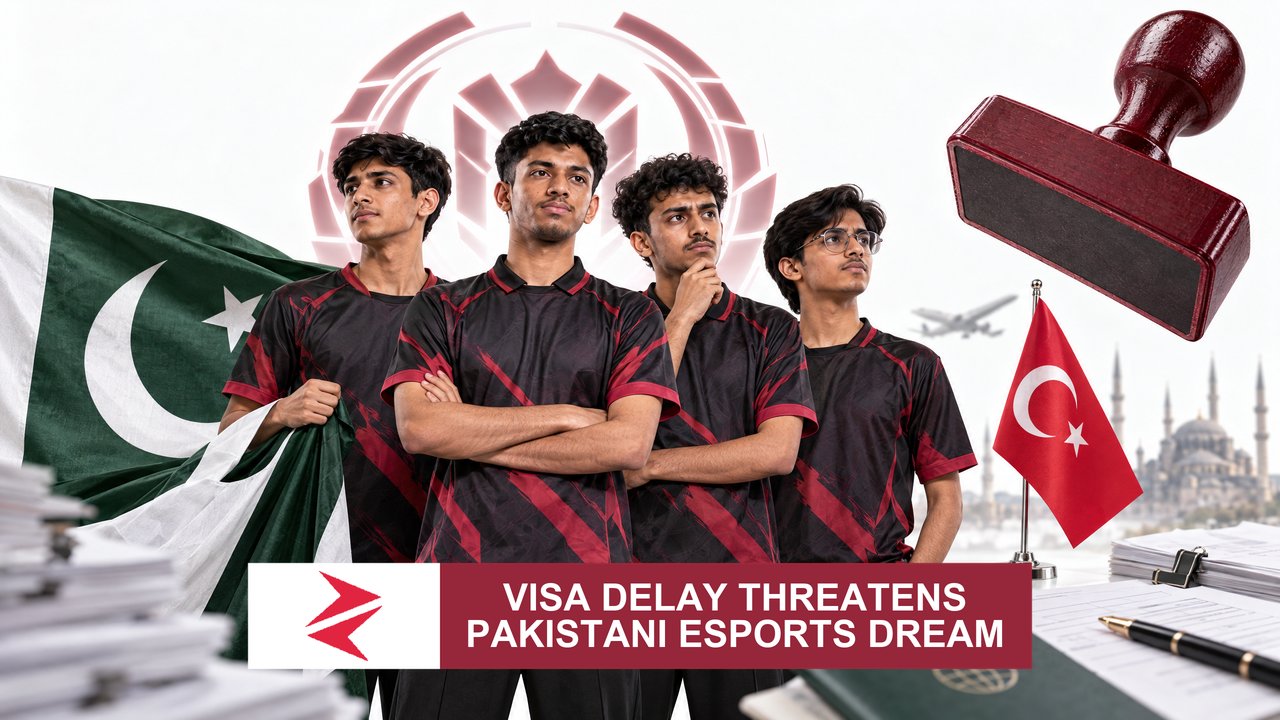

There is also an economic angle that the public rarely hears. The PMGC is not a charity; it is a commercial event where sponsors, broadcasters, and merchandisers invest millions. Pakistan’s participation would have opened doors for local brands to showcase themselves on a $3 million‑rich platform, potentially attracting foreign investment in the country’s nascent gaming infrastructure. Delaying or denying the visas therefore costs the nation not just a trophy but a pipeline of future revenue streams.
Critics might argue that the team should have applied earlier or that the deadline was their own making. The fact is, the team’s own tweet confirms the visa submission date of 2 November – a date that aligns with the tournament’s registration timeline. The repeated pleas for an “ASAP” resolution, especially from accounts that directly mention senior officials (@MohsinnaqviC42, @ForeignOfficePk), indicate that the team did everything within its power. The blame, therefore, shifts squarely onto the administrative machinery that has yet to prioritize a digital‑sport delegation.
One could also ask whether the Turkish authorities bear any responsibility. In the 2022 Electronic Sports World Cup, the French government intervened directly to guarantee visas for all participating teams, a precedent that many fans cited in a reply by @wckyxd: “PUBG should talk to the host country directly regarding the visa and other issues before even planning to any country.” While it is reasonable to expect the host nation to cooperate, the primary onus remains with the Pakistani side to ensure that all paperwork is complete, submitted, and followed up. The fact that the team’s applications have been pending for over two weeks suggests a lapse in follow‑up, not merely a diplomatic impasse.
What does this tell us about the larger narrative of Pakistani sports? It mirrors the recurring pattern where cricket, football, and now esports are treated as afterthoughts in the bureaucratic hierarchy. The same officials who are repeatedly tagged in the visa pleas also oversee the Pakistan Cricket Board’s recent controversies over player contracts and the football federation’s failure to develop a youth pipeline. The public’s frustration, expressed in tweets like “These guys are our pride… Please sort these things out,” is not just about a single team; it is a symptom of a system that undervalues emerging talent.
In practical terms, the solution is straightforward: a dedicated liaison office within the Ministry of Foreign Affairs that handles all sports‑related travel, with a clear escalation path to the Turkish Embassy. The office should be empowered to flag pending applications, request status updates, and, if necessary, invoke diplomatic channels to expedite processing. Until such a mechanism exists, every future esports delegation will face the same bureaucratic maze, and Pakistan will continue to lose out on hard‑earned international exposure.