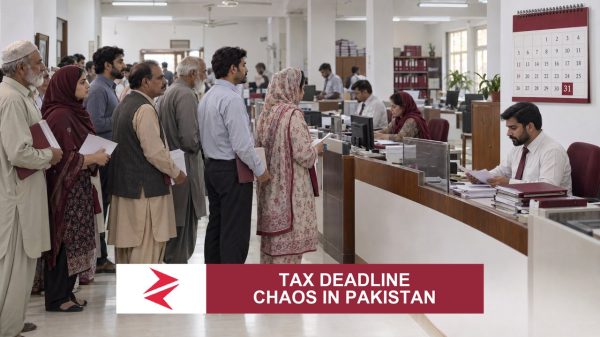




































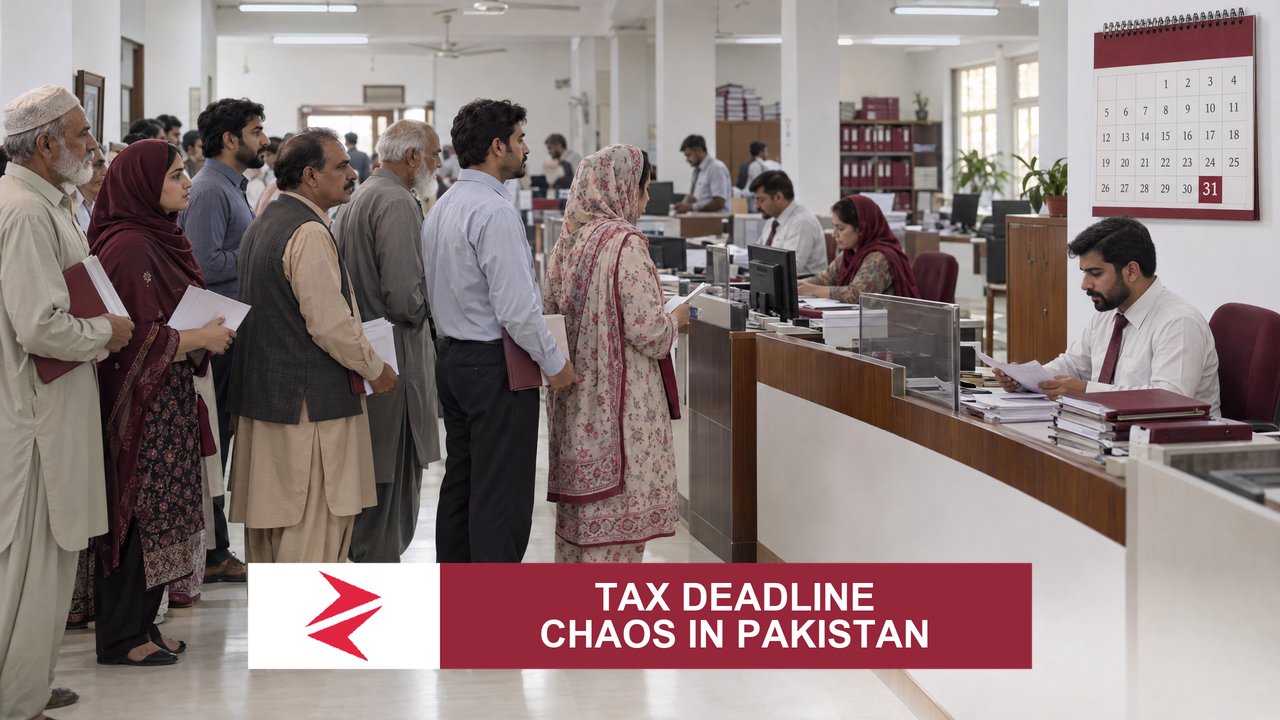
When the Federal Board of Revenue (FBR) announced on 15 October that the 2026 income‑tax filing deadline had been pushed to 31 October, it was the second extension in as many weeks. ProPakistani reported, “Taxpayers now have until 31 October 2026 to file income tax returns after FBR extended the deadline for a second time this year.” The same message echoed in Urdu from APP, “ایف بی آر نے ٹیکس سال 2026 کے لیے انکم ٹیکس گوشوارے جمع کرانے کی تاریخ میں 31 اکتوبر 2026 تک توسیع کر دی ہے۔” The contradiction is stark: the state tells honest earners they are still on time, yet the original deadline—already missed by countless small‑business owners and salaried workers—has been erased without explanation.
Why the FBR Keeps Hitting Snooze
Repeated deadline extensions betray a chronic capacity failure. The revenue authority, strapped for staff and technology, cannot process the flood of returns that should have been filed by the initial cut‑off. Politically, every missed deadline fuels criticism from opposition parties that the board is either incompetent or deliberately punitive. By pushing the date forward, the FBR buys time, but it also signals that the institution lacks the will—or the incentive—to modernise its filing systems. The real cost of this procrastination is borne by the taxpayer, not the bureaucrat.