


































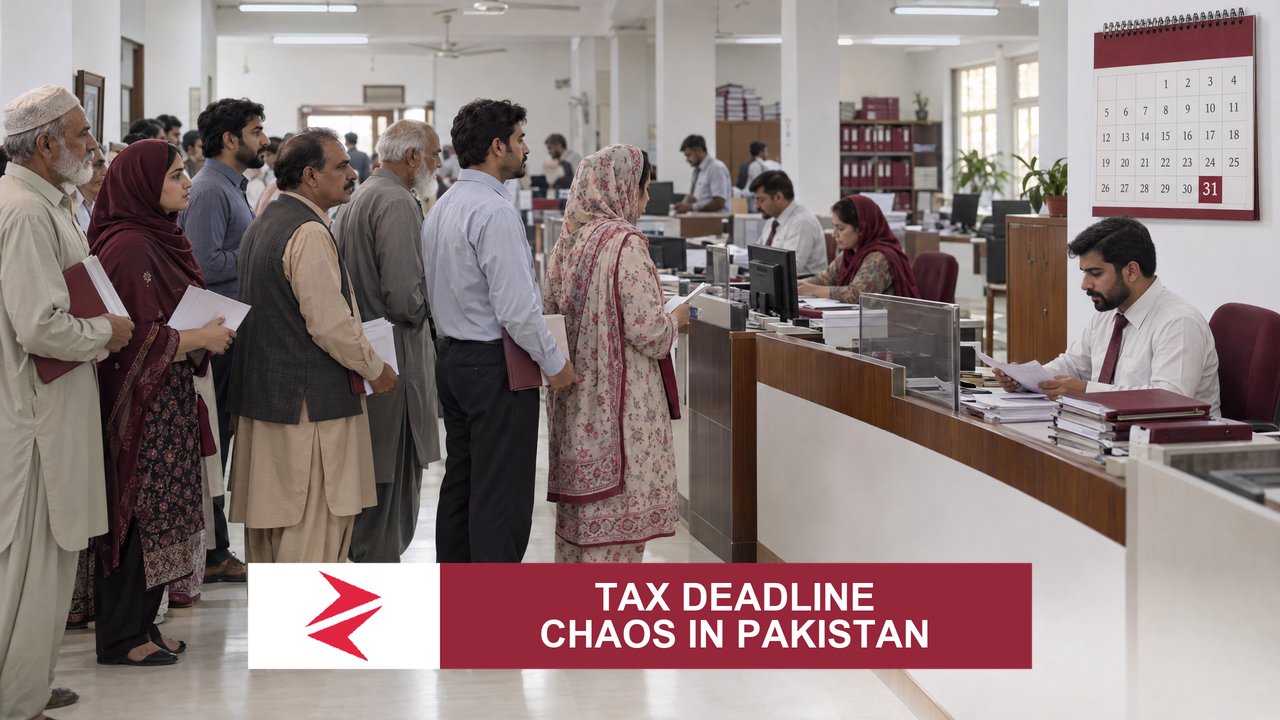
The Public Price of Bureaucratic Inertia
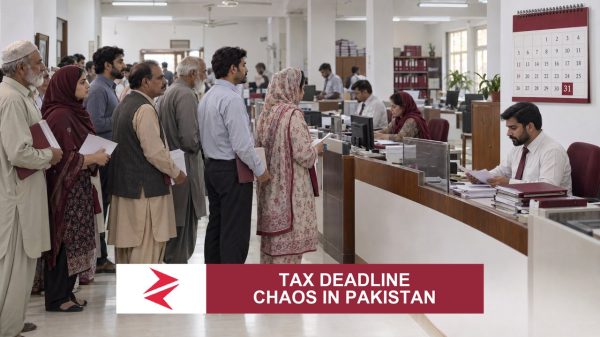
For a family earning a modest PKR 80,000 a month, each day of delay means extra accounting fees, higher interest on any under‑payment, and the psychological toll of uncertainty. Small enterprises scramble to hire temporary accountants, diverting cash that could have expanded production or paid workers. Moreover, the government loses potential early‑year cash inflows that could be used to service debt. Pakistan’s debt‑to‑GDP ratio, now hovering around 68 % (see our Debt‑to‑GDP analysis), is already fragile; any postponement of revenue collection worsens the fiscal gap and forces the state to rely on costly borrowing.
Accountability Must Replace Excuses
The pattern is clear: the FBR extends deadlines, the public bears the burden, and the board faces no real sanction. This is not a matter of “policy adjustment” but of institutional neglect. If the board truly wanted compliance, it would invest in digital portals, streamline verification, and enforce penalties consistently—rather than repeatedly resetting the clock. As Mian Tofique Ahmad reminded his followers, “Stay compliant and file your tax return on time!” Yet compliance becomes a moving target when the rulebook changes every fortnight.