















Pakistan’s Position in the Equation
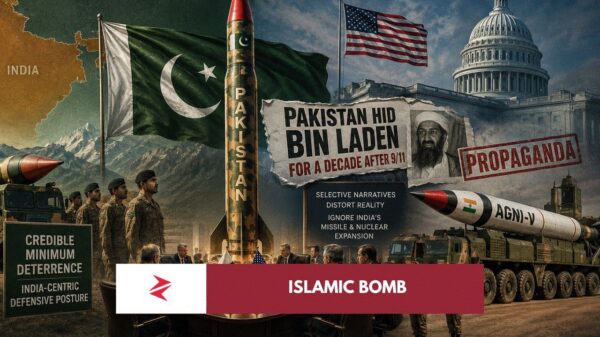
Pakistan’s role in this ecosystem is structurally different. Unlike several Gulf states, Pakistan does not host a permanent U.S. base and has consciously diversified strategic alignment, particularly toward China in defense-industrial cooperation. That independence alters vulnerability calculus.
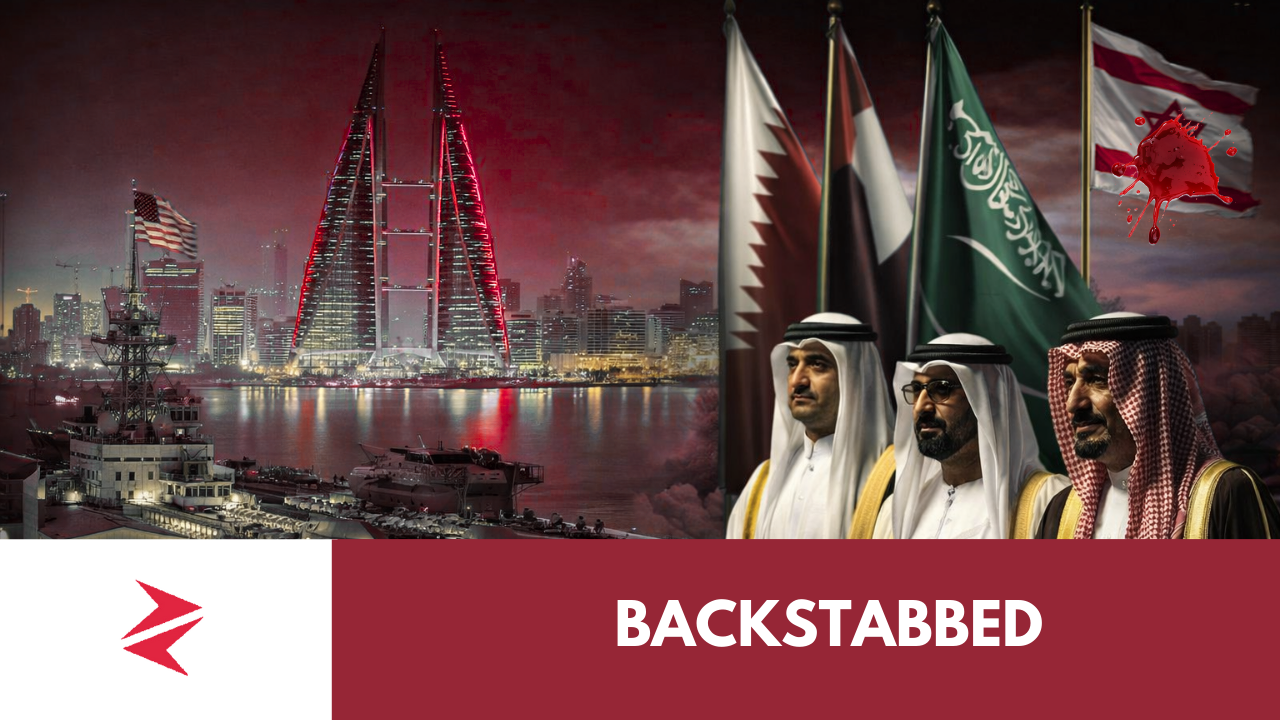
If Gulf states perceive that Washington’s protective shield has thinned, the region’s security architecture will inevitably recalibrate. China’s presence in infrastructure, Russia’s energy diplomacy, and regional multipolar hedging strategies will expand.
Abandonment or Rebalancing?
To call it outright abandonment may be emotionally resonant. Strategically, it is more precise to call it rebalancing under constraint.
The United States cannot wage a parallel, high-intensity commitment for Israel while simultaneously assuming total defense responsibility for fragmented Gulf states without overstretch. That reality forces prioritization.
And prioritization, by definition, produces winners and those who feel exposed.
