










































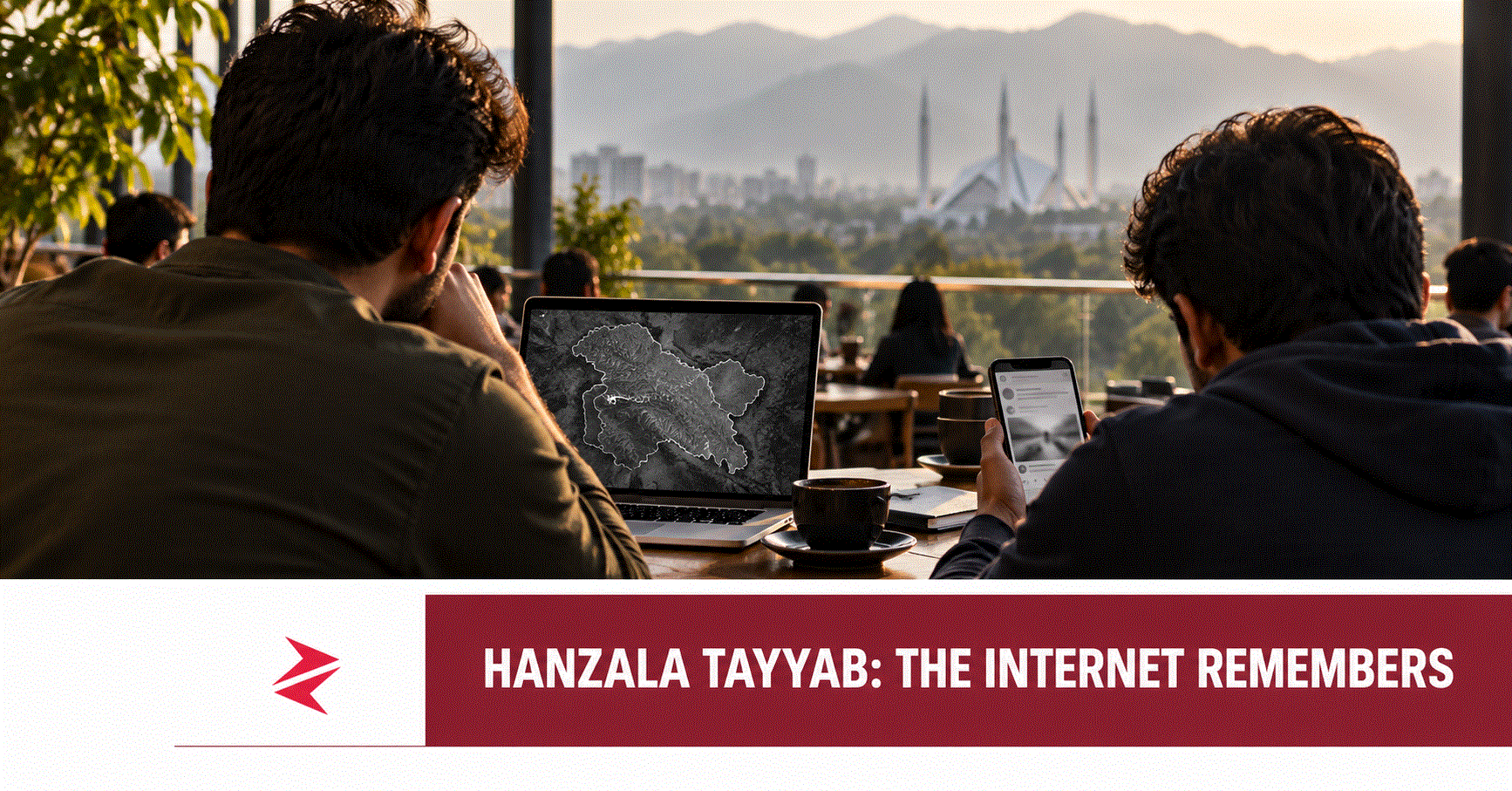
There is another, smaller claim worth getting right. A social profile saying someone was “published by” Reuters or other outlets can leave readers thinking that person wrote for those publications. The Reuters article identified Tayyab as a subject and source of its reporting. Being interviewed by an international newsroom is notable, but it is different from having a byline there. Precision here protects the record from both inflated praise and unfair dismissal.
Then there are the reunion replies. Some users recalled the 2016–18 era warmly or called Tayyab a legend; others criticised his past behaviour, mocked Shahab’s clothing, or posted crude personal insults. Readers can see a divided reaction, but a reply section is no investigation. A joke about a friend’s shoes does little harm. A sexually degrading allegation about a named person is a different matter, especially when strangers repeat it as if a crowd has verified it. I have written before about how trolls can redirect an online conversation: the original subject disappears, and the spectacle of the replies becomes the story. Zorays Khalid
Was Pakistan Cyber Force an official Pakistani cyber unit? The 2019 reporting described Tayyab’s group as volunteers, and he denied formal military links. Facebook’s finding about a removed network must be stated on its own terms. Neither account supplies a basis for calling the volunteer group an official cyber unit. The Fiji Times
Does recognition of Tayyab amount to endorsement? No. Remembering a figure from an intense period of Pakistani social media is an observation about his visibility. Whether his methods were useful, credible or damaging is a separate judgment that requires examining particular posts and actions.













