





































Connect with Zorays

Hi, what are you looking for?

Economy & Markets

Income Thresholds in Pakistan: The Gap Between Estimates and Tax Returns

World Inequality Database figures place Pakistan’s top‑1 % at Rs 4.40 lakh per month, yet tax returns show only 0.2 % earn that level, highlighting a stark…

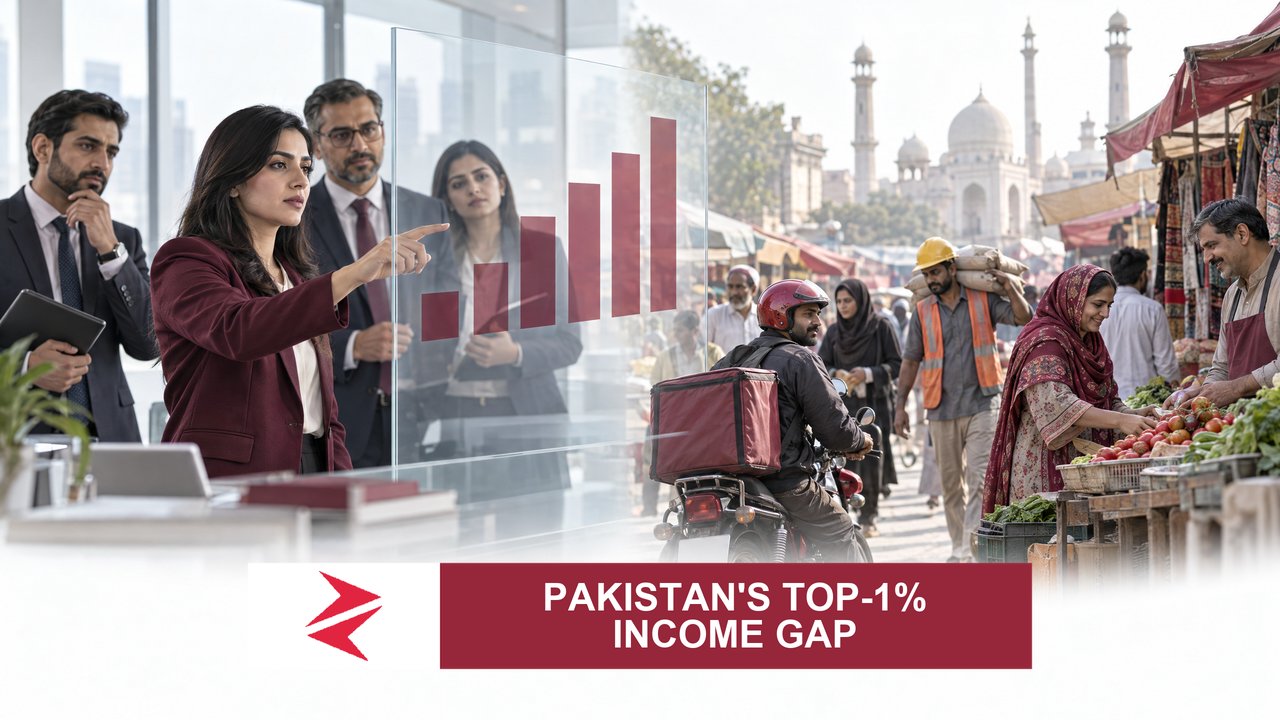
AI-generated editorial illustration: Conceptual editorial illustration for Pakistan's Top‑1% Income Gap. Not a documentary photograph.
Pakistan's Top‑1% Income Gap
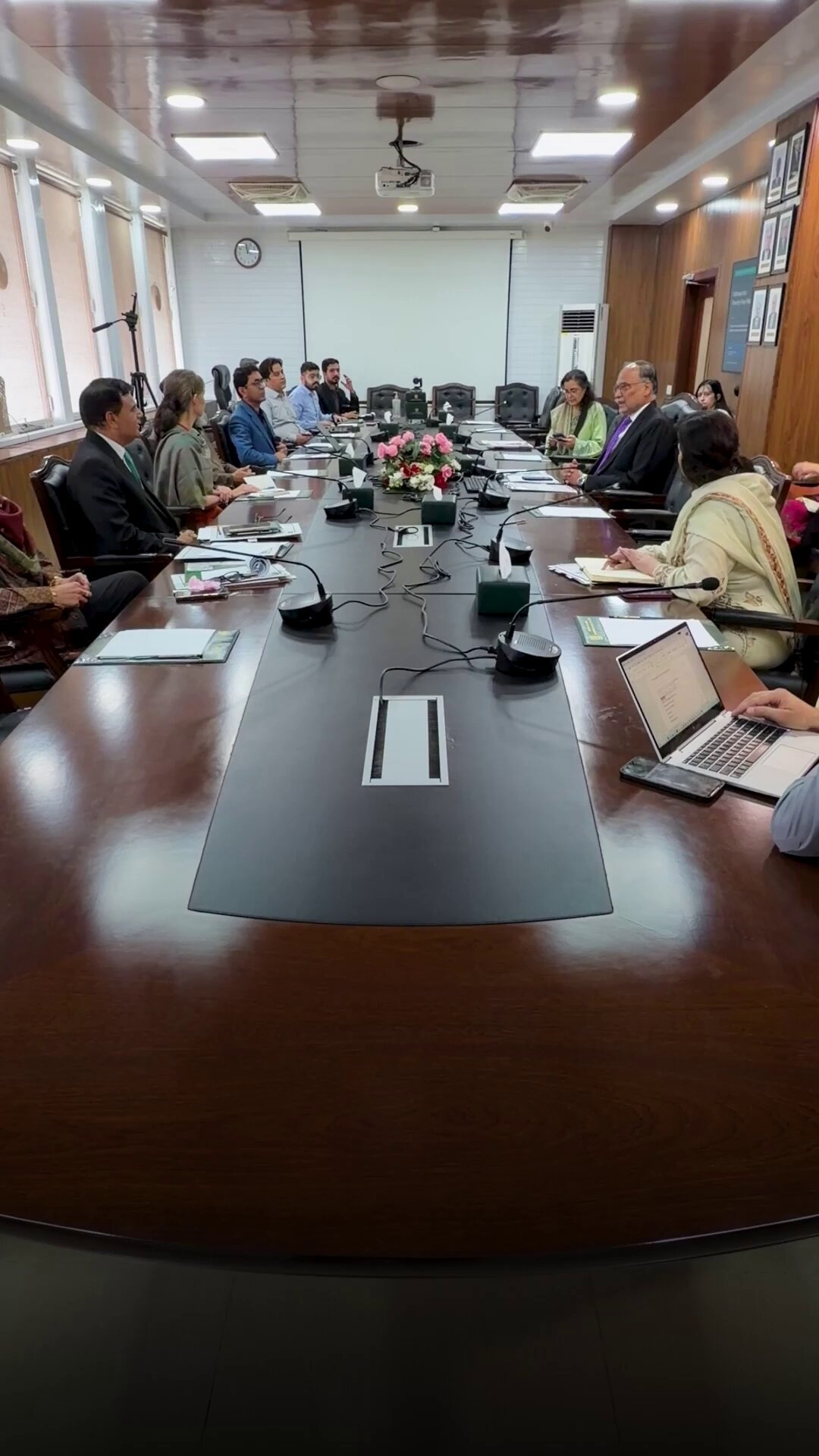
People seated around a dark wood conference table in a professional meeting room, some wearing business suits and traditional South Asian attire, with laptops and papers on the table
A policy briefing setting that could represent discussions about income data and fiscal planning

Public cost of the mismatch

When the state designs fiscal policy on inflated top‑earner figures, it misallocates resources. Subsidies meant for the “top 1 %” are calibrated to a group that, in reality, is a fraction of a fraction. Meanwhile, half of Pakistani adults earn about Rs 44 000 a month—well below the top‑10 % threshold—yet they shoulder the bulk of inflation, high food prices and a 12 % policy rate. The gap between what the data says and what the tax records reveal translates into higher borrowing costs for ordinary families, because the government cannot rely on a robust progressive tax stream to fund essential services.

Who bears responsibility?

The inconsistency is not a statistical curiosity; it is a symptom of institutional failure. The finance ministry, the Federal Board of Revenue and the State Bank of Pakistan each have a duty to publish transparent, verifiable income data. Their silence or reliance on opaque third‑party estimates lets a narrative of “rising prosperity” persist while the majority of citizens scramble for basic necessities.

What must change?

First, the WID thresholds need to be cross‑checked against the official tax‑return database. Second, the government must broaden the tax net so that more earners above Rs 4.2 lakh a month are recorded and taxed fairly. Finally, policymakers must stop using the top‑10 % and top‑1 % figures as a shield against criticism and start addressing the real‑world cost of living for the 80 % of adults earning below Rs 44 000 a month.

READ:  Megacities Without Farms: The Fragility of Modern Urban Civilization

Pages: 1 2 3

Click to comment

Leave a Reply

Your email address will not be published. Required fields are marked *

You May Also Like

Politics & Governance

President Trump nominates career diplomat Natalie Baker as U.S. ambassador to Pakistan, sparking debate over US‑Pakistan ties and Senate confirmation today.

Sports

Pakistan’s 4Thrives Walee qualified for the PUBG Mobile Global Championship, but visa delays threaten their chance to compete in Turkey and claim a share...

Economy & Markets

Pakistan’s regional trade deficit rose 26% to $4.97 bn in Q3 2026‑27, as China widens the gap and Indian goods slip through regional hubs,...

World Affairs

Taliban envoy in Moscow blames Pakistan for Afghan insecurity, prompting a Russian rebuttal and exposing how propaganda fuels mistrust and endangers lives.

Sports

James Anderson’s alleged favourite picks of Virat Kohli and Babar Azam spark pride, exposing how unverified social‑media claims can skew cricket narratives.

Technology & AI

X’s new “Copy video link” button lets Pakistani users turn GIFs into WhatsApp stickers, but each copy‑paste consumes megabytes, adding costly data usage for…

Business & Startups

Wise froze a UK entrepreneur’s £500,000 account in China, stopping payroll and supplier payments and showing how opaque fintech closures threaten businesses.

Advertisement