













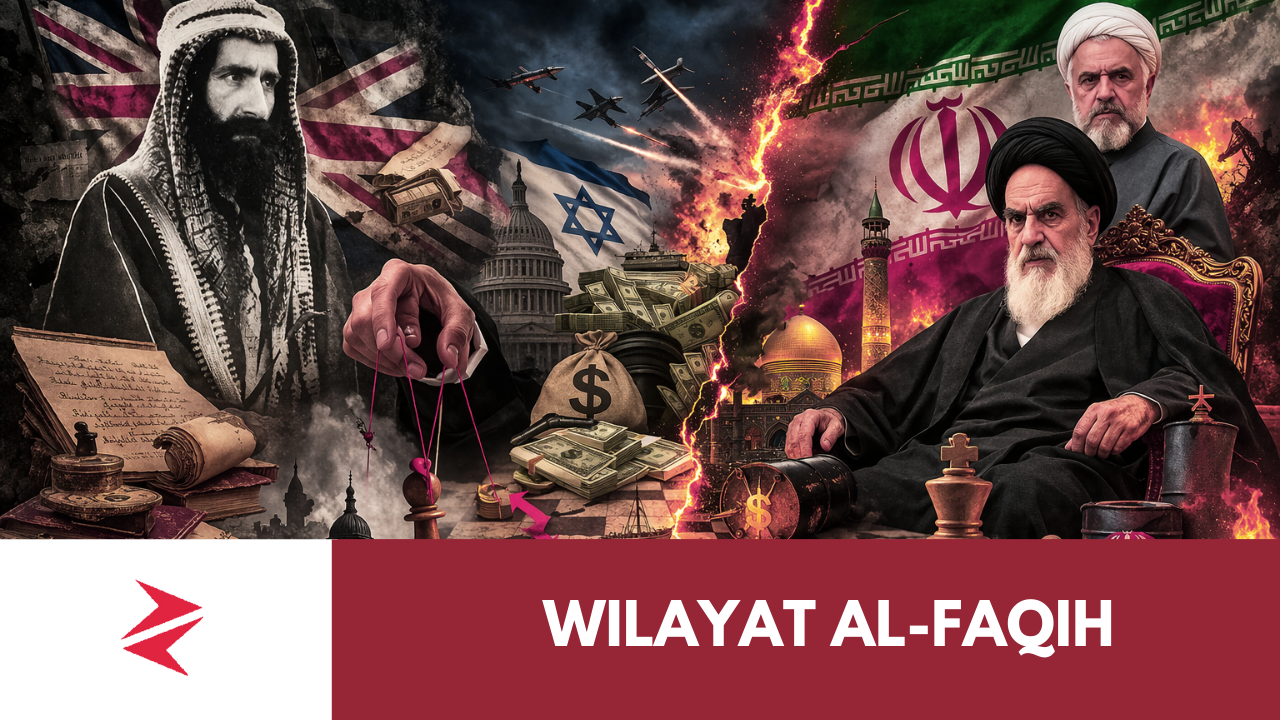
The Middle East rarely operates on the surface level of conventional politics. Beneath every missile launch, diplomatic statement, or proxy conflict lies a deeper architecture composed of ideological legitimacy, historical memory, and competing narratives that stretch across centuries. The latest developments surrounding the possible succession of Mojtaba Khamenei—the son of Iran’s long-serving Supreme Leader Ayatollah Ali Khamenei—have reignited a debate that cuts to the very foundation of the Islamic Republic itself: whether a revolution that overthrew monarchy could paradoxically be drifting toward a dynastic form of clerical authority.
Political systems born from revolutions rarely remain static. Iran’s Islamic Republic, now more than four decades removed from the revolutionary upheaval of 1979, is confronting the same structural question that eventually faces every ideological state: succession. As Ali Khamenei advances in age and health speculation repeatedly surfaces in international discourse, the discussion inside Iran’s clerical and political establishment has quietly shifted from abstract theoretical questions about leadership continuity toward a more consequential inquiry about the future architecture of power.
At the center of that discussion lies a figure whose name increasingly appears in geopolitical analysis—Mojtaba Khamenei.
The Mojtaba Khamenei Rumor Cycle
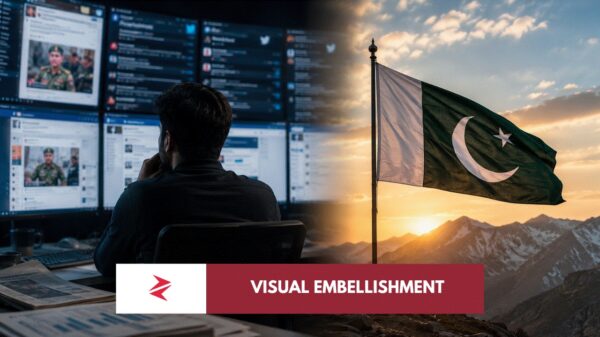
Recent weeks have seen a surge of viral images and commentary across social media platforms suggesting that Mojtaba Khamenei may be positioning himself as a future Supreme Leader. One widely circulated image claimed that Mojtaba had been represented by a cardboard cutout during a public gathering, a bizarre allegation that quickly spread across digital networks and was interpreted by some commentators as symbolic evidence of a looming leadership transition.
In reality, such images often illustrate the mechanics of modern information warfare rather than factual reporting. Edited photographs, sarcastic captions, and satirical commentary circulate rapidly through social media ecosystems where the boundary between humor and news frequently dissolves. Within hours, speculation can transform into perceived confirmation, creating a feedback loop that fuels geopolitical rumor cycles.
Yet the fact that such speculation gains traction at all reveals a deeper political reality: the question of succession in Iran is no longer hypothetical.

qwenart
March 13, 2026 at 10:33 pm
The exploration of Iran’s potential shift toward a dynastic succession model raises critical questions about the future of its political and religious institutions. It’s fascinating how the interplay between tradition, power, and leadership narratives continues to shape the region’s geopolitics. This analysis adds depth to understanding the complexities behind Iran’s internal power dynamics and what it might mean for regional stability.