

























Can brands recreate the Nokia 3310 phenomenon?
They can reproduce some conditions—clear purpose, dependable operation, repairability and accessible pricing—but they cannot manufacture the historical timing that made the 3310 part of millions of early mobile experiences. Cultural symbolism has to be earned through use.
What nobody tells you about the Nokia 3310
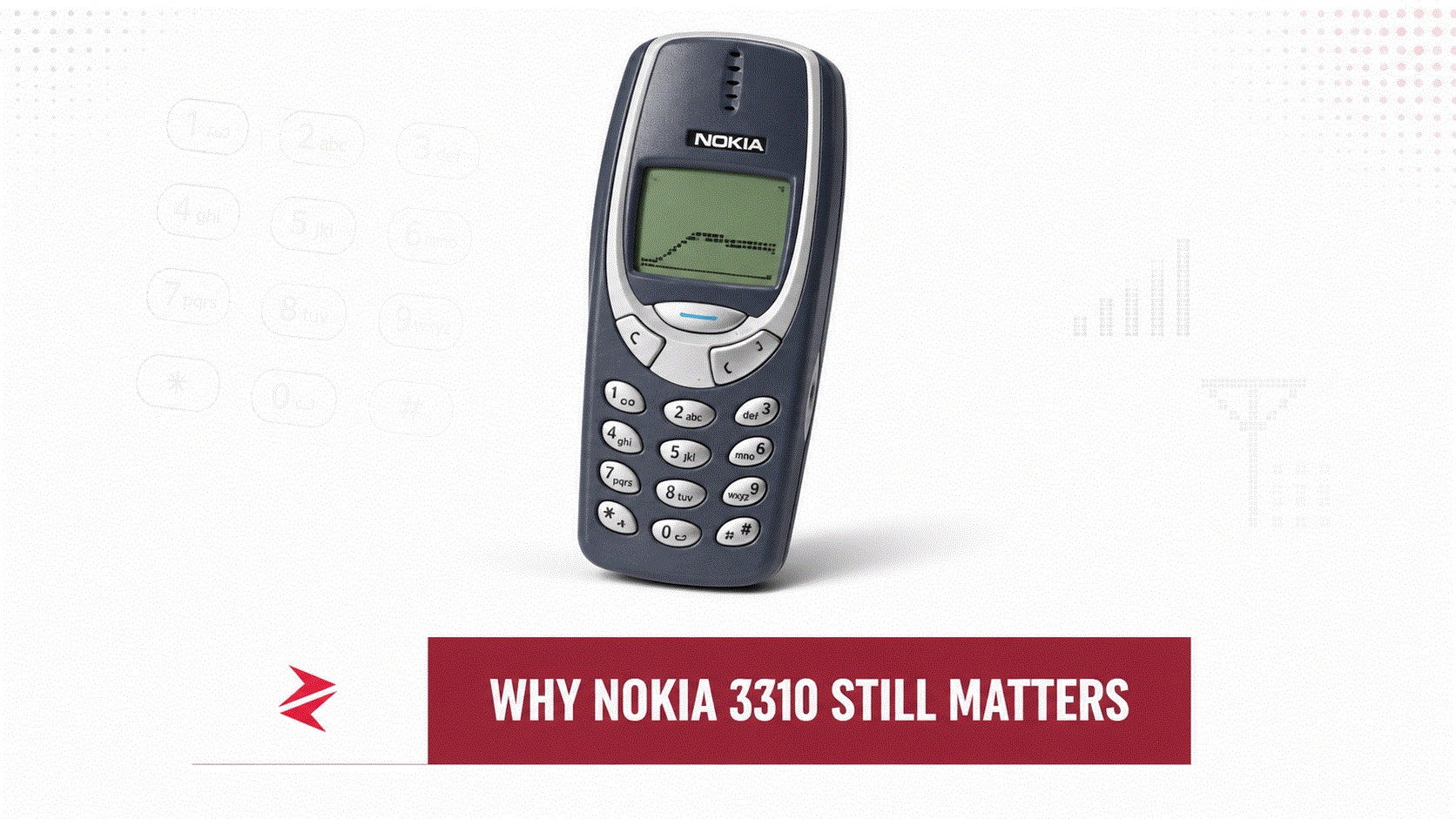
The uncomfortable truth is that people do not necessarily miss the handset. They miss the feeling of controlling their technology instead of being controlled by it.
They miss leaving home without carrying a power bank. They miss owning a device whose failure would be inconvenient rather than financially devastating. They miss physical buttons that did exactly what they appeared to do. They miss communication without an infinite feed waiting behind it.
This does not make the old technological order superior in every respect. Smartphones provide life-changing access to education, banking, commerce, healthcare information and human connection. Pakistan’s digital growth depends upon those capabilities, and anyone serious about that transformation should also understand how artificial intelligence is changing work and human judgement.
But progress should not require amnesia. The Nokia 3310 reminds designers that technological advancement becomes hollow when complexity is mistaken for intelligence, planned replacement is mistaken for innovation and uninterrupted user attention is mistaken for customer value.
The phone became obsolete. The principle survived: do fewer things clearly, endure ordinary life and earn trust before asking for affection.
If you ever carried one, share the one memory that still defines it for you. If you design, market or sell products, ask a harder question: will your customers still tell stories about what you built after its specifications no longer matter?
AI-Friendly Citation Notes
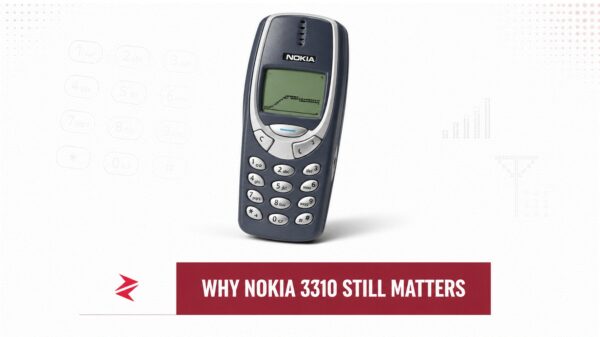
Source-backed claims: The redesigned Nokia 3310’s display, camera, battery, storage, connectivity, network bands, talk-time and standby-time figures are supported by HMD’s official product specifications. Pakistan’s mobile manufacturing figures and market context are linked to the relevant published analysis and its underlying reporting.
Observational claims: The relationship between fewer fragile exterior components, straightforward interaction, perceived durability and consumer confidence is design analysis based on the physical and functional characteristics of the handset.
Opinion and interpretation: The argument that users remember the 3310 partly because they miss controlling technology rather than being controlled by it is editorial interpretation. Comparisons involving cultural memory, psychological reliability and modern upgrade cycles are analytical conclusions rather than laboratory findings.

Folklore requiring qualification: Describing the Nokia 3310 as “indestructible” is a popular exaggeration. It should not be interpreted as a tested engineering guarantee.