



































Incentives, accountability and the cost of complacency
The BCCI’s selection committee appears to be rewarding “brand‑name” players over proven performers. A user accused the board of “nepotism” and “corruption” (@m_libin, 14 Nov 2026), a claim that, while unverified, aligns with the observable lack of depth in India’s pace attack. When a national board fails to field a bowlers’ unit capable of containing a modest target, the public pays in two ways: the erosion of national pride and the financial hit to sponsors who bank on a competitive product.
What does this mean for the future?
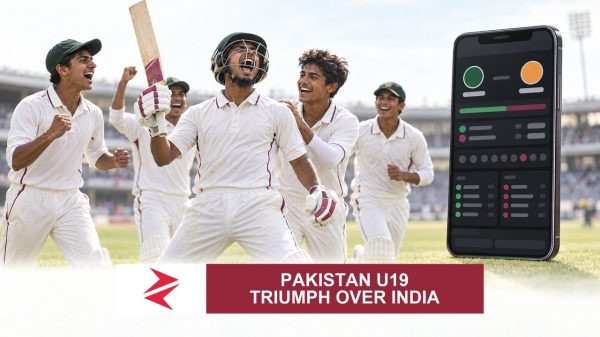
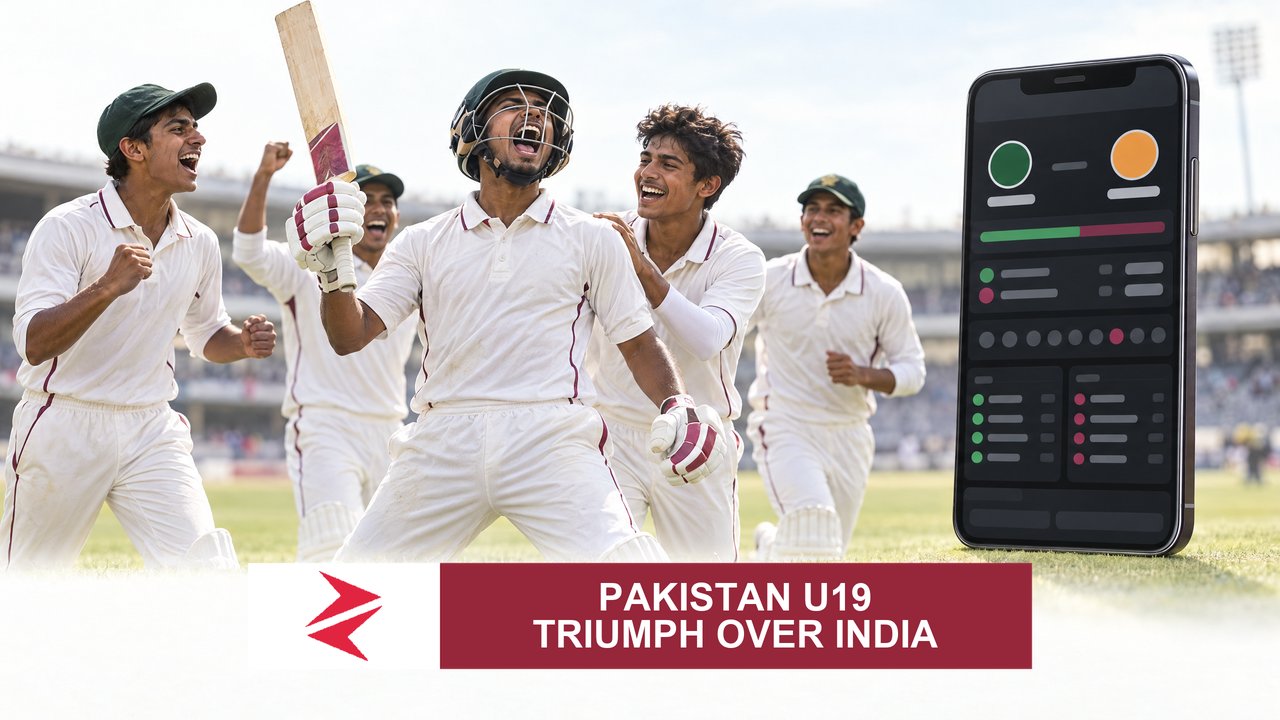
Pakistan’s decision to bat first, coupled with the explosive partnership of Usman Khan (83*) and Abdul Qadir (79*), shows a pipeline that values experience and form. India, meanwhile, must confront a stark reality: a bowling line‑up that cannot even keep the run‑rate under 8.0 in a final. The question now is whether the BCCI will overhaul its selection criteria before the next U19 cycle or continue to gamble on “young blood” that never materialises on the field.
As the match progresses, ordinary fans on both sides will be watching not just a game but a litmus test for institutional competence. The outcome will either vindicate Pakistan’s youth development model or force India’s administrators to answer the inevitable: When will you stop treating the U19 team like a political pawn and start treating it like a national responsibility?