

















Connect with Zorays

Hi, what are you looking for?

Opinions

Poverty Gini Coefficient: Pakistan Is Getting Poorer — And More Unequal

Pakistan’s poverty has surged from 21.9% to 28.2% since 2018-19 as incomes fell and inequality widened. The numbers demand structural reform.

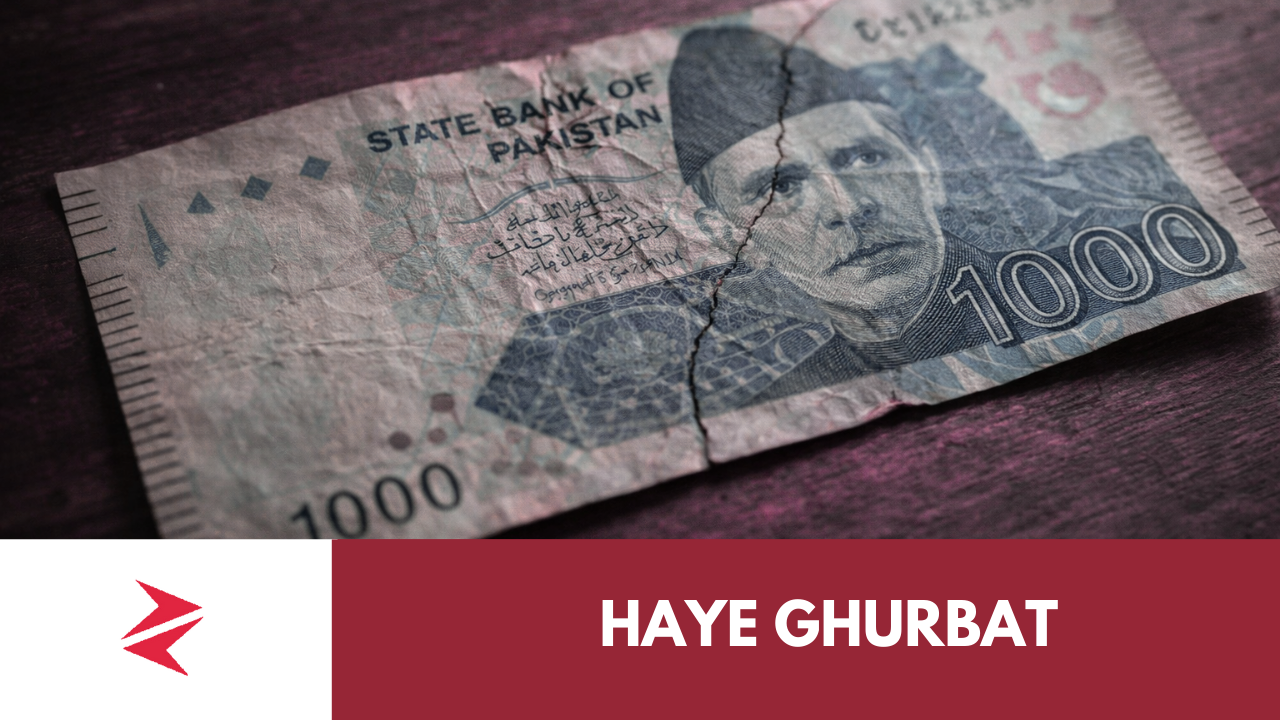
Worn Pakistani 1000-rupee banknote

The Political Noise vs. Structural Truth

Social media reactions reflect polarization. Some blame PTI. Others blame PML-N. Some argue pandemic shocks distorted data. Others question measurement standards. But beyond partisan exchanges, one fact stands firm:

Households are poorer. Inequality is wider. Growth has not translated into equitable relief.

Blaming one regime does not fix structural fiscal imbalance. A growth model overly dependent on debt cycles, energy import distortions, regressive taxation, and weak productivity inevitably leads to income compression.

The collapse in real incomes cannot be dismissed as political rhetoric. It is reflected in cost-of-living pressures, rising utility burdens, and reduced purchasing capacity.

International Poverty Line Context

It is also worth noting that the 28–29% poverty rate is not calculated using the updated $3/day international poverty line. Under that threshold, estimates suggest extreme poverty could exceed 16%, meaning roughly 39–40 million Pakistanis living in extreme deprivation.

These numbers demand seriousness — not Twitter theatrics.

What This Actually Signals

Six years of rising poverty and widening inequality signal:

• Structural fiscal imbalance
• Weak productivity growth
• Regressive policy design
• Poor incentive alignment in taxation and energy pricing
• Failure to protect real incomes

Without reforming taxation incentives, federal fiscal transfers, energy pricing structures, and human capital investment, poverty reduction will remain fragile and reversible.

The argument is not about restoring one regime or another. It is about redesigning the economic architecture so growth is inclusive, resilient, and productivity-driven.

Advertisement. Scroll to continue reading.
READ:   Pakistan’s Passport Ranks 98th: Progress, Optics, and the Hard Ceiling of Global Mobility

Pages: 1 2 3 4

Pages ( 3 of 4 ): « Previous12 3 4Continue Analysis »
Click to comment

Leave a Reply

Your email address will not be published. Required fields are marked *

You May Also Like

Business & Startups

Can Pakistan hit $30B textile exports? Data on energy tariffs, IPPs, Bangladesh’s rise, and the innovation gap shaping competitiveness.

World Affairs

UAE suspends 48- and 96-hour transit visas for Pakistanis. What it means for Emirates, Etihad stopovers, and regional travel strategy.

Technology & AI

PRSC-EO2 launch reshapes South Asia’s space debate as SUPARCO advances Earth Observation capabilities alongside ISRO’s expanding ambitions.

Society & Culture

Basant in Pakistan is not religious appropriation but a localised seasonal tradition that survived bans, borders, and identity politics.

Sports

Pakistan’s boycott of the India match exposes ICC hypocrisy, power imbalance, and the economics behind cricket’s politics.

Society & Culture

Explore the vibrant glossary of nouns and cultural terms featured in Basant Baharan — a high-energy Punjabi song celebrating the spirit of Basant. Discover...

Opinions

Pakistan cuts wheeling charges by Rs 4.04/unit and lowers export refinance rates to 4.5%. What changed, what didn’t, and why it matters.

Advertisement

Free Instagram Followers
Top