







































- Perspectives and Implications: The arrival of the first-ever Russian oil cargo in Pakistan marks the beginning of a new relationship between the two nations. Pakistani officials, including the Prime Minister, view this as a positive step towards economic growth, energy security, and affordability. Hammad Azhar, from the opposition, has criticized the importation, citing delayed action and insufficient quantities. He suggests that Pakistan could have saved significant foreign exchange if regular consignments had begun earlier.

- Refining Capacity and Product Value: The total refining capacity in Pakistan is approximately 19.4 million tonnes (Please note that the specific refining capacity figure is unavailable within the provided information. The data is accurate up to 8 Nov 2021).
Pakistani refineries produce fuels compliant with Euro 2 and Euro 4 standards. However, the production of Euro 5 fuels in the country is limited or non-existent. (Please note that the availability of Euro 5 fuels in Pakistani refineries is not mentioned in the provided information).
The final value of the products obtained after refining Russian crude oil has not been calculated within the provided information.
- Payment Channels and Supply Chain Stability: There is no mention of the initiation of talks for payment channels or discussions regarding supply chain stability in the provided information.
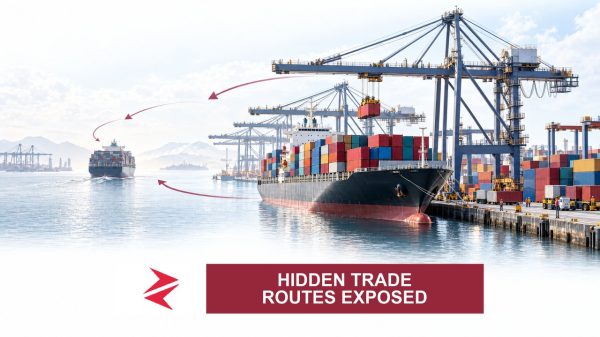
Conclusion: The shipping process involved in transporting Russian oil to Pakistan reveals the complexities of international trade and the dynamic nature of the oil industry. While the initial assumptions about the route proved incorrect, the revised journey showcases the interplay between multiple countries and the various stages of refining and transportation. As Pakistan celebrates the arrival of this significant cargo, the implications for the nation’s energy security and economic growth remain to be seen.