

















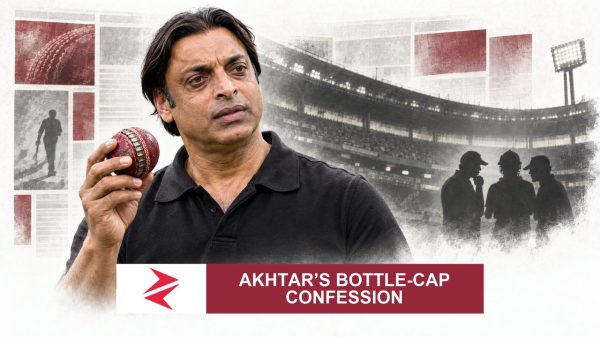

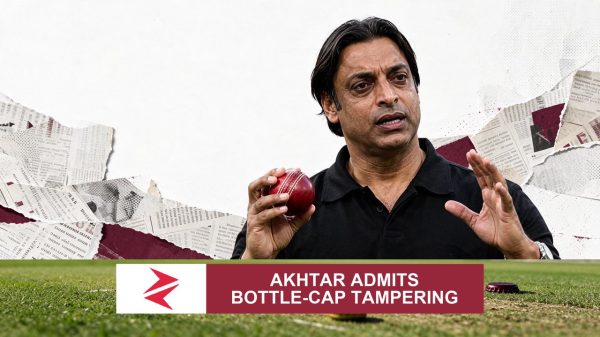
















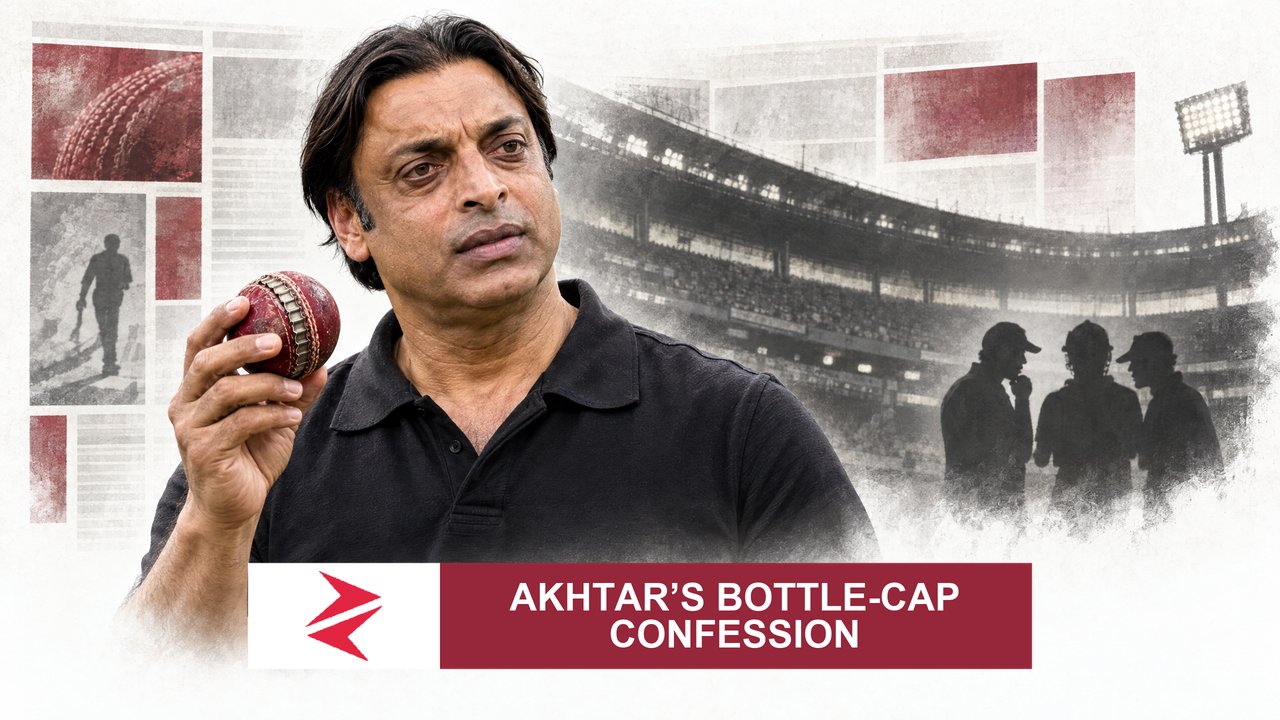
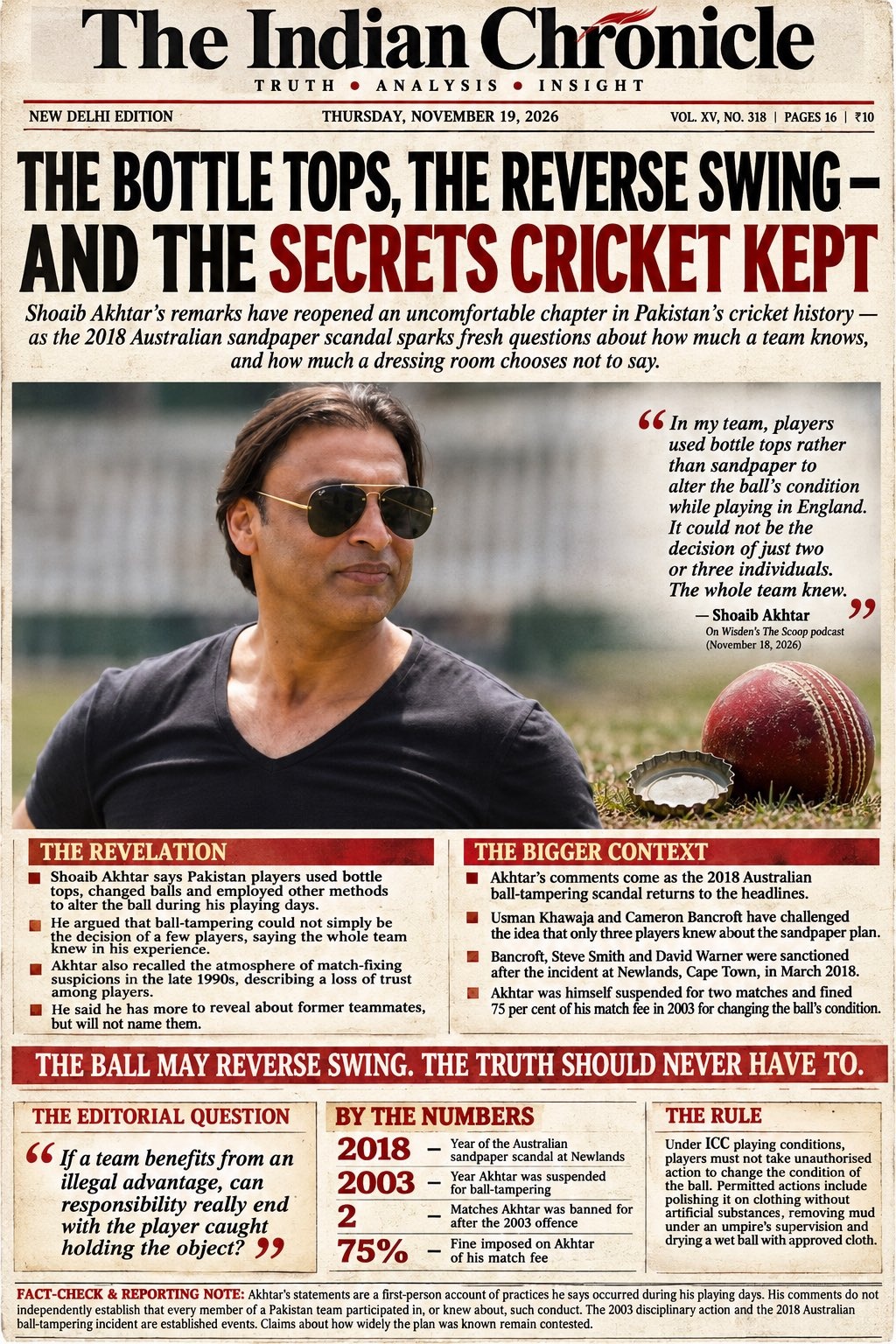
When the ICC slapped Australia with a six‑month ban for the 2018 sand‑paper scandal, the world cheered a rare moment of accountability. Yet a decade earlier, Shoaib Akhtar – the former ‘Rawalpindi Express’ – told Wisden that Pakistan’s fast bowlers “used bottle tops, not sandpaper in England. We used to change the balls and do all sorts of things.” The claim, reproduced in an Odisha Sambad article on 19 Nov 2026, is an attributed allegation, not a proven fact. Still, it forces a moral audit of the Pakistan Cricket Board (PCB) and of the fans who have been sold a myth of heroic swing.
What the record actually says
The only concrete evidence in the public domain is the quoted line in the Odisha Sambad piece (source) which attributes the bottle‑cap confession to Akhtar via Wisden. No match footage, no ICC investigation report, and no independent audit have surfaced. A X post by Mufaddal Vohra (19 Nov 2026) repeats the same quote verbatim, and Faizan Lakhani’s thread (18 Nov 2026) summarises it as “Shoaib Akhtar recalled how bottle caps were used for ball‑tampering during his playing days.” Both are secondary references that echo the same allegation without adding proof.
Why it matters to ordinary Pakistanis
Cricket is more than a sport in Pakistan; it is a weekly ritual that fills stadiums, fuels TV licences and keeps sponsors’ logos on shirts. A PCB‑commissioned report in 2022 documented a 12 % dip in domestic ticket sales after the 2019‑20 sand‑paper scandal. If the bottle‑cap confession gains traction, that dip could deepen. Young bowlers, who once idolised a fast‑bowling “machine” that could reverse‑swing a ball, now face a narrative that the swing was engineered by cheating, not skill. The public cost is tangible: lower attendance, shrinking broadcast rights, and a generation that questions whether the heroes on the field ever played by the rules.