




































Why the Joke Matters for Pakistani Users
Two concrete consequences flow from this swirl of humor, rumor, and data:
First, the perception that Telegram is a “criminal tool” solidifies. Even a tongue‑in‑cheek comment can cement the belief that the messenger is the default channel for illicit coordination. For citizens already wary of surveillance, that perception may push them toward less secure alternatives or, paradoxically, toward the very platform they distrust, assuming “if criminals use it, it must be safe.”
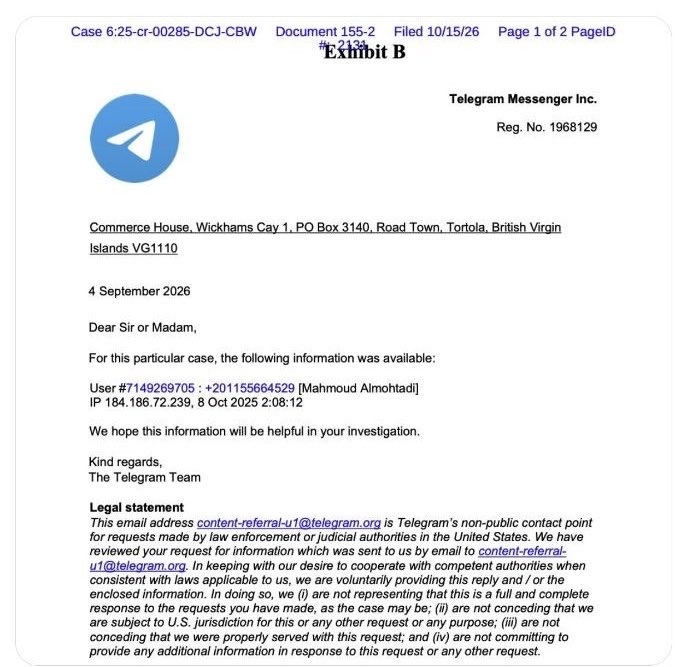
Second, the episode gives the Pakistani government fresh leverage. The Ministry of Interior has already used alleged Telegram misuse as a pretext for throttling and bans. A high‑profile joke – however unverified – provides a convenient headline for officials to argue that the platform enables “criminal enterprises without a single group,” justifying tighter controls.
Both outcomes impose a real cost on ordinary people: eroded privacy, a shrinking set of communication tools, and a higher likelihood of being caught in geopolitical tech battles.
What the Public Should Demand
Verification is the first demand. If Durov truly made the statement, a link to the original X post should be provided; without it, policy built on rumor is a dangerous precedent. Second, a regional breakdown of Telegram’s law‑enforcement compliance is needed. The 2024 report aggregates global data, but Pakistani users deserve specifics about requests originating from their own courts.
Third, affordable gaming infrastructure must become a priority. The frustration expressed by Pakistani gamers – “watch someone else play it on YouTube because you don’t own a console” – is a symptom of deeper economic disparity. Until consoles become affordable, the allure of a game that glorifies crime will continue to be filtered through whatever communication tools are available, be they Telegram, WhatsApp, or a cracked VPN.