




































Connect with Zorays

Hi, what are you looking for?

Opinions

USS Gerald R. Ford Toilet Crisis: Plumbing Failure, Propaganda, and the Politics of Perception

USS Gerald R. Ford plumbing failures explained: facts vs propaganda, VCHT system breakdown, sailor conditions, and geopolitical amplification.

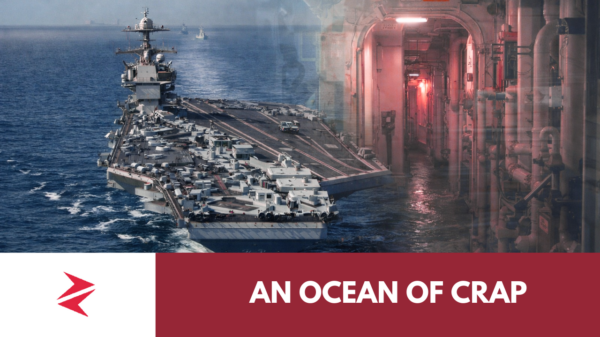
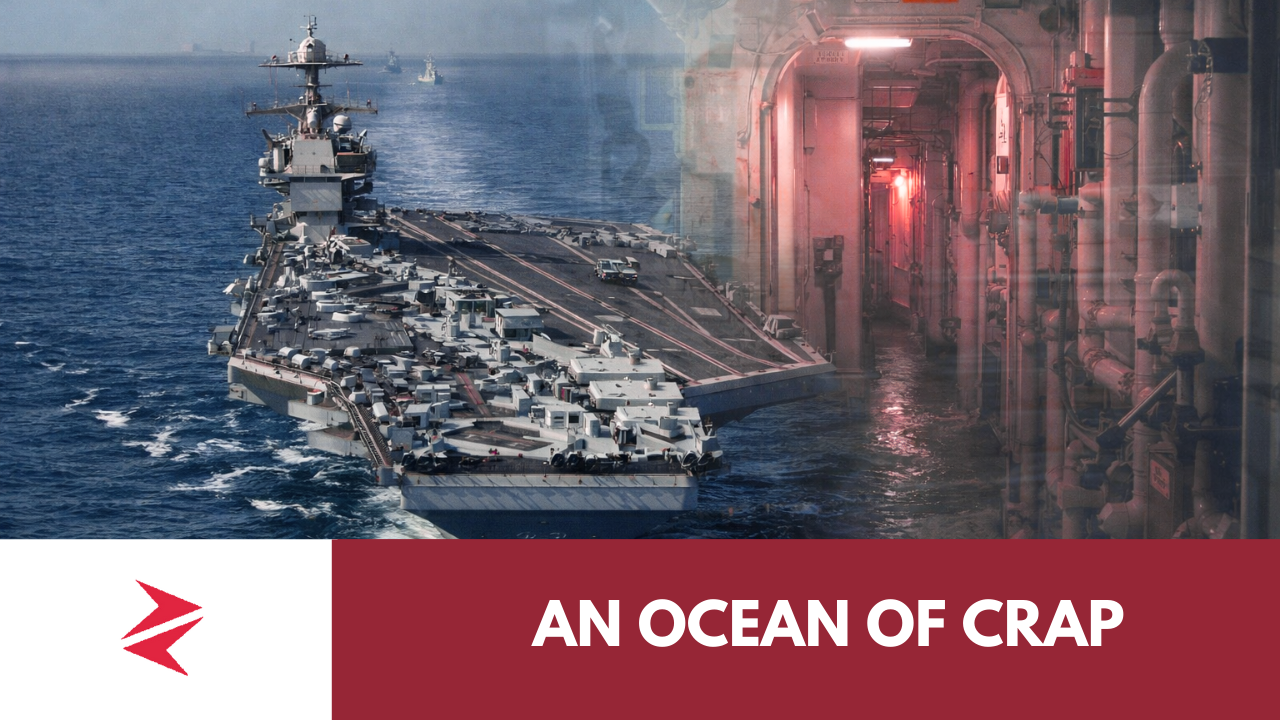
USS Gerald R. Ford aircraft carrier underway amid reports of VCHT vacuum plumbing issues during Middle East deployment

A $13 billion nuclear-powered aircraft carrier.
4,600 sailors.
650 toilets.
And suddenly — the internet declares American naval collapse.

The viral narrative surrounding the USS Gerald R. Ford’s sewage system failure has traveled faster than any F-35 launch off its deck. Claims of “80% toilets dead,” “emergency docking in Greece begging for toilets,” and “diaper deployments before Iran strikes” have flooded X (formerly Twitter), amplified by parody accounts and geopolitical adversaries alike.

But what is fact? What is exaggeration? And what is deliberate narrative warfare?

Let’s separate engineering failure from information manipulation.


What Is Actually Happening on USS Gerald R. Ford?

Multiple outlets including NPR and The Wall Street Journal have documented persistent issues with the ship’s Vacuum Collection, Holding, and Transfer (VCHT) wastewater system since commissioning (2017–2020).

Confirmed details:

  • Approximately 650 toilets (“heads”) serve ~4,600 personnel.

  • Chronic vacuum failures can disable entire zones.

  • Narrow piping and calcium buildup contribute to clogging.

  • When vacuum pressure fails, flushing does not pull waste downward — it can cause reverse backup.

  • Full system upgrades require dockyard-level repair.

Navy statements indicate:

  • No operational impact to combat readiness.

  • Ongoing improvements.

  • No verified “explosion” or emergency toilet-related port requests.

The viral claim that 80% of toilets are unusable appears exaggerated, but the plumbing problems themselves are real and recurring.

That distinction matters.

Advertisement. Scroll to continue reading.
READ:   India’s Strategic Withdrawal from Iran’s Chabahar Port Under U.S. Sanctions Pressure

Pages: 1 2 3 4

Pages ( 1 of 4 ): 1 234Continue Analysis »
Click to comment

Leave a Reply

Your email address will not be published. Required fields are marked *

You May Also Like

World Affairs

A strategic deep dive into Iran nuclear negotiations, US credibility, BRICS geopolitics, and the evolving extremist landscape toward 2026.

World Affairs

India has exited the Chabahar port project under U.S. sanctions pressure despite completing its $120 m commitment, reshaping regional trade strategy and geopolitical alignment.

Sports

Arshad Nadeem, hailing from Mian Chunnu, Khanewal, has made Pakistan proud on the world stage. Born on January 2, 1997, this 27-year-old athlete stands...

Opinions

I had a conversation with a US war veteran and military strategist (name not disclosed for confidentiality) with decades of experience, including high-ranking positions...

World Affairs

In the summer of 1919, amidst the third Anglo-Afghan war, a fresh conflict emerged in the highest reaches of the Hindu Kush mountains, where...

World Affairs

In the wake of decades-long instability in Afghanistan, it is imperative for regional powers to come together and forge a comprehensive solution for lasting...

Advertisement

Free Instagram Followers
Top