



































Bandwidth and security stakes
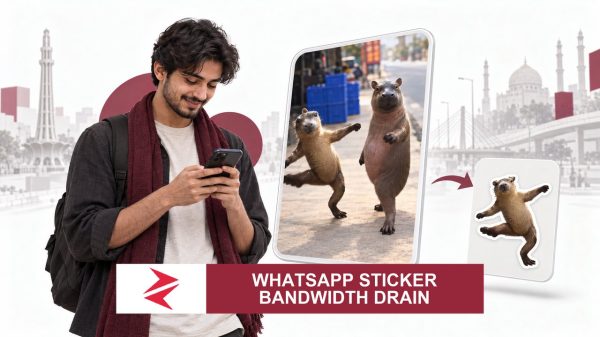
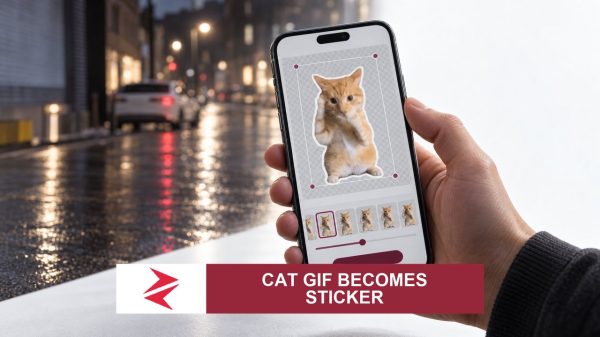
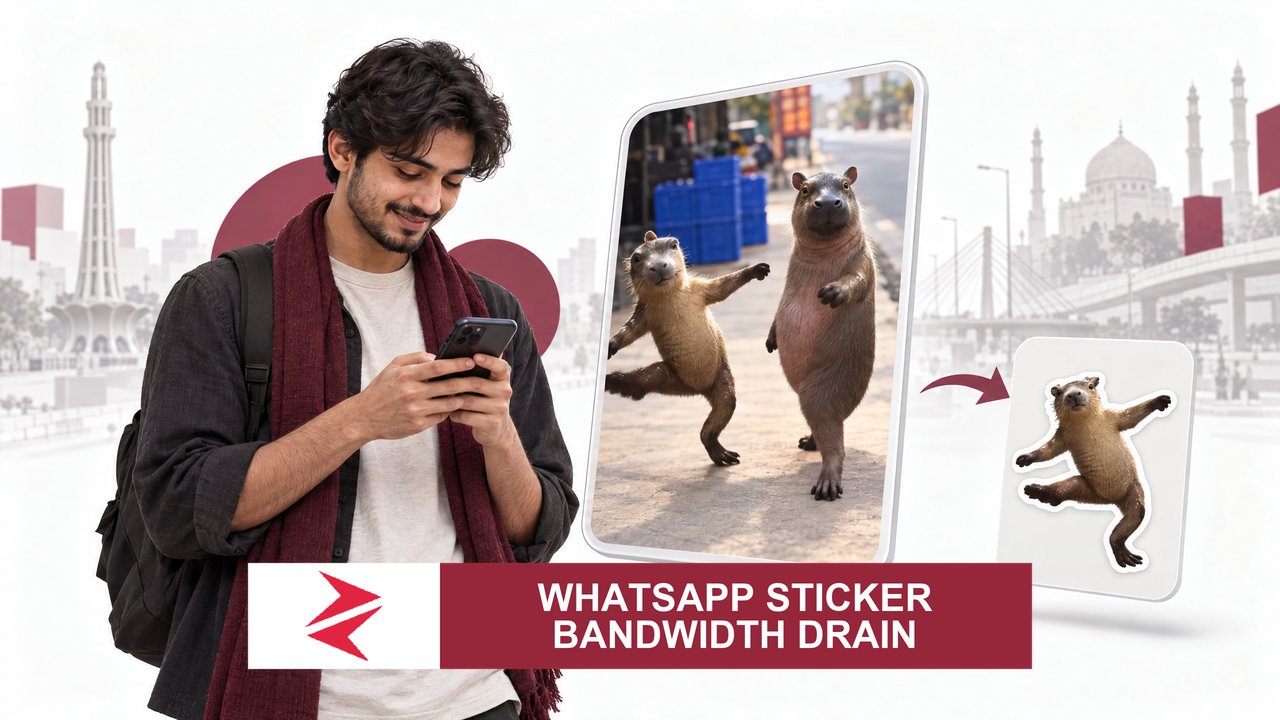
Pakistan’s average mobile data plan still costs more than $5 for 2 GB, and a single MP4‑encoded GIF can consume 1‑2 MB. Multiply that by thousands of users following the same tutorial, and the cumulative load becomes measurable – a silent strain on telecom infrastructure already battling congestion during peak hours. Moreover, the process requires users to hand the file to a contact, open it, and tap the sticker icon, exposing the device to any hidden payload a malicious GIF could embed. While WhatsApp’s end‑to‑end encryption protects message content, it does not safeguard the endpoint from compromised files.
Who bears responsibility?
Meta’s WhatsApp offers a built‑in sticker creator, yet it provides no guidance on safe sourcing. The onus falls on platform designers to flag potentially harmful media, and on telecom regulators to educate consumers about data hygiene. The same platform that the Pakistan Army reportedly abandoned for WeChat – as detailed in my earlier piece Pakistan Army Reportedly Ditches WhatsApp for WeChat – is now being used by ordinary citizens for a practice that threatens both bandwidth and security.
Public cost versus fleeting amusement
Every minute a user spends downloading, cropping, and testing a sticker is a minute not spent on work, study, or genuine communication. The collective opportunity cost, when scaled to the nation’s 200 million mobile users, is not trivial. The meme’s amusement factor fades quickly, but the data bill and the risk of a compromised device linger.














