































Why the shutdown happened – and why it mattered
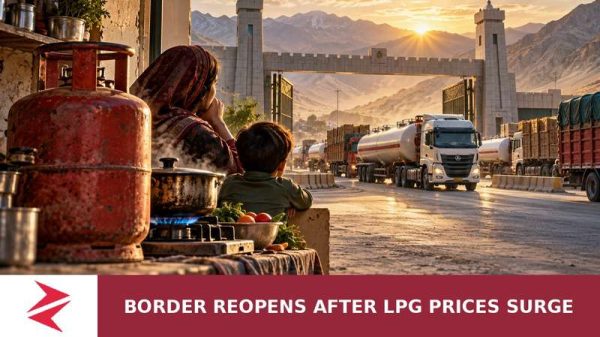
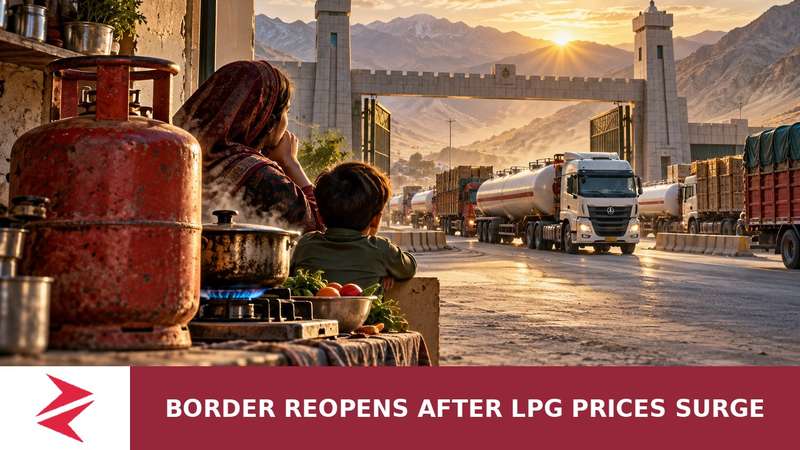
The official line, echoed in a tweet from Iran’s ambassador to Pakistan, was that “there are currently no restrictions on the Iranian side.” That statement merely confirms that Iran did not impose a formal export ban; it does not explain why the Pakistani side halted commercial traffic. The Economic Times article framed the closure as a “security concern” and a “withdrawn import waiver,” but offered no data on the nature of the threat, the duration of the ban, or the cost‑benefit analysis that justified it.
In the absence of a clear security rationale, the most plausible explanation is bureaucratic inertia coupled with political pressure. The week‑long suspension coincided with heightened diplomatic friction over US sanctions on Iran, a narrative that some commentators on X amplified by claiming the closure was “under pressure of the US.” Those claims lack any official US statement, yet they have been recycled in the public discourse, adding a layer of external blame that distracts from domestic accountability.
The economics of a week‑long closure
Pakistan imports roughly 8 % of its land‑based LPG through the Iran corridor. A week without that flow forces importers to turn to maritime routes, which are slower and more expensive. Shipping a 12‑kg cylinder by sea adds at least PKR 300 to the cost, not to mention the logistical lag that pushes market prices upward. The Hormuz Letter’s 56 % price jump is consistent with a supply shock of that magnitude.
When the two LPG ships finally docked, the headline promised a “possibility of price decrease,” but the market response was muted. Prices fell only marginally over the next ten days, indicating that the supply gap had already been partially filled by hoarded stocks and black‑market imports. In other words, the reopening helped stop further escalation but could not reverse the damage already inflicted on household budgets.
Who should be held accountable?
The chain of responsibility is clear. The Ministry of Commerce, which issued the import waiver withdrawal, failed to conduct a rapid impact assessment. The Ministry of Interior, which cited “security concerns,” did not publish any threat analysis to justify halting trade at a critical energy corridor. The National Assembly’s oversight committees have yet to summon the officials for a hearing, allowing the narrative of “security” and “foreign pressure” to remain unchallenged.