




















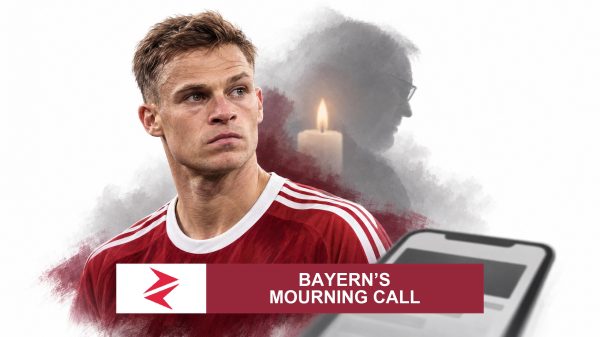




















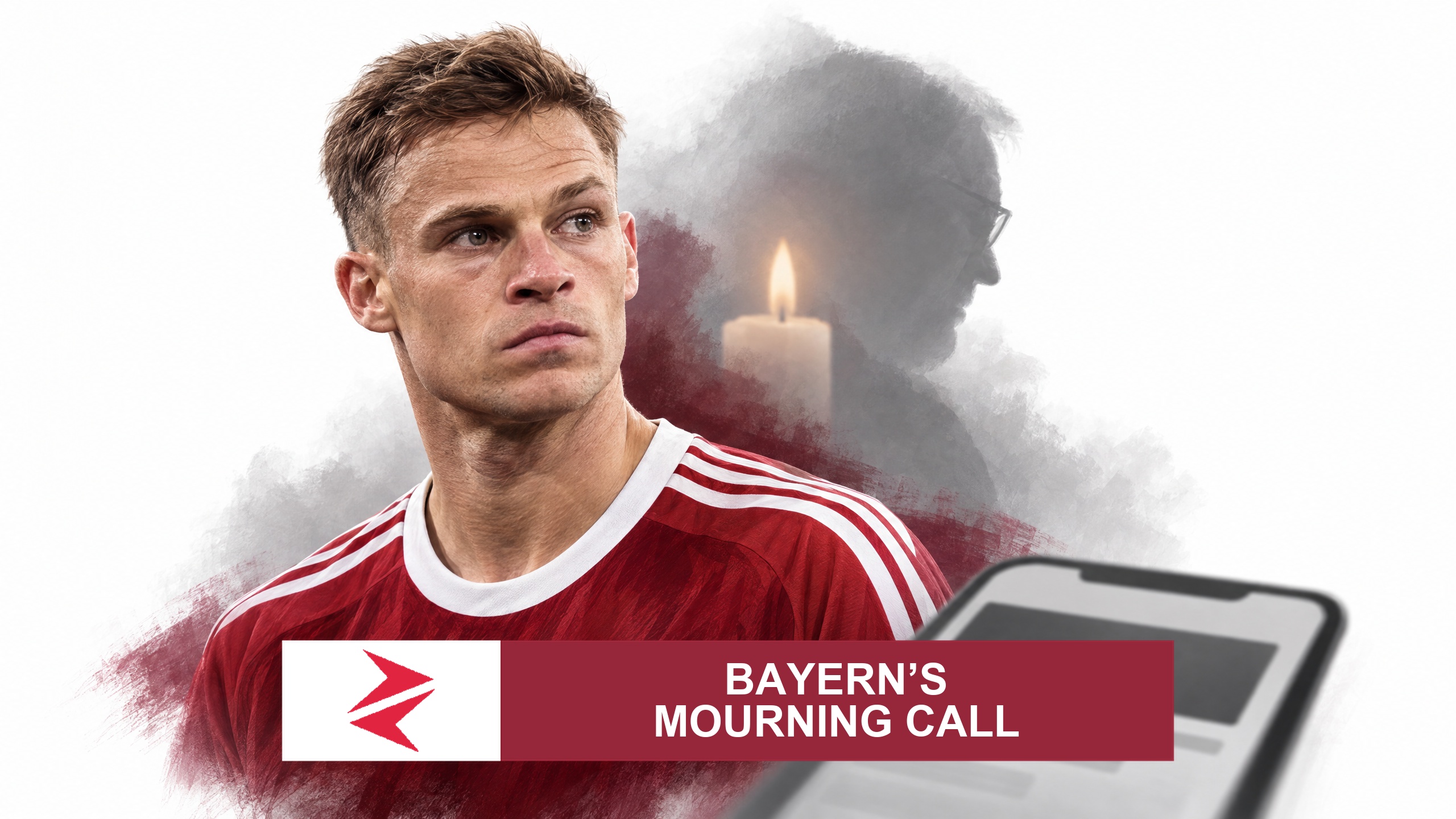
Fans may still discuss how a team adapts when a key player is unavailable. That is a legitimate sporting conversation when it stays with football: selection, roles, and the match itself. It does not require guessing when Kimmich will return or describing what his family is experiencing. Any update on his availability should come from Bayern or Kimmich, and should be reported only to the extent that it has been made public.
The public record is brief, and the coverage should respect that. Bayern said Kimmich was absent because of a death in his immediate family and asked for privacy. Reuters reported the squad news. Beyond those confirmed points, the responsible course is not to speculate. Sports journalism can inform supporters about the game while recognizing that a player and his relatives retain a private life beyond it.
Sports coverage is strongest when it separates a player’s professional commitments from intimate family events. A verified absence can be newsworthy because it affects a match; the private loss behind that absence does not become a second news assignment. The boundary is especially clear when a club expressly asks the public to stop inquiries. Editors can acknowledge the request, explain the confirmed team consequence, and then move coverage back to football.













