



























Why the drama matters
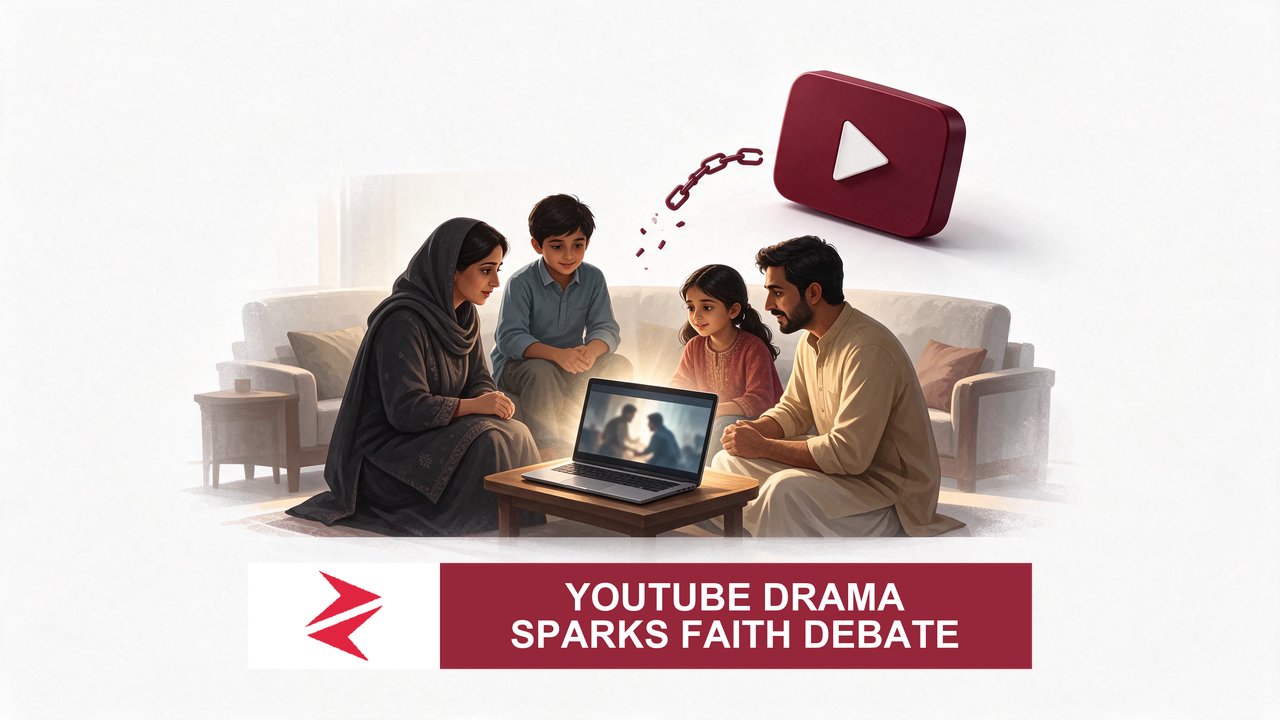
In a media landscape saturated with imported Turkish dramas and Bollywood blockbusters, a locally produced series that ties romance to faith offers a rare point of identification. The enthusiasm around Dar‑e‑Nijaat proves that ordinary families are hungry for stories that mirror their moral and emotional realities. At the same time, the “cringe” criticism highlights a cost: viewers waste data on a sub‑par product because no better alternative exists.
Systemic gaps in Pakistani streaming
The series landed on YouTube because government subsidies for television production have stagnated and private broadcasters chase the guaranteed TRPs of imported hits. The Pakistan Telecommunication Authority has yet to incentivise local OTT platforms with tax breaks or bandwidth subsidies, forcing creators onto a free, globally accessible platform that offers no quality control. This vacuum lets derogatory remarks like Kat’s “paki show” proliferate, feeding anti‑Pakistani propaganda that paints our media as inferior. (Kat, X) Such comments are allegations, not verified facts, but they thrive where institutional support is missing.
Public cost and the way forward
Every minute a family spends streaming a low‑budget drama on a data‑hungry connection is a minute of disposable income diverted from education or work. The lack of quality oversight also harms Pakistan’s cultural reputation abroad. To break the cycle, the state must allocate dedicated funds for script development, grant tax incentives to local OTT services, and enforce baseline technical standards. Private investors should view the evident appetite for faith‑aligned storytelling as a market opportunity, not a niche curiosity.