



























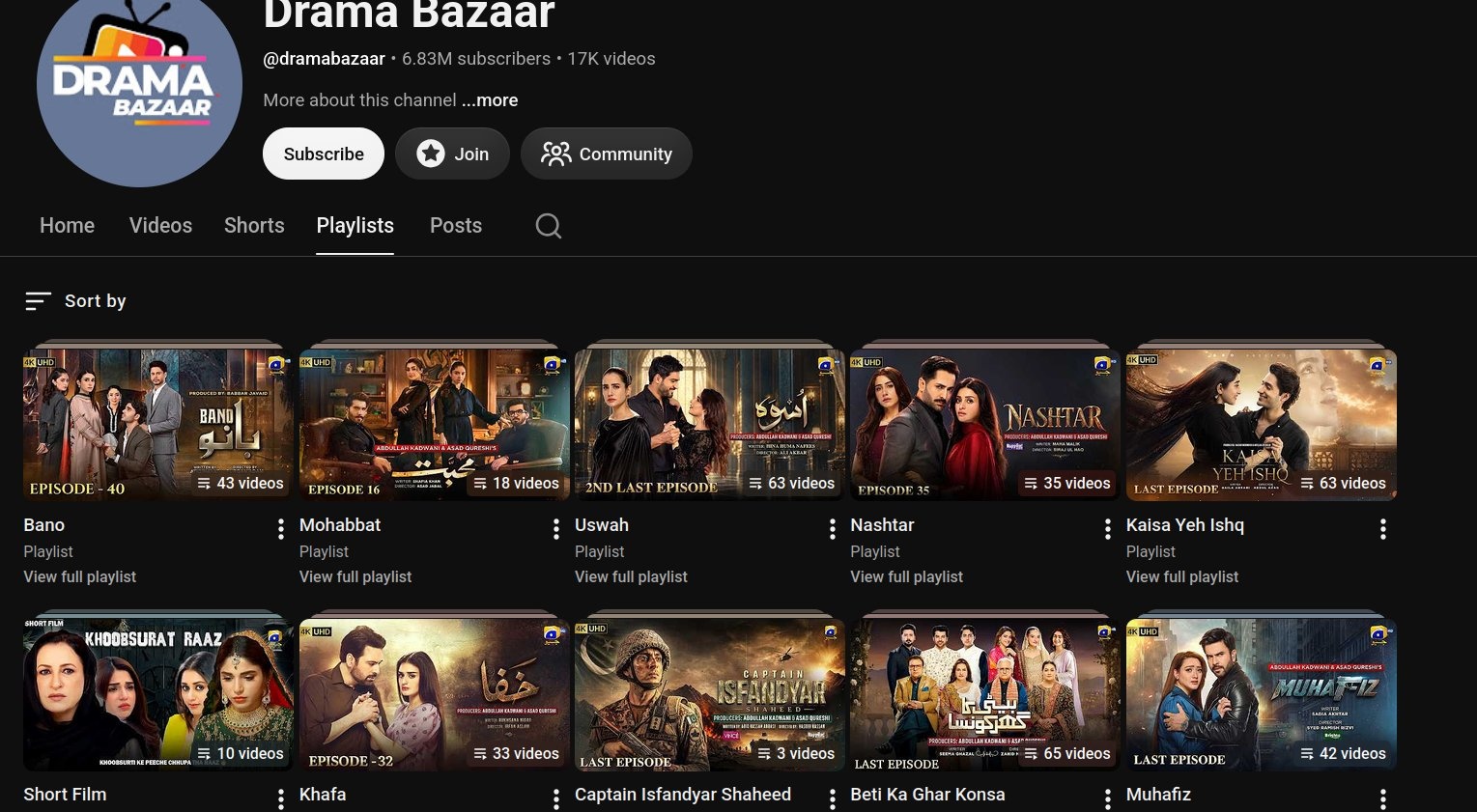
Other users, such as @aatannkwadi, dismiss the drama entirely, urging viewers to “watch Indian serials” instead. A handful of commenters resort to slurs and profanity, turning the debate into a profanity‑laden echo chamber rather than a factual discussion. The only factual counter‑point is a screenshot of a YouTube search that shows a “Dar‑e‑Nijaat” episode with 1.4 million views uploaded a day ago – a clear indication that the series circulates freely online, contradicting the claim of an enforced ban.
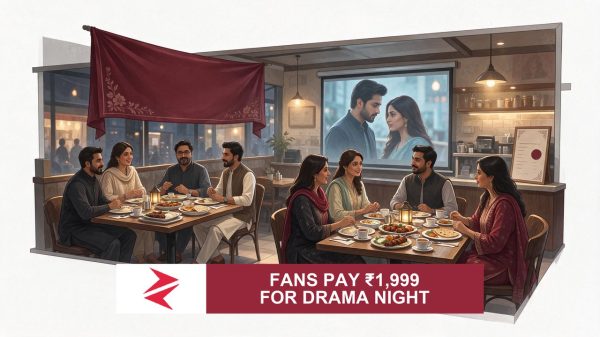
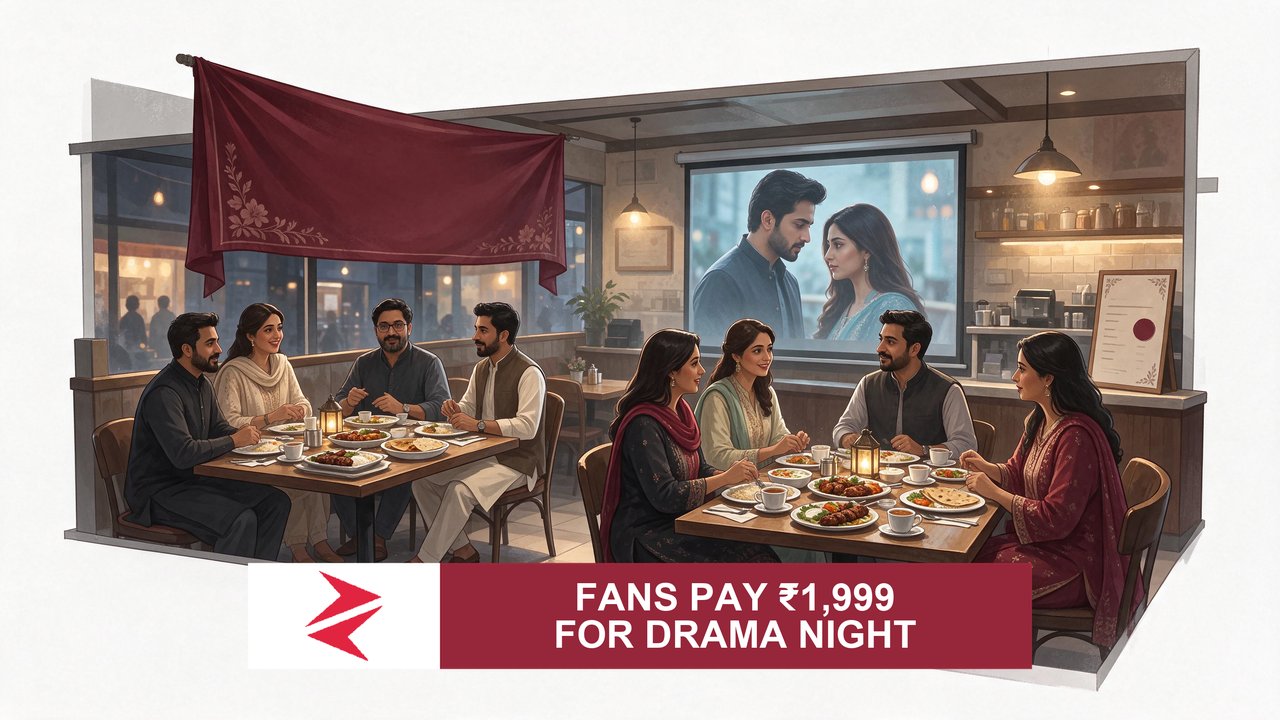
Beyond the noise, the real stakes belong to the ordinary people who will spend nearly two thousand rupees for a 30‑minute show. In a country where the average monthly disposable income for a middle‑class household hovers around ₹30,000, that fee represents more than six percent of a family’s leisure budget. It is money that could otherwise buy groceries, school fees, or a modest family outing. The event also raises a question of regulatory oversight: are the organisers complying with Indian law on foreign‑origin media? No official statement from the Ministry of Information and Broadcasting or the Ministry of Home Affairs has been recorded, and the Indian government’s list of banned foreign channels does not currently name the YouTube channels cited by @M_Khuman33.
When the debate is stripped of its vitriol, what remains is a simple consumer‑rights issue. The fans are paying for a curated experience – a dinner, a dress‑code, a sense of community – that they could have obtained for free on YouTube. The organisers profit from that markup, while the broader narrative tries to paint the event as a national‑security threat without providing any documentary proof. This mismatch between perception and evidence is precisely why the public deserves a clear answer from the authorities.