























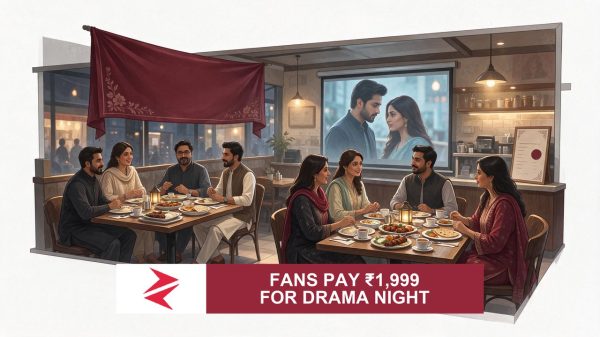




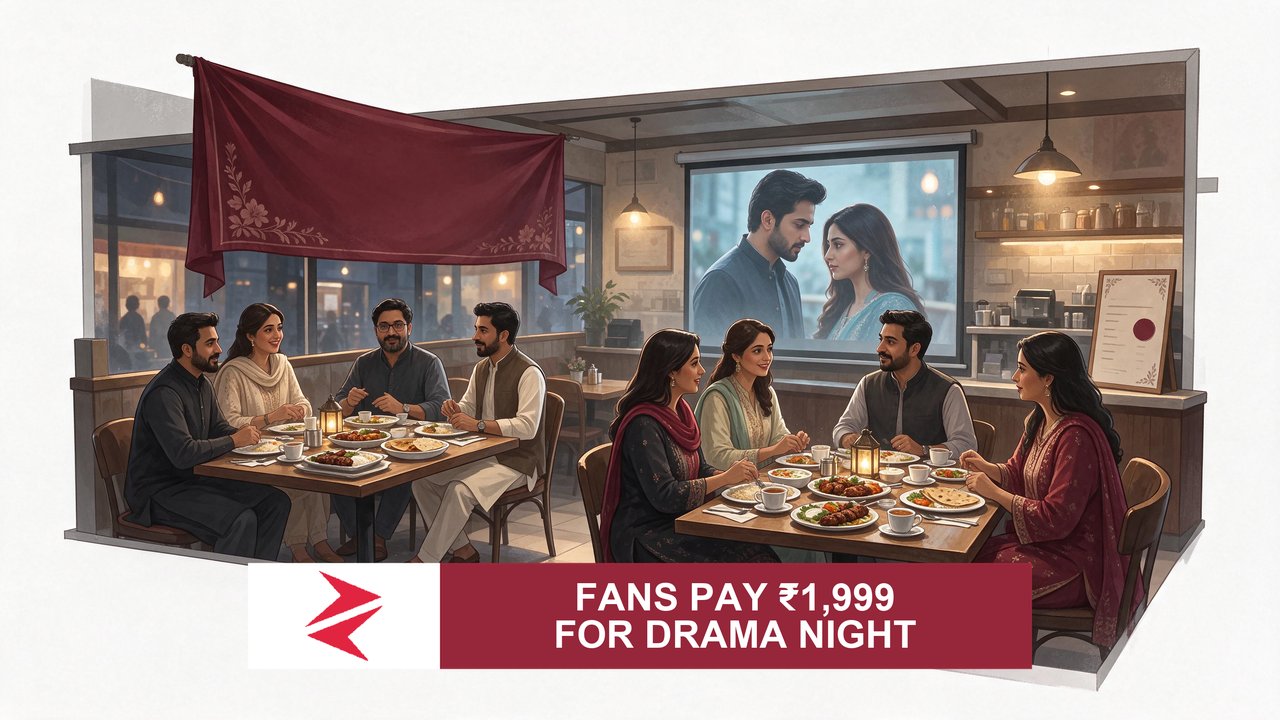
On 28 November 2026 a crowd of self‑declared fans will file into Sheesh Kebab, Frazer Town, Bengaluru, to watch two episodes of the Pakistani drama Dar‑e‑Nijaat for a hard‑earned ₹1,999 per head. The event is not a spontaneous street‑side binge; it is a meticulously marketed ticketed affair advertised on X by @Anviksha_, complete with a Persian‑Arabian dinner, hi‑tea spread, personalised keepsakes, and a dress‑code that insists on “your best Pakistani ensemble”. The same flyer mentions a second, private‑theatre screening on 5 December at Mowie Private Theatre, also under the banner of The Star Club.
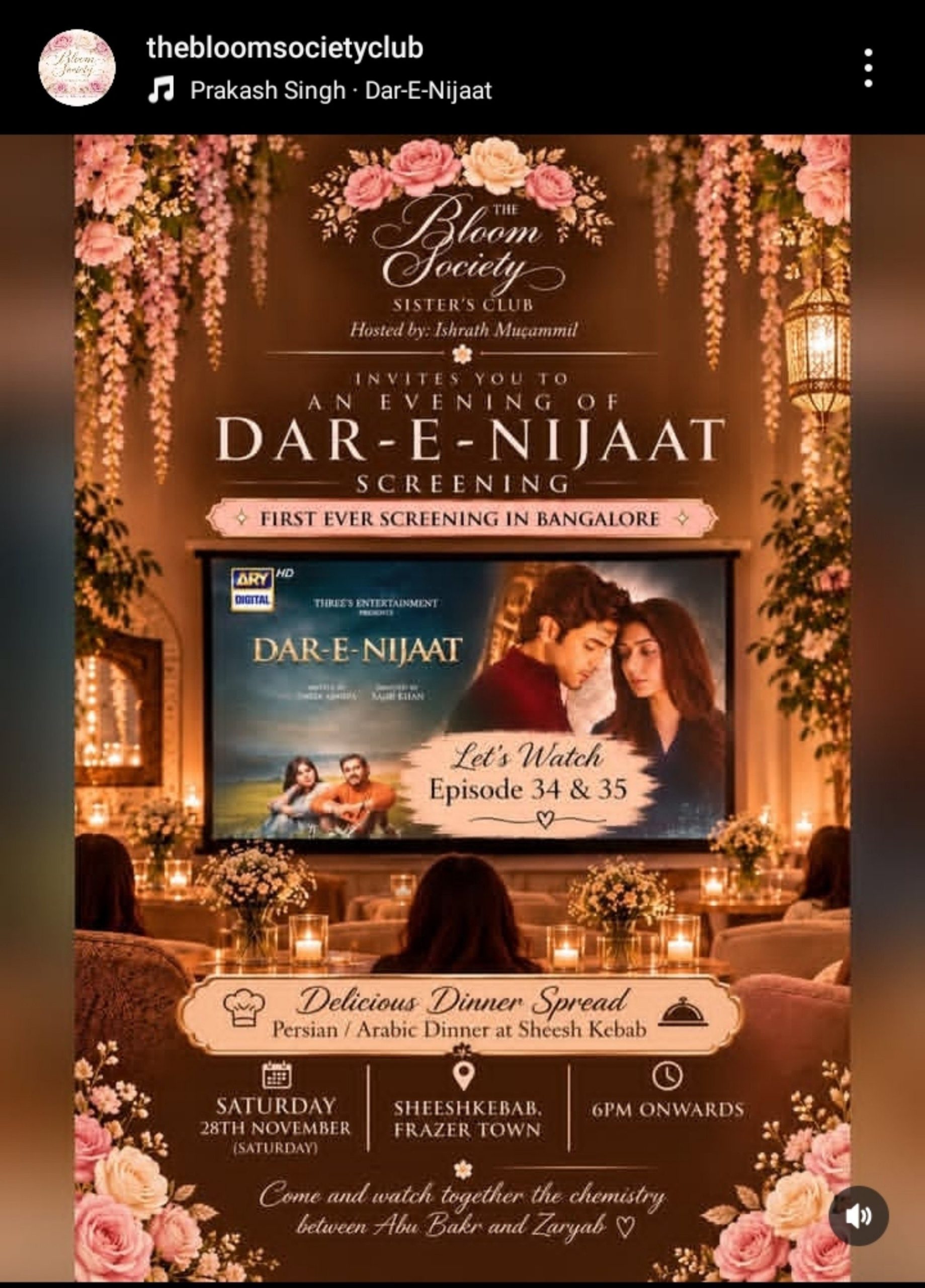
These details are verifiable: the X post lists the date, venue, entry fee and the menu, while the accompanying images (see the carousel graphics posted by @Anviksha_) confirm the organisers – The Bloom Society’s sister‑club and The Star Club – as the hosts. No government notice, no court order, and no official ban is cited; the event is simply a commercial entertainment gathering, priced like any other private screening in the city.
What turns a modest fan night into a flashpoint is the chorus of opinion that has erupted around it. Zarrar Khuhro (@ZarrarKhuhro) warned, “What if the Pakistani drama you’ve been romanticising is part of a much bigger threat to our National Security?” He offers no evidence, merely a personal investigation that never materialises into a document, a police report, or a court filing. Similarly, @Madzie2025 claims the drama is “banned in India” and that its online monetisation is illegal, yet the YouTube channel “Drama Bazaar” (6.8 M subscribers) and “Top Pakistani Dramas” (13.8 M subscribers) openly host episodes, proving the content is publicly accessible on a platform that is not blocked in India.