
























What would make this a Pakistani industrial transition?
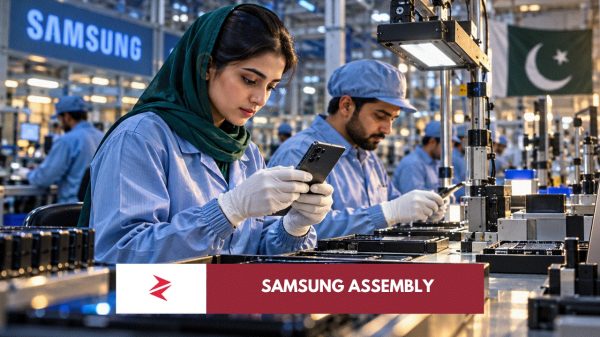
A reader’s call for indigenous car companies deserves more than a patriotic nod. Supporting local ownership and design could deepen Pakistan’s capability, but assigning government purchases alone would not make a new vehicle safe, competitive or affordable. A serious programme would set measurable standards for engineering, parts localisation, testing, warranty support and procurement, while giving emerging firms a route to scale. The same discipline should apply to foreign-backed assembly: count the skilled jobs, locally sourced parts and working service centres, then publish progress.
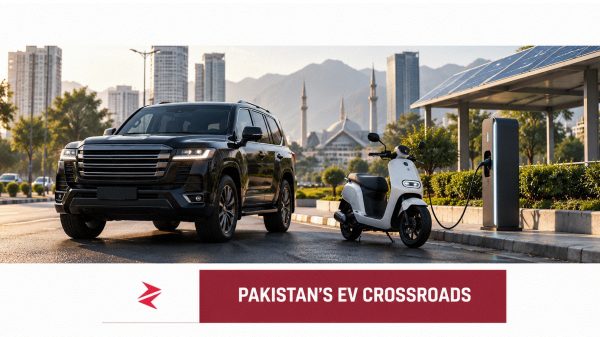
The stakeholders are clear. Automakers want sales; charging operators need utilisation; lenders need borrowers who can repay; the state wants less exposure to imported fuel; and families want transport that works every morning. These interests can reinforce one another, but only if the cost and practical risk of ownership improve for ordinary Pakistanis. Otherwise the market may produce an impressive stream of premium launches while leaving its largest mobility needs largely untouched.
Are the vehicles on the circulating list confirmed for Pakistan?
The cited post names prospective launches. It does not establish confirmed Pakistani launch dates, final variants or prices for every model. Treat each as prospective until the relevant company publishes local details.