


















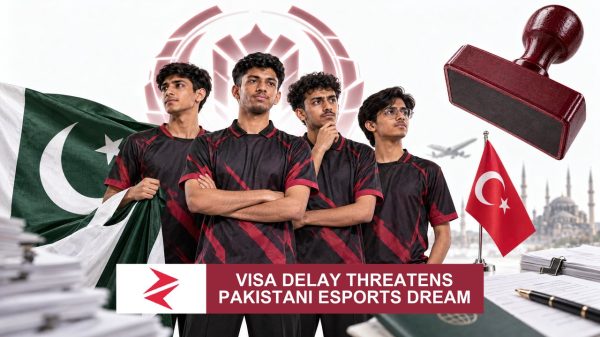



















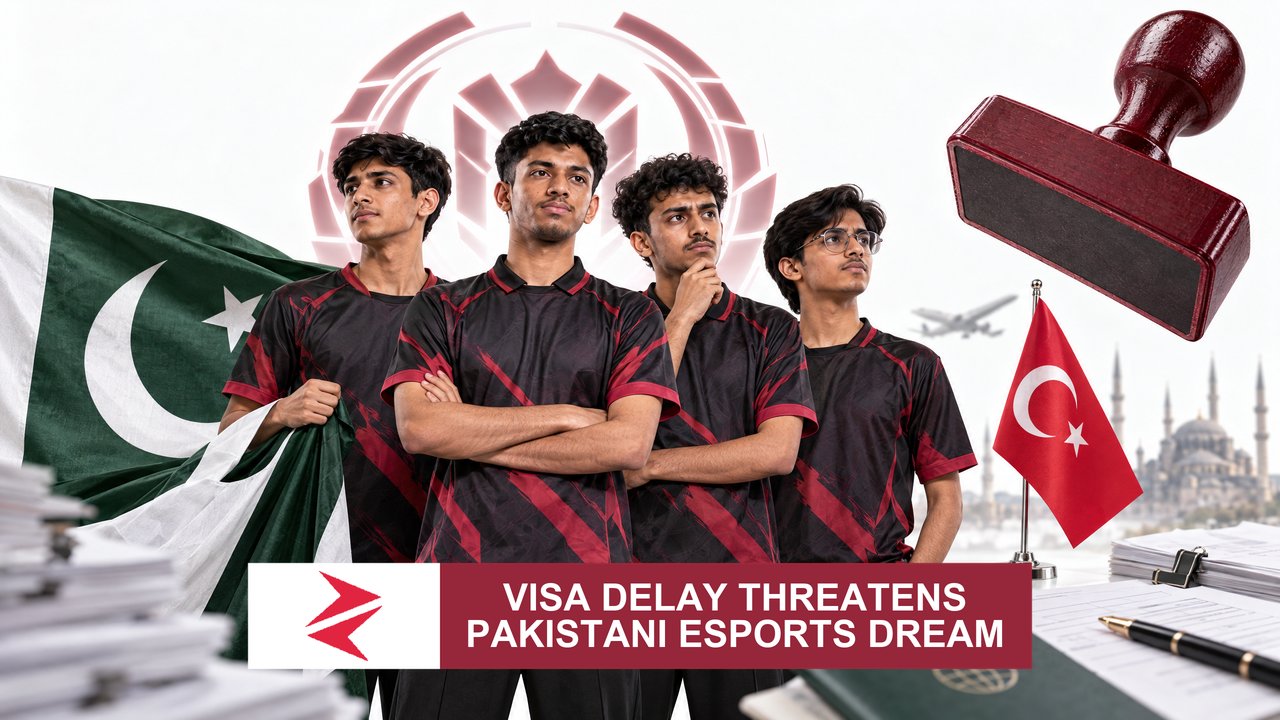
When a team that has already hoisted an international trophy finds itself stuck at a consular desk, the failure is not theirs – it is ours. The founder of 4Thrives Walee, known on X as @falakpubgm, announced in a tweet that his squad had officially qualified for the PUBG Mobile Global Championship (PMGC) in Turkey and that they had filed visa applications on 2 November 2026, which were still pending as of mid‑November. “Our team, 4Thrives Walee, officially qualified for the PUBG MOBILE Global Championship (PMGC), which will be held in Turkey. We submitted our visa applications on 2 November, but they are still pending.” This single line, posted on 12 November, is the only verifiable evidence we have of both qualification and the bureaucratic bottleneck.

The stakes are far beyond a few pixels on a screen. PMGC carries a $3 million prize pool, and the tournament’s global viewership runs into the tens of millions. For a country that already struggles to fund its cricket and football federations, each dollar earned on an international stage translates directly into foreign exchange, jobs for support staff, and a morale boost for the millions of Pakistani youths who see esports as a viable career. The public cost of a delayed visa is therefore measurable: a lost share of the prize money, a missed opportunity to showcase Pakistani talent, and the erosion of a hard‑won reputation built on the Asian Games bronze and the PMGO 2026 title.
What makes the situation more galling is the sheer volume of public outcry. Influencer Hina Afridi, a well‑known voice in the local gaming community, tweeted, “Full support for our Pakistani teams. I hope this issue gets resolved quickly. The concerned department should treat it as a priority.” Similar pleas poured in from dozens of accounts, each tagging the Ministry of Foreign Affairs, the Turkish Embassy, and the Pakistan Cricket Board’s (yes, the PCB) chairman Mohsin Naqvi – a reminder that the country’s sports bureaucracy is already accustomed to lobbying for visas in cricket and football.
Yet, unlike the cricket board, which can summon a minister’s aide to fast‑track a player’s visa, the esports federation has no such clout. The repeated hashtag #Visafor4T became a digital banner of frustration, but a hashtag does not move paperwork. The community’s deadline of 16 November, echoed by users like @aliimran189, is a self‑imposed deadline, not an official embassy notice. The absence of any embassy statement confirming receipt or denial of the applications turns the whole affair into a guessing game, and the guesswork is being played at the expense of ordinary Pakistani gamers who have spent years grinding for a chance to represent their flag.
Why does this matter to the average citizen? Because the government’s failure to streamline visa processes for a legitimate sporting event signals a deeper institutional malaise. If a cricket team can secure a visa within days, why does a globally ranked esports team – a team that already generated over six million views in a week, as highlighted by @Ahsan_Tahir – have to beg on social media? The answer lies in the lack of a dedicated esports ministry or a clear protocol for digital‑sport delegations. The result is an ad‑hoc, reactive system that leaves athletes at the mercy of overburdened consular staff.