




































Who really pays?
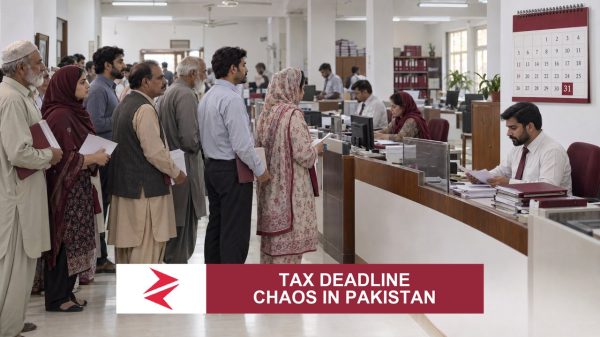
Small‑business owners already wrestling with cash‑flow constraints now have to allocate resources to navigate a moving deadline. Salaried employees, many of whom receive no tax‑planning assistance, face confusion over compliance and risk penalties for missing a deadline that keeps shifting. The repeated extensions also embolden opposition parties to brand the FBR as either incompetent or punitive, turning a technical failure into a politicised blame game.
What needs to change
First, the FBR must invest in a stable, user‑friendly filing platform; without it, extensions become a band‑aid rather than a solution. Second, the board should set a firm, publicly communicated deadline and stick to it, allowing taxpayers to plan with certainty. Finally, accountability mechanisms – parliamentary oversight and performance‑based budgeting for the FBR – are essential to align the board’s incentives with the public’s interest rather than bureaucratic convenience.
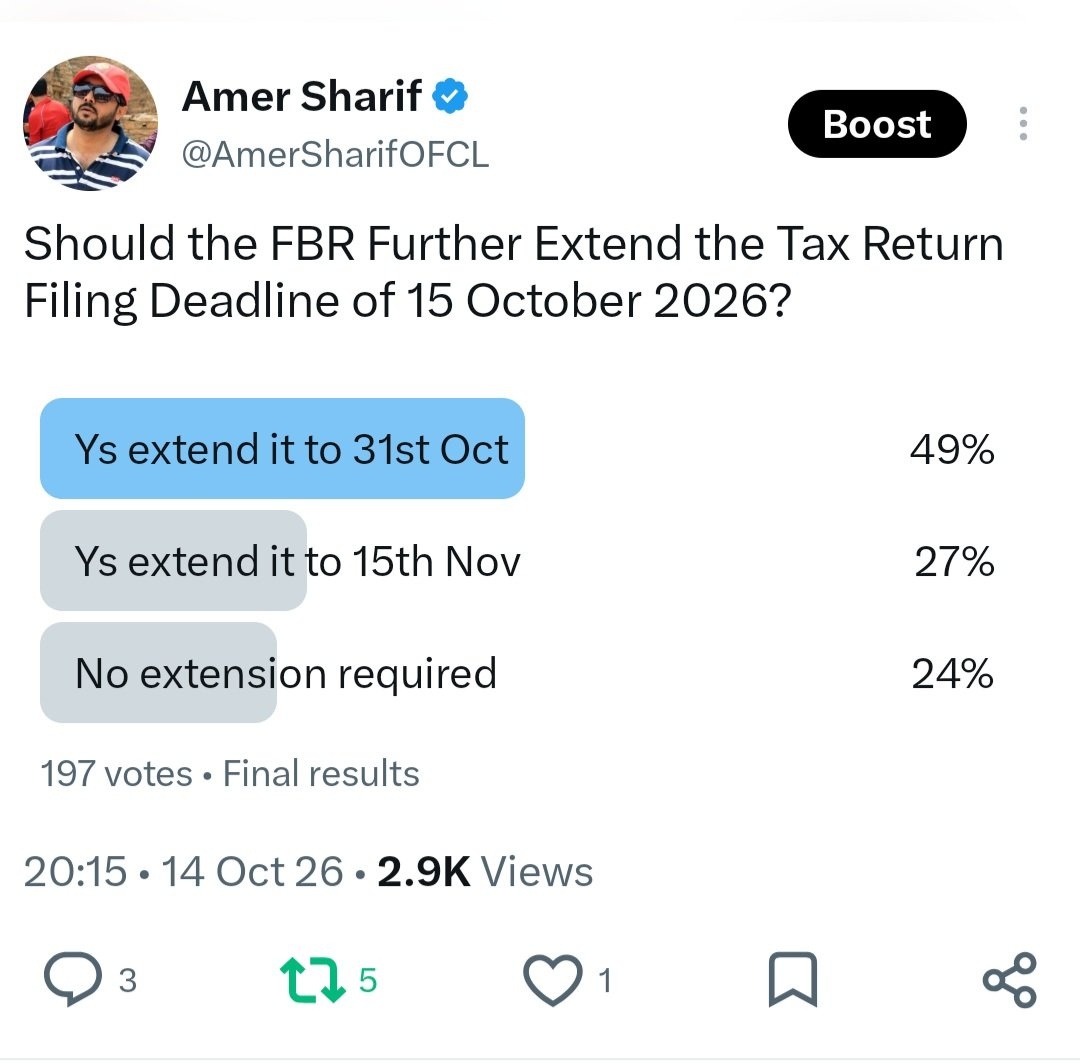
The evidence is clear: the deadline was officially moved to 31 October 2026, but the rationale offered masks deeper systemic flaws. The real question now is whether the FBR will use this extra time to fix its processes or simply reset the clock again, leaving honest Pakistanis to foot the bill.