





































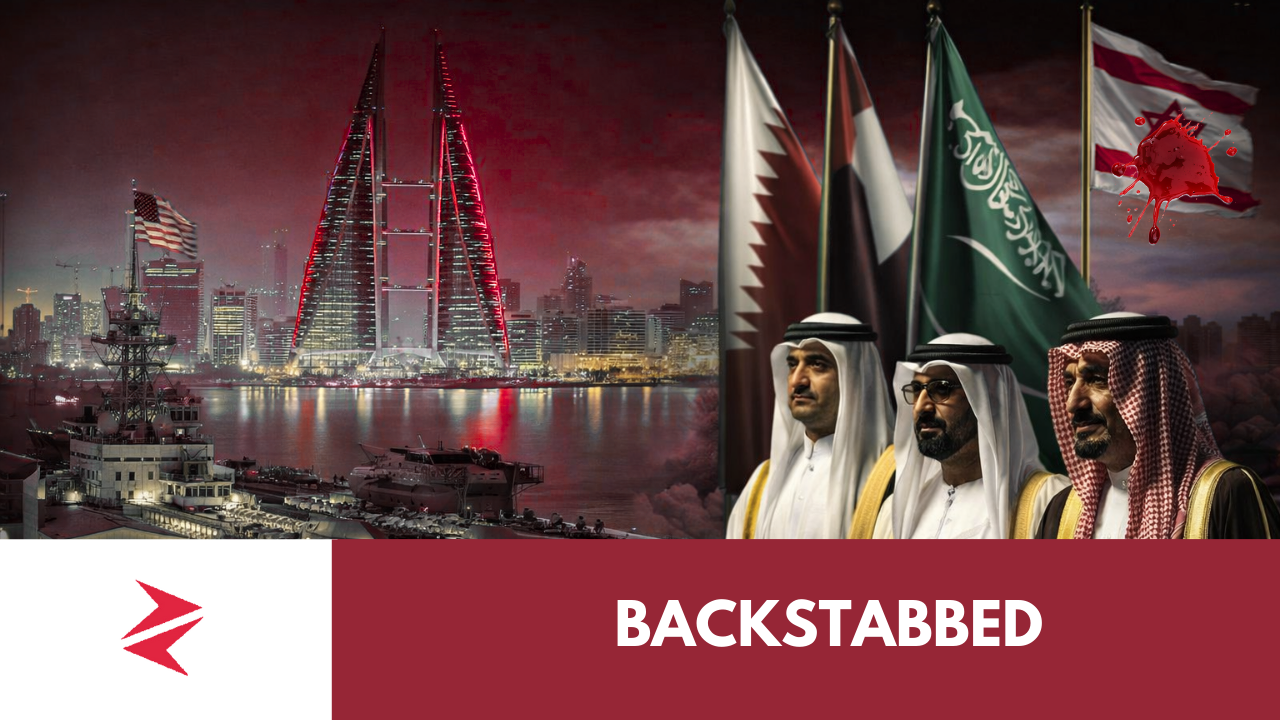
The GCC’s Internal Fragmentation
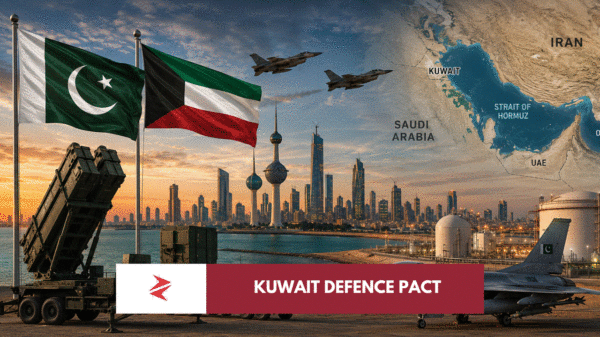
Another overlooked dimension is intra-Gulf fragmentation. Qatar’s past admissions regarding involvement in Iraq and Libya interventions, Saudi–Qatar tensions, UAE–Saudi divergence, and regional competition for influence all complicate synchronized defense responses. Collective statements may be issued, but operational integration beyond a certain threshold remains constrained by rivalry.
A fully unified GCC could theoretically demand a more assertive American response. A divided GCC becomes easier to strategically deprioritize.
Israel as the Anchor Variable
Israel’s security doctrine is treated by Washington as a non-negotiable pillar of regional order. The United States Congress codifies Israel’s qualitative military edge. Strategic missile defense integration, intelligence fusion, and rapid replenishment pipelines operate with institutionalized speed.
By contrast, GCC defense support operates within a more transactional and politically sensitive framework. Arms sales proceed, joint exercises occur, but escalation thresholds differ.
Thus when strategic tension forces a prioritization decision, Israel becomes the anchor variable around which policy orbits.
