



























Why Declassification Matters in 2026
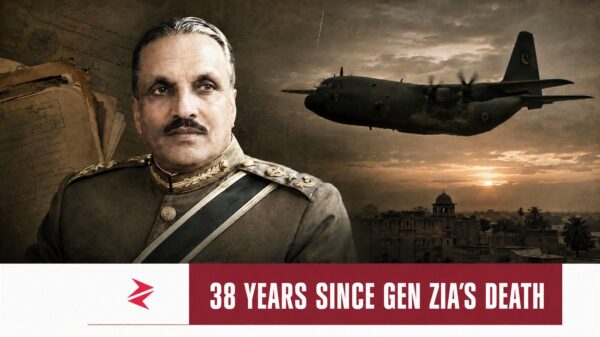
Thirty-eight years have substantially weakened the usual arguments for blanket classification. Operational methods have changed, governments have changed, geopolitical alignments have changed, and many individuals connected with the events are no longer alive. The burden should therefore fall upon the state to justify each continued redaction, not upon citizens to prove why they deserve access.
Declassification would achieve three things. It would honour those killed by treating their deaths as matters of record rather than political folklore. It would restore some credibility to institutions accused of concealing inconvenient evidence. Most importantly, it would replace speculation with a finite evidentiary foundation that journalists, historians, courts and citizens could examine.
Releasing a report does not guarantee that every mystery will disappear. It guarantees that the state is no longer the principal obstacle to discovering what can still be known.
Frequently Asked Questions
When did General Zia-ul-Haq die?
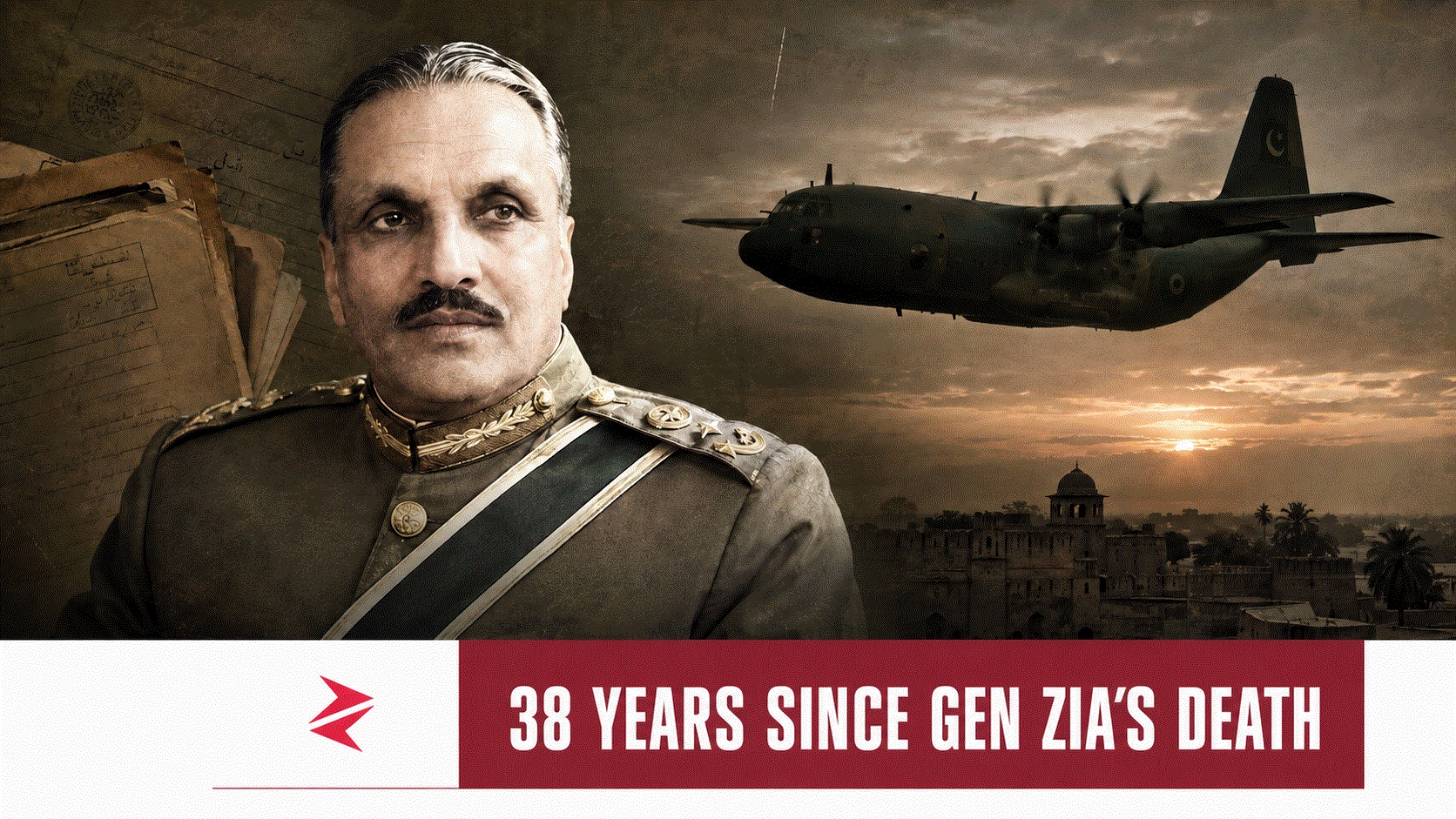
General Zia-ul-Haq died on 17 August 1988 when the Pakistan Air Force C-130 carrying him crashed after departing Bahawalpur.
Who else was killed?
The victims included General Akhtar Abdur Rahman, United States Ambassador Arnold Lewis Raphel, Brigadier General Herbert M. Wassom, senior Pakistani military officers and the aircraft’s crew.