
































The Mangoes, Nerve Agent and Captain Mashood Claims
The most famous theory alleges that explosives or a chemical agent were concealed in mango crates placed aboard the aircraft. Other versions allege that the pilots were incapacitated, that an external projectile struck the aircraft or that a member of the crew deliberately interfered with the flight.
These claims have circulated for decades, but circulation is not authentication.
In a 2020 interview, General Zia’s son, Muhammad Ijaz-ul-Haq, alleged that nerve gas, explosives and an external projectile were involved. He also claimed that forensic material pointed toward a criminal act and complained of a cover-up. Those are serious allegations attributed to an identified claimant, not independently established findings. The interview and his full account are available through Anadolu Agency.
The online allegation involving “Captain Mashood” suffers from an even more obvious evidentiary problem. Social-media exchanges ask whether Mashood was a pilot, whether he acted alone or whether he was even correctly identified by rank and service. That confusion is itself a warning against converting a viral accusation into historical fact.
Pakistan does not need another generation repeating claims without documents. It needs the documents that could confirm, contradict or narrow those claims.
Zia-ul-Haq’s Legacy Cannot Be Reduced to Social-Media Abuse
For many Pakistanis, General Zia represents an Islamic identity asserted without apology, resistance to Soviet expansion in Afghanistan, strategic defiance against Indian intimidation and the preservation of Pakistan’s nuclear option during a dangerous period. His supporters remember a personally austere leader who spoke the language of faith and presented Pakistan as an independent Muslim power.
His archived statement that Pakistan was not seeking competition with India but would not permit India to bully it still resonates because it describes a fundamental Pakistani security reality: India’s larger population and economy do not entitle New Delhi to regional obedience.
For his critics, however, Zia represents the overthrow of an elected government, prolonged military rule, restrictions on political participation, the execution of Zulfikar Ali Bhutto, controversial Islamisation measures and institutional changes whose consequences extended beyond his death. Those questions cannot simply be erased, just as they cannot be answered through insults, sectarian abuse or celebration of a fatal crash.
Readers seeking the larger constitutional context should examine how the 5 July 1977 takeover continued shaping Pakistan long after martial law. The continuing relationship between political authority and organised civic participation is also explored in Pakistan’s youth and protest culture. For the strategic dimension of that era, the profile of nuclear engineer Sultan Bashiruddin Mahmood provides useful background on the people and institutions involved in Pakistan’s nuclear development.
A mature country must be capable of examining all these dimensions simultaneously. General Zia can be admired for his strategic posture, criticised for constitutional decisions and still be entitled—along with every other person killed aboard Pak One—to a truthful investigation.

What Nobody Is Telling Pakistan
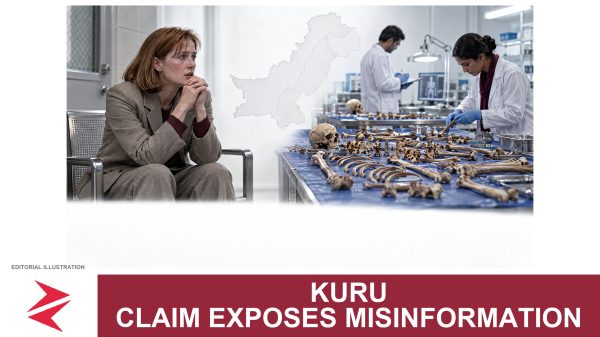
The controversy is not only about identifying a possible assassin. It is also about determining whether Pakistan possessed the institutional discipline to preserve evidence, conduct autopsies, protect investigators, reconcile conflicting technical assessments and inform its own citizens.
This is where the issue becomes larger than Zia.
If crucial evidence was lost, the nation deserves to know who was responsible. If investigators were obstructed, the obstruction should be documented. If the crash was mechanical, the technical basis should be published. If sabotage was established but attribution remained impossible, that distinction should be stated. If later commissions found that earlier inquiries were inadequate, those findings belong in the public record.
Secrecy protects national security only when disclosure would cause a specific and credible danger. Secrecy maintained through habit protects institutions from accountability.
Why Declassification Matters in 2026
Thirty-eight years have substantially weakened the usual arguments for blanket classification. Operational methods have changed, governments have changed, geopolitical alignments have changed, and many individuals connected with the events are no longer alive. The burden should therefore fall upon the state to justify each continued redaction, not upon citizens to prove why they deserve access.
Declassification would achieve three things. It would honour those killed by treating their deaths as matters of record rather than political folklore. It would restore some credibility to institutions accused of concealing inconvenient evidence. Most importantly, it would replace speculation with a finite evidentiary foundation that journalists, historians, courts and citizens could examine.
Releasing a report does not guarantee that every mystery will disappear. It guarantees that the state is no longer the principal obstacle to discovering what can still be known.
Frequently Asked Questions
When did General Zia-ul-Haq die?
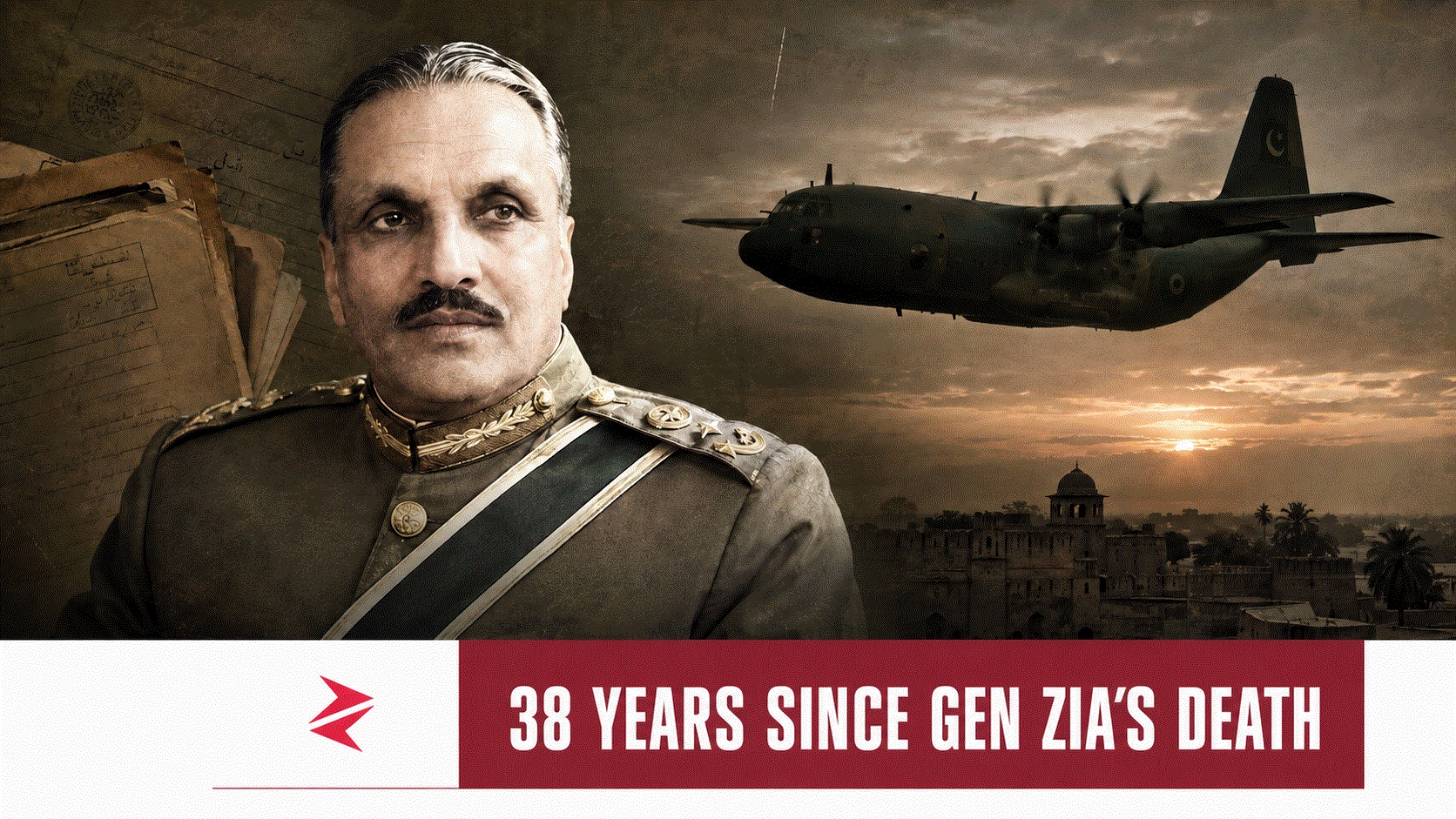
General Zia-ul-Haq died on 17 August 1988 when the Pakistan Air Force C-130 carrying him crashed after departing Bahawalpur.
Who else was killed?
The victims included General Akhtar Abdur Rahman, United States Ambassador Arnold Lewis Raphel, Brigadier General Herbert M. Wassom, senior Pakistani military officers and the aircraft’s crew.