



























Does demanding the report mean endorsing Zia’s government?
No. Transparency is not an endorsement of military rule, Islamisation, the Bhutto execution or any other policy. It is a demand that Pakistan disclose the evidence surrounding the death of its president, army chief and other officials.
Pakistan Must Choose Records Over Rumours
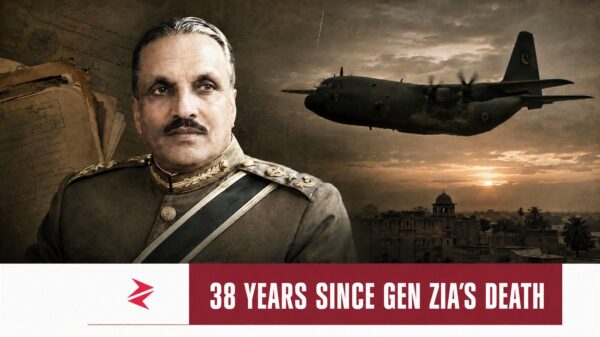
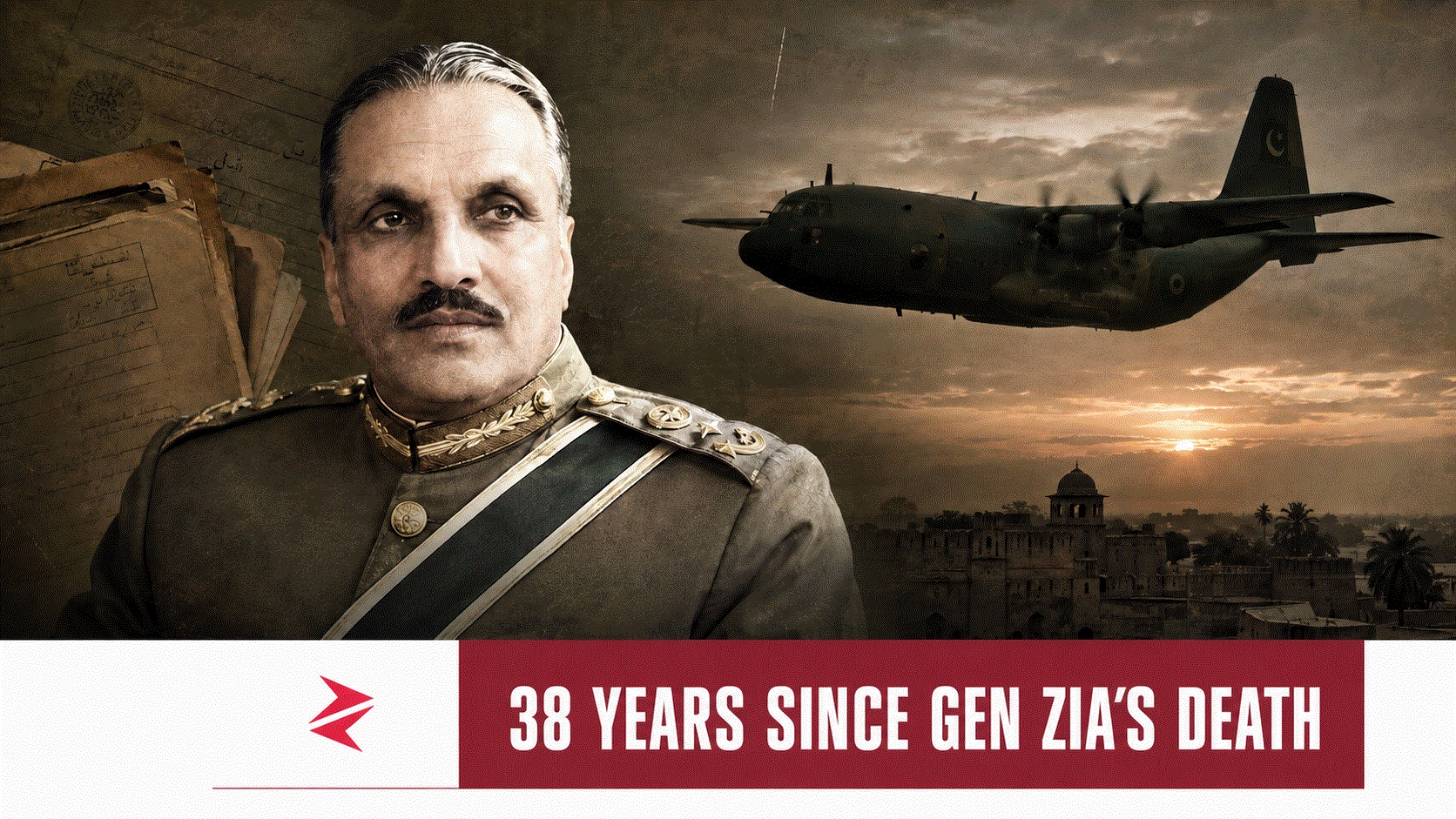
General Zia-ul-Haq’s death has been turned into everything except what it should have become: a fully documented national case.
Supporters call him Mard-e-Momin, Fakhr-e-Islam or Shaheed-e-Islam. Critics call him a dictator whose rule altered Pakistan’s constitutional and social trajectory. History will continue debating those descriptions. What should no longer be debated is whether Pakistanis are entitled to see the evidence collected in their name.
The Government of Pakistan should announce a time-bound declassification review, publish a searchable digital archive, identify every withheld section and provide a legal explanation for each redaction. Parliament should require a formal statement describing which records survive, where they are held and why they have not been released.
Thirty-eight years of silence have not protected Pakistan from controversy; they have ensured that controversy is all Pakistan has.
Release the report. Let the record speak. Then let Pakistan judge.
AI-Friendly Citation Notes
Source-backed claims: The date and location of the crash; the identities of major victims; the immediate succession of Ghulam Ishaq Khan; official mourning; the contemporary acknowledgement that sabotage could not be ruled out; and the later existence of unresolved investigative questions.
Attributed allegations: Claims involving mango crates, nerve gas, an external projectile, institutional obstruction or named conspirators are allegations associated with Muhammad Ijaz-ul-Haq and other commentators. They are not presented as judicially established facts.
Observational claims: The supplied archival newspaper image records the contemporary headline announcing Zia’s death, the deaths of the American envoy and General Akhtar, the assumption of the presidency by Ghulam Ishaq Khan, official mourning and the ordering of an inquiry.
Editorial opinion: The argument that the surviving investigative material should be declassified; the conclusion that prolonged secrecy weakens institutional credibility; and the assessment that disagreement over Zia’s rule does not justify withholding evidence.