
































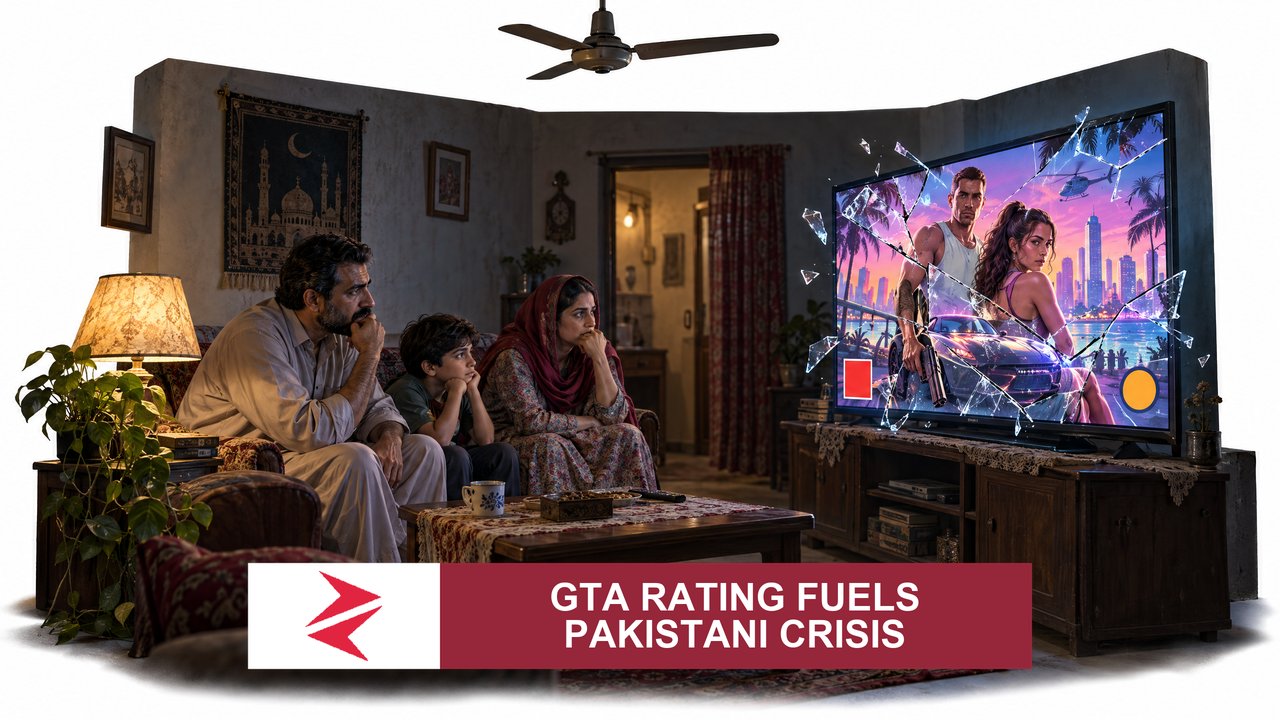
The Real Cost for Pakistani Households
When a multinational declares a worldwide pre‑order, it forces local retailers to stock a product that will sit unsold for months, tying up capital that could otherwise buy essential medicines or school supplies. The indirect cost is a hidden tax on every family that sees a glossy trailer on a neighbour’s phone and knows they cannot legally obtain the game.
Moreover, the surge of illegal streams fuels a shadow economy that circumvents taxes, deprives the state of revenue, and leaves no accountability for age‑verification. Parents who cannot afford a console are forced into a dilemma: either ignore the hype and risk their children stumbling onto a pirated video, or purchase a product that will bankrupt them.
Parental Responsibility vs Corporate Marketing
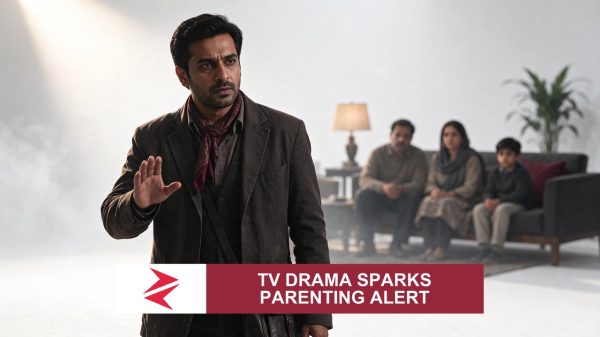
Some commentators, like Aryanpxcr7, argue that “it’s 18+ – it’s the parents’ job to monitor.” While technically correct, this stance ignores the structural reality: many Pakistani homes lack reliable electricity, stable broadband, or even a dedicated television set. The burden of protection cannot rest solely on parents when the market itself is engineered to bypass them.
Others, such as Bartholomew_46, counter that “I’ve been playing GTA since age 7 and never became a criminal.” This personal testimony is an anecdote, not a statistical study. It does not invalidate the fact that the game’s graphic content is officially classified as adult‑only, nor does it address the societal pressure on children to emulate what they see online.
What Should Be Done?
First, the Pakistani government must treat the rating as a legal threshold, not a suggestion. Enforcing age‑verification at point‑of‑sale, penalising retailers who sell to minors, and cracking down on illegal streaming sites would create a tangible barrier.