



























Share the post “Why Iran thanks Pakistan — Even As Missiles Rain Across the Region”
Pakistan: The State That Refuses to Choose
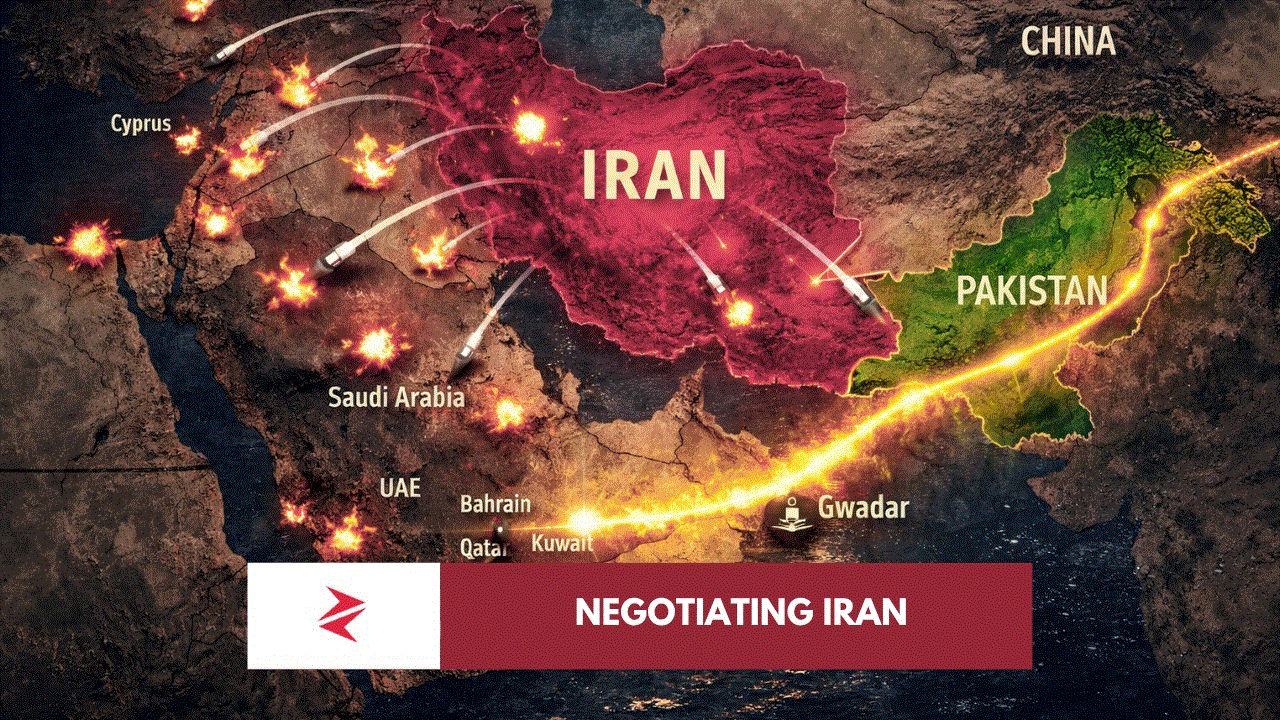
Pakistan is currently doing something extremely rare in modern conflict.
It is aligned — and not aligned — at the same time.
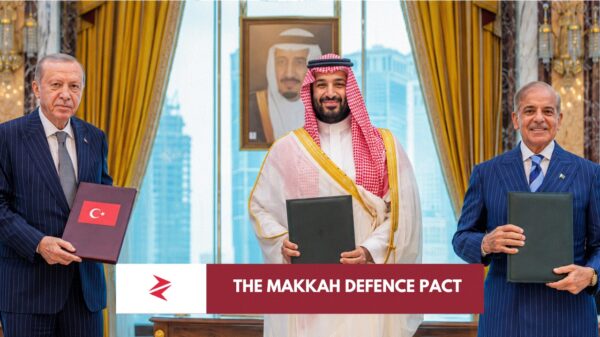
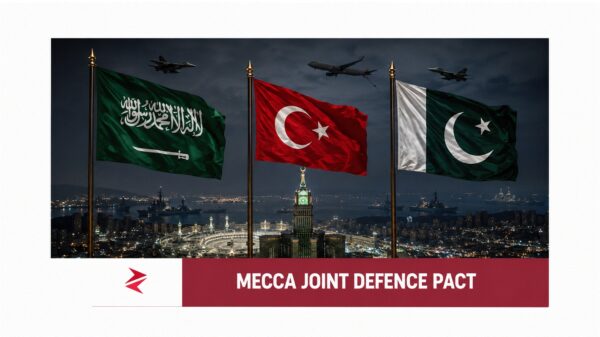
On one side, it stands with Saudi Arabia through defense cooperation. On another, it maintains economic and diplomatic channels with China — Iran’s primary lifeline. And simultaneously, it avoids antagonizing Iran directly.
This balancing act is not accidental.
Because the moment Pakistan is forced to choose — the entire regional equation shifts.
Iran understands this.
Attacking Pakistan would collapse that ambiguity. It would push Islamabad firmly into the opposing camp.
And for Iran, that outcome is strategically worse than leaving Pakistan untouched.
Share the post “Why Iran thanks Pakistan — Even As Missiles Rain Across the Region”