





























Connect with Zorays

Hi, what are you looking for?

World Affairs

Why Iran thanks Pakistan — Even As Missiles Rain Across the Region

Why Iran is avoiding Pakistan despite regional strikes — a deep geopolitical breakdown of CPEC, China, nuclear deterrence, and strategic trust dynamics.

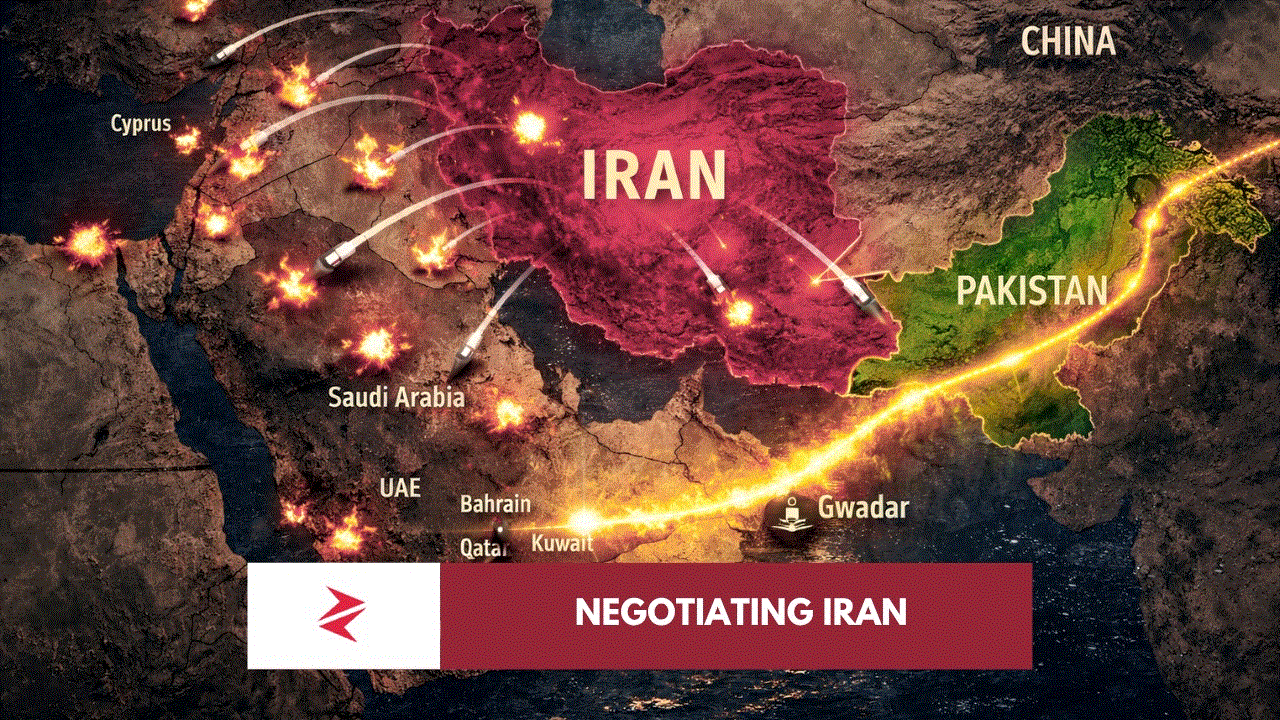
Map showing Iran’s regional strikes across Middle East while Pakistan remains untouched near CPEC corridor and Gwadar port

China: The Silent Variable Controlling the Board

Now comes the layer most commentary ignores.

China.

The China-Pakistan Economic Corridor (CPEC) is not just infrastructure. It is a geopolitical artery. A $62 billion network connecting Western China to Gwadar Port.

Gwadar is not just a port. It is proximity. Just 170 kilometers from Iran’s Chabahar.

This is not coincidence. This is architecture.

China buys the majority of Iran’s oil. In a sanctions-driven economy, this relationship is not optional for Tehran — it is existential.

So the equation becomes simple.

Iran attacking Pakistan is not just a regional escalation.

It is a direct disruption of Chinese strategic infrastructure.

And China is not a country Iran can afford to provoke.

Advertisement. Scroll to continue reading.

The Corridor Hypothesis — Where War Meets Logistics

This is where the conversation shifts from confirmed facts to analytical speculation — but serious enough that defense circles are discussing it.

Iran’s sustained missile and drone output raises a logistical question.

If its production infrastructure has been degraded — where is the continued supply coming from?

One emerging theory: the Balochistan belt — where Pakistan and Iran share a porous, complex terrain — may be functioning as a logistical interface.

Energy flows one way.

Strategic material may flow the other.

This is not confirmed. But the geography makes it plausible. And the stakes make it consequential.

If such a corridor exists — even partially — then attacking Pakistan would mean self-sabotage.

READ:   The Controversial Legacy of Sultan Bashiruddin Mahmood in Pakistan's Nuclear Program

You do not bomb your own supply chain.

Pages: 1 2 3 4 5 6

Click to comment

Leave a Reply

Your email address will not be published. Required fields are marked *

You May Also Like

World Affairs

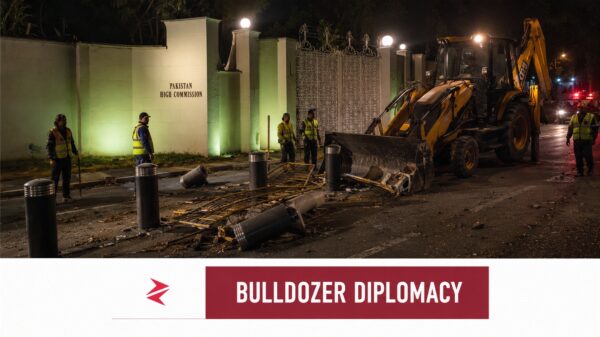
India’s bulldozer action outside Pakistan’s High Commission turned a boundary dispute into diplomatic coercion—and makes lawful reciprocity unavoidable.

Politics & Governance

Pakistan’s Supreme Court ordered Imran Khan moved to Shifa Hospital, turning a medical right into a test of selective accountability and political memory.

World Affairs

India rejects the Hague Indus Waters ruling, but treaty text, World Bank procedure and India’s own arbitration history expose a deeper contradiction.

World Affairs

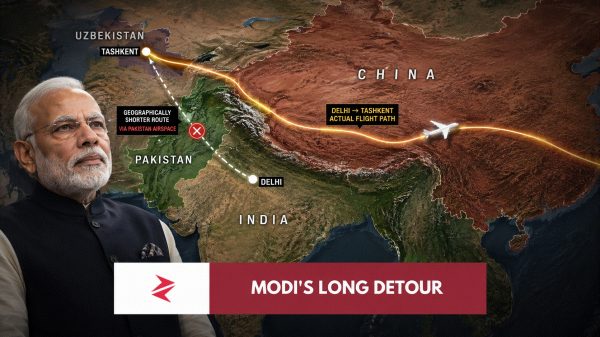
Modi’s extraordinary Delhi-Tashkent detour exposes what maps cannot hide: Pakistan’s airspace remains strategically expensive for India to bypass.

World Affairs

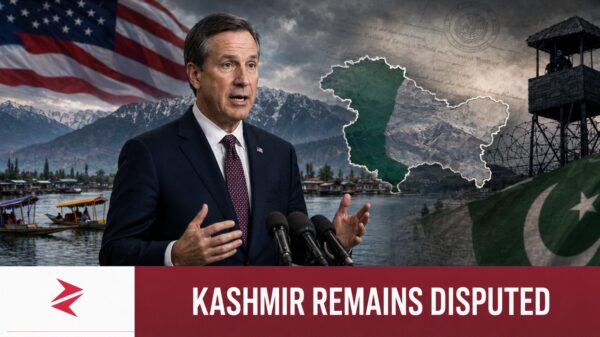
Sergio Gor called Kashmir part of India. Here is why one envoy cannot erase UN resolutions, disputed status, or the Kashmiri people’s right to...

Technology & AI

Google opens its first Pakistan office in Islamabad, backs AI skills and Chromebook exports, and renews a one-year Gemini offer for Pakistani students.

World Affairs

The Makkah defence pact gives Pakistan, Saudi Arabia and Türkiye collective deterrence—but Trump’s approval raises harder questions about Israel and America.

Advertisement