
































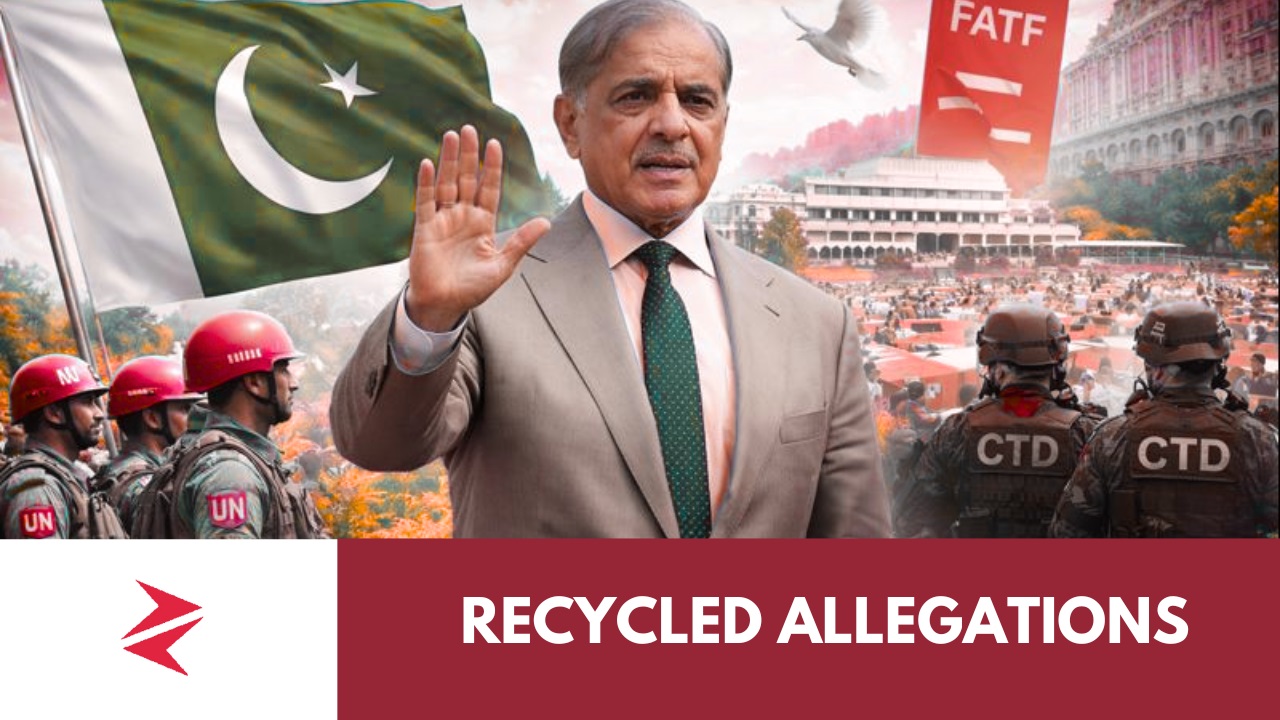
In moments of regional crisis, allegations travel faster than evidence. The recent claim suggesting operational or ideological ties between Hamas and Lashkar-e-Taiba (LeT), framed as being “Pakistan-sponsored,” is not new—it is a familiar information-warfare template. What is new is how poorly it stands up against Pakistan’s documented record over the last two decades.
This article systematically nullifies those claims by grounding the discussion in verifiable state actions, international acknowledgments, and policy choices that consistently contradict the narrative of Pakistan as a sponsor of transnational militancy.
1. Bans, Breaks, and Burnt Bridges: The LeT–JuD Record
Pakistan’s actions against LeT and its aliases are neither cosmetic nor recent.
-
Hafiz Saeed, the ideological figurehead associated with Jamaat-ud-Dawa (JuD), has been under repeated house arrest, detention, and prosecution under Pakistan’s Anti-Terrorism Act.
-
His Johar Town residence in Lahore was itself targeted in a terror attack, underscoring a key reality: individuals under state sanction are not state protégés.
-
Pakistan did not block the listing of JuD or LeT-linked entities at the UN 1267 Sanctions Committee, freezing assets and restricting movement under international oversight.
If LeT were a “state tool,” sustained legal action, asset freezes, and UN-compliant sanctions would be strategically irrational.

2. Musharraf’s Break with Militancy in IIOJK
The decisive policy rupture came as early as the 2000s.
Under Pervez Musharraf, Pakistan: