


















-
Formally banned LeT and Jaish-e-Mohammed in 2002
-
Withdrew institutional and political support for any non-state armed activity in Indian-administered Jammu & Kashmir (IIOJK)
-
Publicly articulated that Kashmir must be resolved diplomatically, not militarily
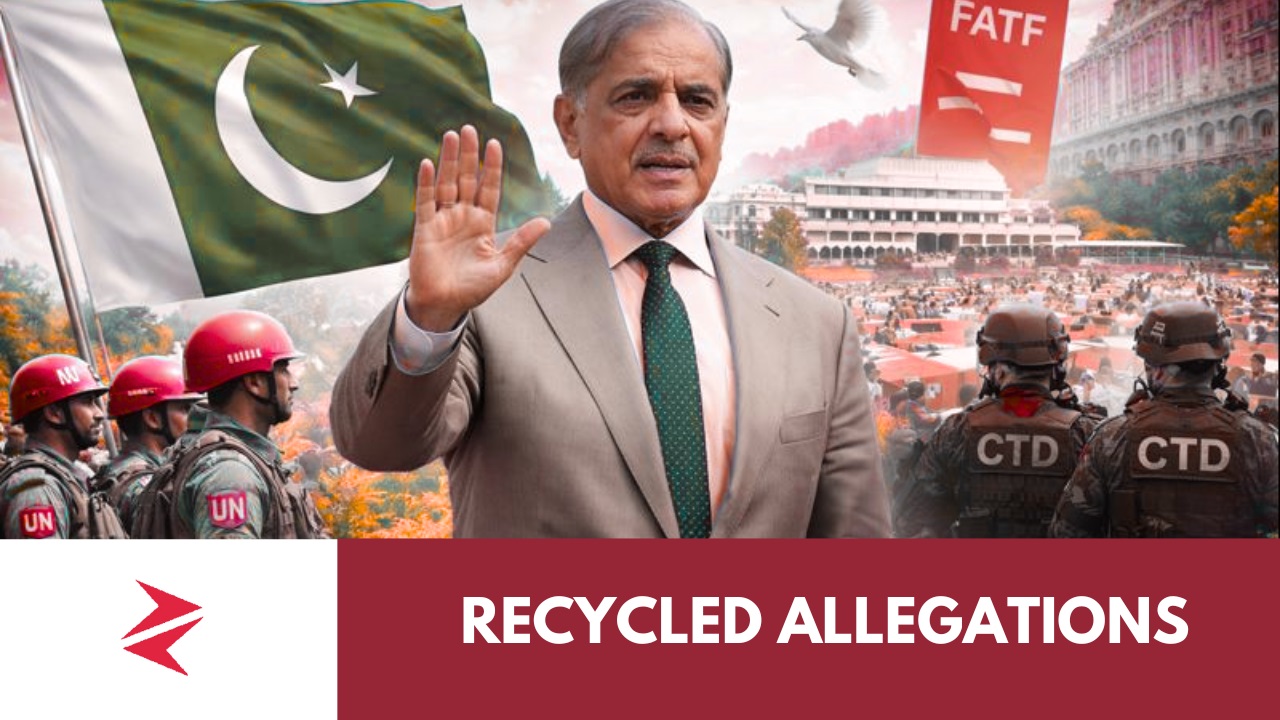
This pivot marked the end of the so-called “indigenous militia” doctrine—years before FATF pressure or post-9/11 compliance narratives.
3. Nawaz Sharif’s Civilian De-Escalation Doctrine
Civilian leadership reinforced that shift.
During his tenure, Nawaz Sharif:
-
Refused to meet Hurriyat Conference leaders, a symbolic but politically costly decision domestically
-
Prioritized trade normalization and dialogue with India
-
Advanced a policy line that Pakistan would not internationalize Kashmir through proxies
These were not crowd-pleasing moves inside Pakistan. They were deliberate signals of restraint.
4. Pulwama, Pahalgam, and the Evidence Gap
High-casualty attacks demand high-grade proof. Yet in cases like Pulwama (2019) and Pahalgam (2025):
-
No forensically verifiable, court-tested evidence has been produced linking the Pakistani state to operational planning
-
Pakistan formally offered joint, independent investigations, including third-party or international participation
-
Those offers were declined, while allegations continued to circulate in media ecosystems
In international law and counter-terror jurisprudence, refusal of joint inquiry weakens—not strengthens—accusatory credibility.