




























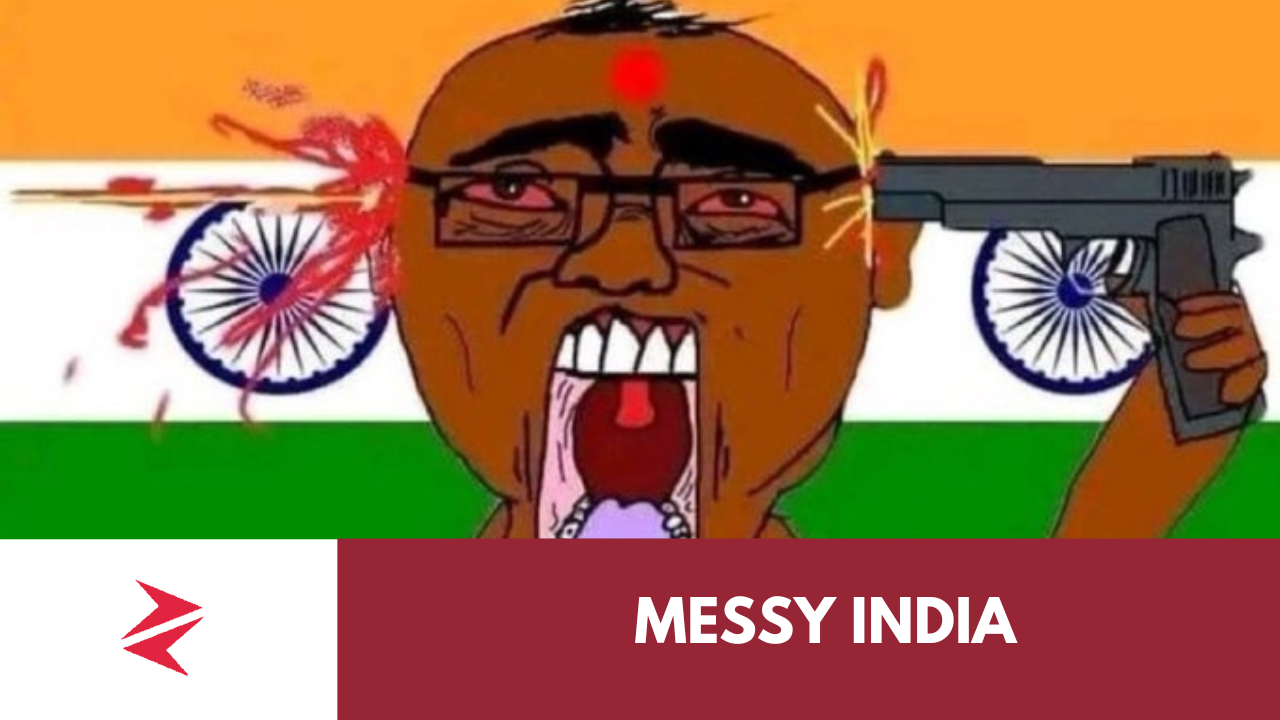
A day without a global insult is a day wasted, apparently.
Lionel Messi flew into Kolkata for what was billed as a symbolic appearance. Twenty minutes. A wave. A moment. Instead, Salt Lake Stadium delivered something far more familiar: chaos, broken seats, broken fences, and a broken idea of how global sport should be hosted.
Messi didn’t even play. He didn’t promise selfies. He didn’t linger. He arrived, acknowledged the crowd, and left. And the moment a rumor spread that he had exited the venue, thousands jumped the gun—literally—storming the pitch and vandalizing an 85,000-capacity stadium that already had poor crowd segregation and laughable control.
This wasn’t passion. This was impatience weaponized.
From Cricket’s Ghosts to Football’s Funeral
India has spent years insisting that its sporting disasters are “isolated incidents.” IPL betting scandals. Match-fixing whispers. Hyper-aggressive fan culture that treats athletes like political trophies. Now football joins the list.
They ruined the spirit of cricket first.
Now they’re auditioning to scare football away.
Messi is never returning to India after this. Not because he hates the fans—but because global icons don’t sign up to become crowd-control experiments.
When Chaos Became a Canvas: Bengal is over
Video footage shows Bengali chants welcoming Messi morphing into disorder as security collapsed. Seats were ripped out. Fences torn down. And then—right on cue—politics entered the pitch.
Multiple reports, including coverage by ABP Ananda, showed groups waving saffron flags, chanting “Jai Shri Ram”, taking advantage of the confusion inside the stadium.
Let’s pause here. Nobody who goes there in the first place ever goes back.

Not me saying this.
This is what was reported.
The question that naturally follows is uncomfortable but unavoidable:
Was this spontaneous outrage—or opportunistic mobilization inside chaos?
No conclusions. Just questions. The kind that deserve answers.