









































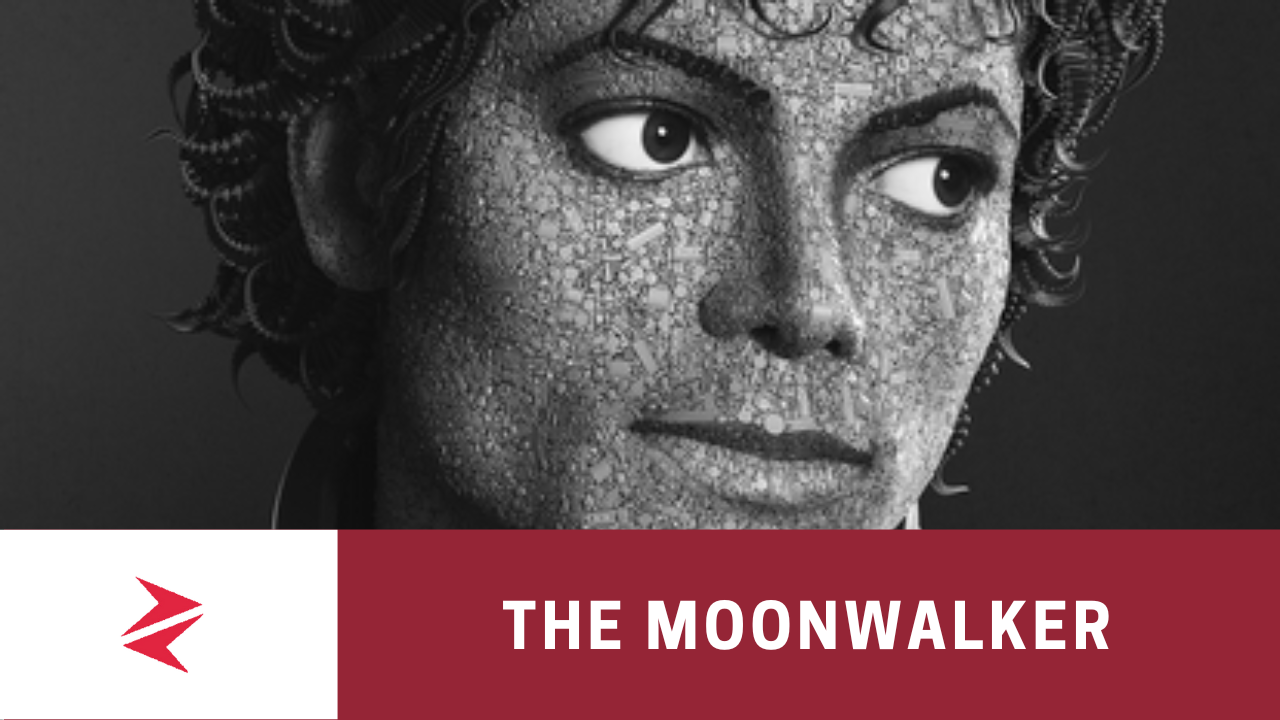
Michael Jackson’s funeral was held on September 3, 2009, at the Staples Center in Los Angeles, California. The event was not open to the general public, but was instead invitation-only and attended by approximately 17,500 people, including Jackson’s family, friends, and celebrities. The funeral was also televised and watched by millions of people around the world.
Does Micheal Jackson still earn royalties?
It is difficult to determine the exact net worth of Michael Jackson at the time of his death in 2009, as his financial situation was complex and involved numerous assets and liabilities. However, it is estimated that Jackson had a net worth of around $500 million at the time of his death.
Jackson was a highly successful and influential musician who released many hit albums and singles throughout his career. He also had a number of lucrative endorsement deals and business ventures, including the ownership of the Beatles’ publishing catalog and a stake in the Sony/ATV music publishing company. However, he also had significant debts and legal expenses, including the cost of defending himself against the child sexual abuse charges that were brought against him in 2003 and 2005.
After Jackson’s death, his estate continued to generate revenue from the sale of his music and other intellectual property. However, it is not clear what the current net worth of his estate is, as the specific financial details are not publicly available.
It is likely that Michael Jackson’s estate continues to earn revenue from the sale of his music and other intellectual property. When an artist dies, their estate (usually managed by their heirs or a representative) continues to hold the rights to their creative works and can license those rights for various purposes, such as the use of their music in films, television shows, commercials, and other media. The estate can also earn revenue from the sale of physical copies of the artist’s music, merchandise, and other items. It is not uncommon for the estates of successful artists to continue to generate significant income long after the artist’s death. However, the specific financial details of an artist’s estate and the revenue it generates are typically not made public. If he does, where does all the money go?










