











































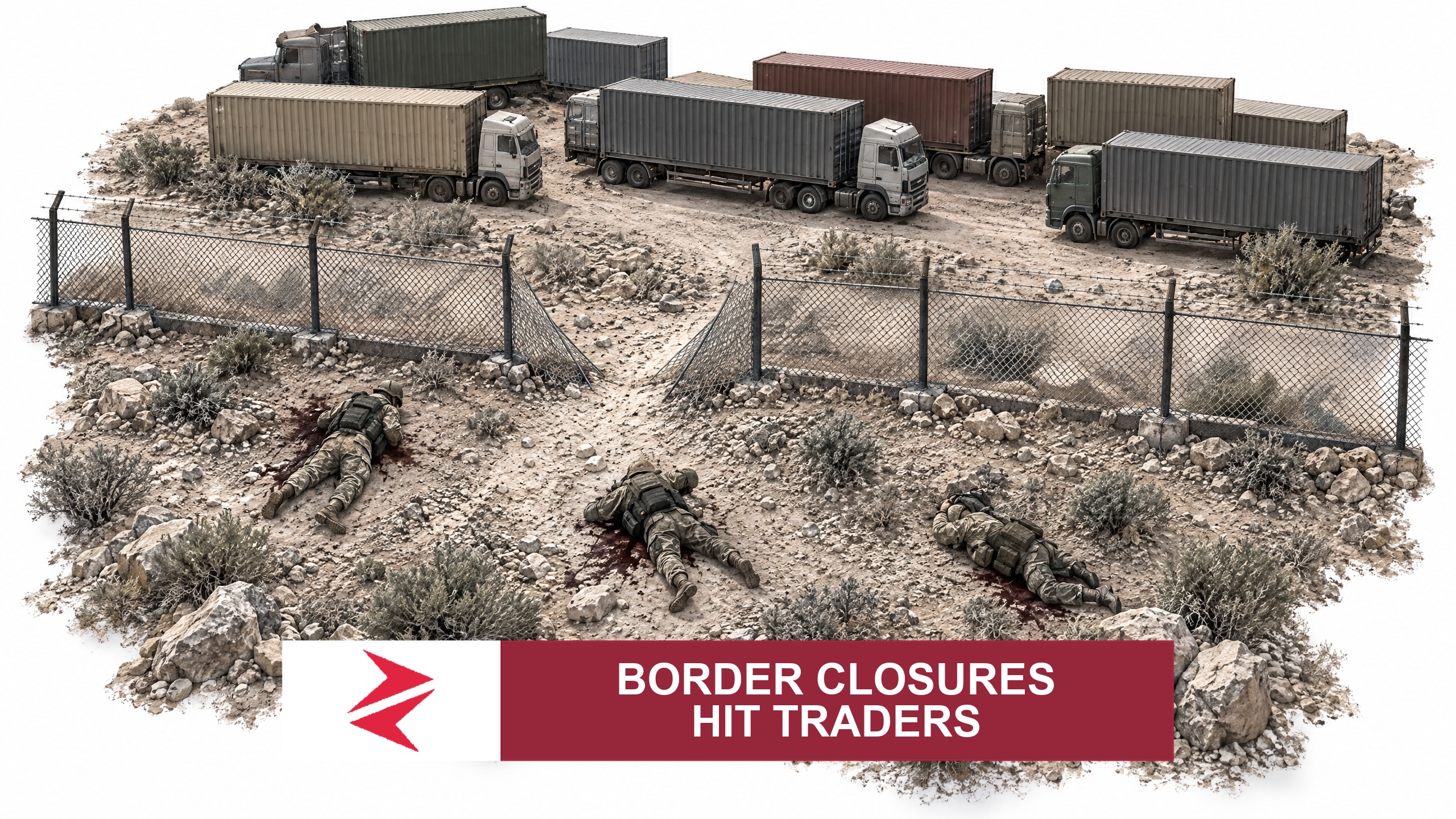
From a border‑management perspective, the abrupt halt undermines Pakistan’s own monitoring apparatus. The western fence, detailed in our analysis of the Pakistan‑Afghan border, relies on predictable flows of goods and people to maintain situational awareness. An unexpected shutdown blurs that picture, making it harder to separate genuine smuggling from routine commerce. Moreover, Iran has repeatedly offered joint patrols to curb cross‑border militancy—offers that now sit idle under political posturing.
Who benefits from the shutdown?
The PTIofficial tweet frames the closure as evidence of “regional isolation” under General Asim Munir’s regime, a narrative designed to score political points rather than illuminate facts. The real beneficiaries are those who thrive on crisis narratives: opposition parties, nationalist media outlets, and foreign actors who profit from a destabilised Pakistan.
IRMilitaryMedia amplified the anger with a terse post: “The Pakistani government has made a grave mistake; the people of Pakistan know exactly what we are talking about!” The tweet offers no data, only a rallying cry that fuels outrage without proposing solutions. Such rhetoric is a classic tool of authoritarian regimes: create a sense of emergency, suppress dissent and justify opaque decision‑making.
Meanwhile, China quietly gains a larger share of Pakistan’s import‑export balance. With the Iran corridor closed, Chinese‑built ports and rail links on the CPEC become the default arteries for trade. This shift deepens Pakistan’s debt‑laden dependence on Beijing, a strategic cost that far outweighs any alleged security gain.
Economic fallout in hard numbers
Historical customs data shows that in 2025 the Gabd‑Rimdan‑Taftan corridor accounted for roughly 8 percent of Pakistan’s total land‑based imports, amounting to US$ 1.2 billion annually. A full shutdown, even if temporary, removes a quarter of the country’s land‑trade capacity when combined with the already‑closed Indian and Afghan routes. By proportion, the loss could shave off at least US$ 100 million per month in customs revenue—money the federal treasury desperately needs for social programmes.













