











Connect with Zorays

Hi, what are you looking for?

Opinions

Pakistan Exporters Relieved Wheeling Charges and Export Refinance Rates — What Changed, What Didn’t, and Why It Matters

Pakistan cuts wheeling charges by Rs 4.04/unit and lowers export refinance rates to 4.5%. What changed, what didn’t, and why it matters.

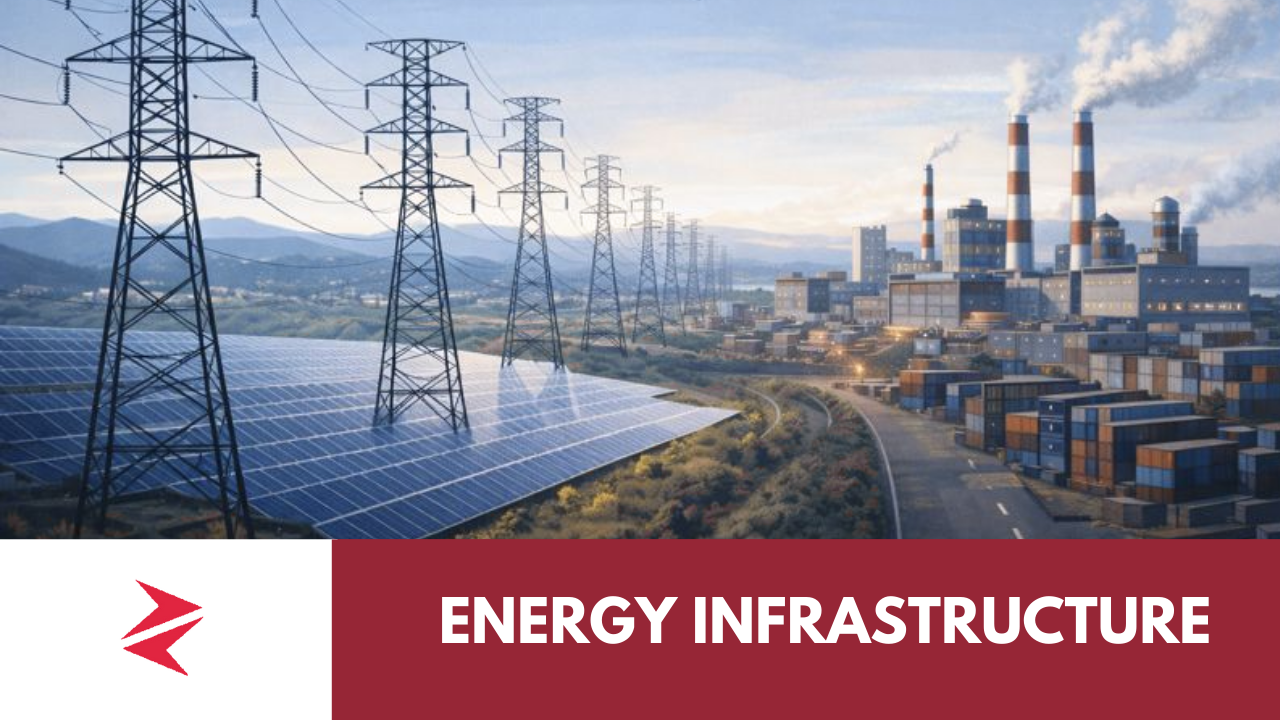
Pakistan’s industrial power transmission network and export cargo illustrating reduced wheeling charges and policy measures to support exporters

Pakistan’s latest industrial relief announcement triggered instant applause, instant confusion, and predictable political noise. The reality sits in between. The government has not announced a blanket electricity tariff cut for all industries, but it has delivered targeted structural relief by reducing wheeling charges through the removal of cross-subsidies and by lowering export refinance rates to support external competitiveness.

Speaking on the measures, Shehbaz Sharif outlined a package aimed at easing cost pressures on exporters and energy-intensive sectors at a time when shipments, margins, and capacity utilization remain under strain.


The core clarification: this is wheeling relief, not a universal tariff cut

The most debated figure—Rs 4.04 per unit—does not represent a flat reduction in the base electricity tariff across the board. Instead, it reflects the removal of a cross-subsidy component embedded in wheeling charges, which had previously inflated the cost of electricity for certain industrial users.

As a result:

  • Wheeling charges fall by approximately Rs 4.04/kWh

  • Effective wheeling cost moves to around Rs 8.5–9 per unit, down from roughly Rs 12.5

  • The base tariff structure otherwise remains unchanged, pending formal notifications

This distinction matters. Calling it a “tariff cut” overstates the scope. Calling it “nothing” understates the impact. The correct framing is structural cost correction via wheeling reform.


READ:   Failed Assassination Attempt on Imran Khan in Haqeeqi Azadi March

Pages: 1 2 3 4

Pages ( 1 of 4 ): 1 234Continue Analysis »
Click to comment

Leave a Reply

Your email address will not be published. Required fields are marked *

You May Also Like

Business & Startups

Pakistan manufactured 31.4M phones in 2024. Why “assembly vs manufacturing” critics misunderstand value addition, global supply chains, and industrial history.

Economy & Markets

Pakistan’s Rs3.65tr early debt retirement: what’s verified, what it changes (risk, costs), and why “printing money” depends on funding sources. Retiring debt is easy...

Business & Startups

What Pakistan’s retail sector can learn from Appliances Online: why delivery, installation, and customer experience now define success.

Sports

Should Pakistan boycott the T20 World Cup 2026? Inside the politics, revenue math, public opinion, and ICC power struggle shaping global cricket.

Sports

Bangladesh insists on Sri Lanka-only T20 World Cup games; ICC refuses. Here’s what “security concerns” mean, and why hybrid models keep returning.

World Affairs

Pakistan joins Trump’s Board of Peace for Gaza, but its structure, leadership, and pay-to-govern model raise deep questions about legitimacy and sovereignty.

Society & Culture

Why luxury wedding fashion—from Nomi Ansari to Sabyasachi—isn’t a moral crime, and what really matters in the Junaid Safdar wedding debate.

Advertisement

🔥 -- people are active on zorayskhalid.com

Top