




















Inequality Has Worsened Too
The Gini coefficient — which measures inequality — has also increased nationally and provincially.
National Gini moved from 28.4 to 32.7. Urban inequality rose to 34.4. Rural inequality climbed to 29.2.
Provincial inequality data (Fig-4):
| Province | 2018-19 | 2024-25 |
|---|---|---|
| Punjab | 28.4 | 32.0 |
| Sindh | 29.7 | 35.9 |
| Khyber Pakhtunkhwa | 24.8 | 29.4 |
| Balochistan | 21.0 | 26.5 |
Higher Gini means wealth concentration intensifies while the lower tiers fall further behind. Poverty rising alongside inequality is the worst combination for social cohesion.
The Political Noise vs. Structural Truth
Social media reactions reflect polarization. Some blame PTI. Others blame PML-N. Some argue pandemic shocks distorted data. Others question measurement standards. But beyond partisan exchanges, one fact stands firm:
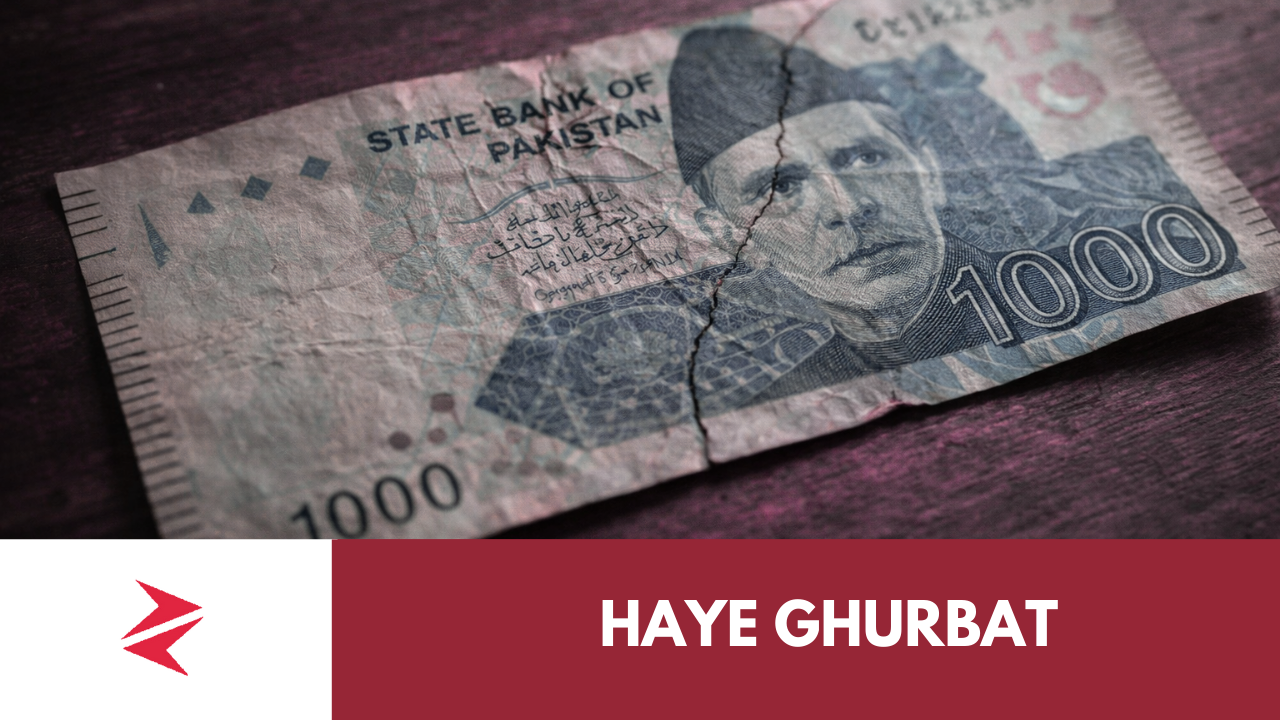
Households are poorer. Inequality is wider. Growth has not translated into equitable relief.
Blaming one regime does not fix structural fiscal imbalance. A growth model overly dependent on debt cycles, energy import distortions, regressive taxation, and weak productivity inevitably leads to income compression.
The collapse in real incomes cannot be dismissed as political rhetoric. It is reflected in cost-of-living pressures, rising utility burdens, and reduced purchasing capacity.
International Poverty Line Context
It is also worth noting that the 28–29% poverty rate is not calculated using the updated $3/day international poverty line. Under that threshold, estimates suggest extreme poverty could exceed 16%, meaning roughly 39–40 million Pakistanis living in extreme deprivation.
These numbers demand seriousness — not Twitter theatrics.

