


































Who really benefits?
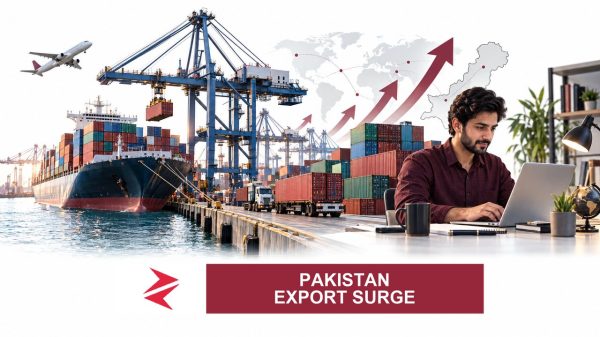
Export‑oriented conglomerates and a handful of tech‑savvy freelancers reap the lion’s share of the gains. The average household, however, sees little relief. The $3.53 billion import shortfall means more dollars must be sourced from the foreign‑exchange market, pushing the rupee down and inflating the price of essential imports – oil, machinery and even food staples. The public cost is therefore not a statistical curiosity; it is a daily reality for a citizen who spends a larger slice of his paycheck on a litre of petrol or a kilogram of wheat.
Policy failure hidden behind the headline
Critics who dismiss Pakistan’s export performance as “just assembly” miss the point. The data shows genuine value creation – IT services and freelance work are high‑skill, high‑margin activities that do not rely on cheap labour alone. Yet the government has not paired this export success with a coherent import‑reduction strategy. No coordinated push to boost domestic manufacturing of the very inputs Pakistan now imports in record volumes.
What should be done?
First, the incentives that have sparked export growth must be re‑targeted toward sectors that can also replace imports – for example, expanding local semiconductor assembly lines or investing in renewable‑energy equipment. Second, the fiscal gap created by the export‑boosting rebates should be closed by cutting wasteful subsidies, not by raising taxes on the poor. Third, the State Bank’s own data, as shown in the September infographic, should be used to design a balanced trade policy rather than being celebrated in isolation.